

Three years ago, a centre against sexual assault received a referral for a 65-year-old woman in a care home.
"She'd been sexually assaulted and the narrative around it was 'she has dementia, therefore she won't remember'," South East Centre Against Sexual Assault manager Amanda Parkinson told AAP.
"And 'your service won't service her anyway because we can't get her to the centre'.
"That sent me down a spiral."
She delved into the data, realised there was a lack of services for older people who experience sexual assault and family violence, and began building one.

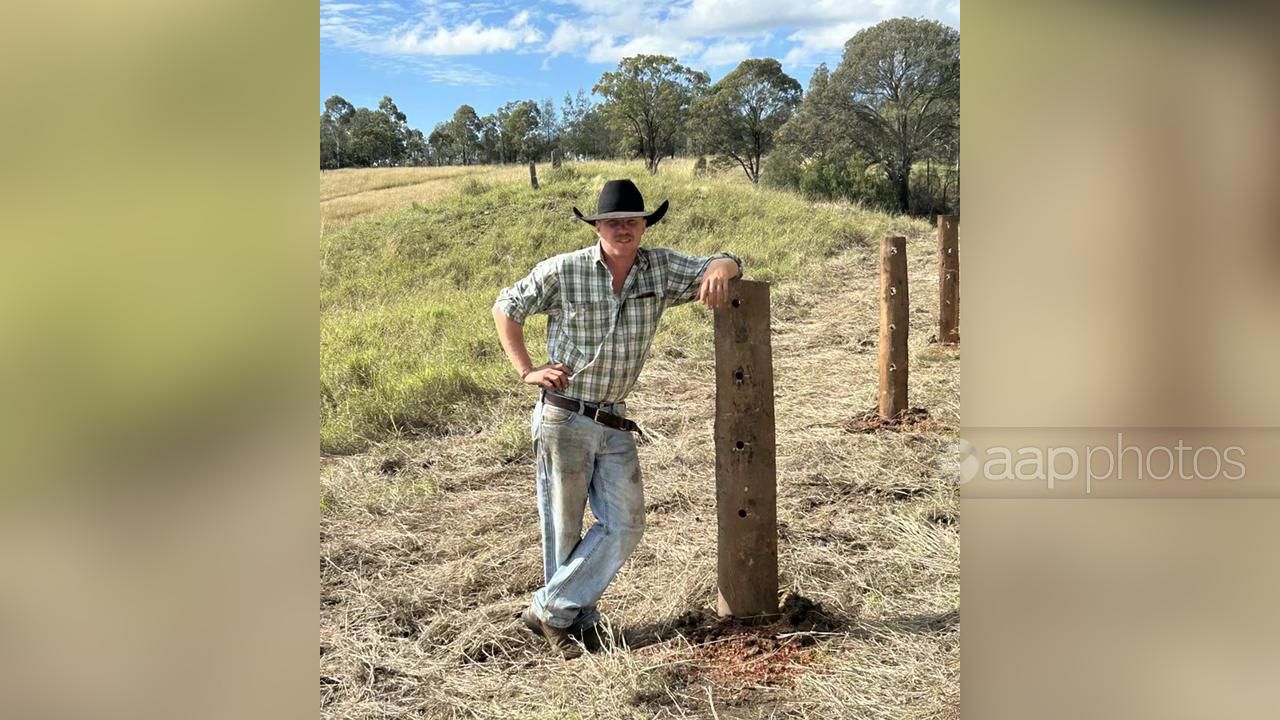
Amanda Parkinson had Centre Against Sexual Assault clinicians trained in therapies for over-65s. (PR IMAGE PHOTO)
Ms Parkinson employed a clinical lead to change practice, trained clinicians in therapies for over-65s, and now offers outreach to bring support to older Australians.
"As far as I'm aware, we're the only CASA (Centre Against Sexual Assault) that's doing this," she said.
"We have seen a slight increase in referrals, we're seeing that the outreach model works.
"We know that the older populations are rapidly increasing, elder abuse is going to rapidly increase with it, and we just have to do something about it."
One in six older people experienced abuse in the past year, according to the Australian Institute of Health and Welfare.
Normalisation of violence among older women may be hindering them from seeking help, new research from Monash University has found.
"A significant finding was that many older adult clients, especially women, had histories or 'lifetimes' of experiencing DFV (domestic and family violence) often starting with intimate partner violence that extended to abuse by adult children or grandchildren," the report, released on Friday, said.
"Overwhelmingly, family members were identified as perpetrators, most often adult children followed by grandchildren and intimate partners."
People living in rural and remote communities are particularly vulnerable.

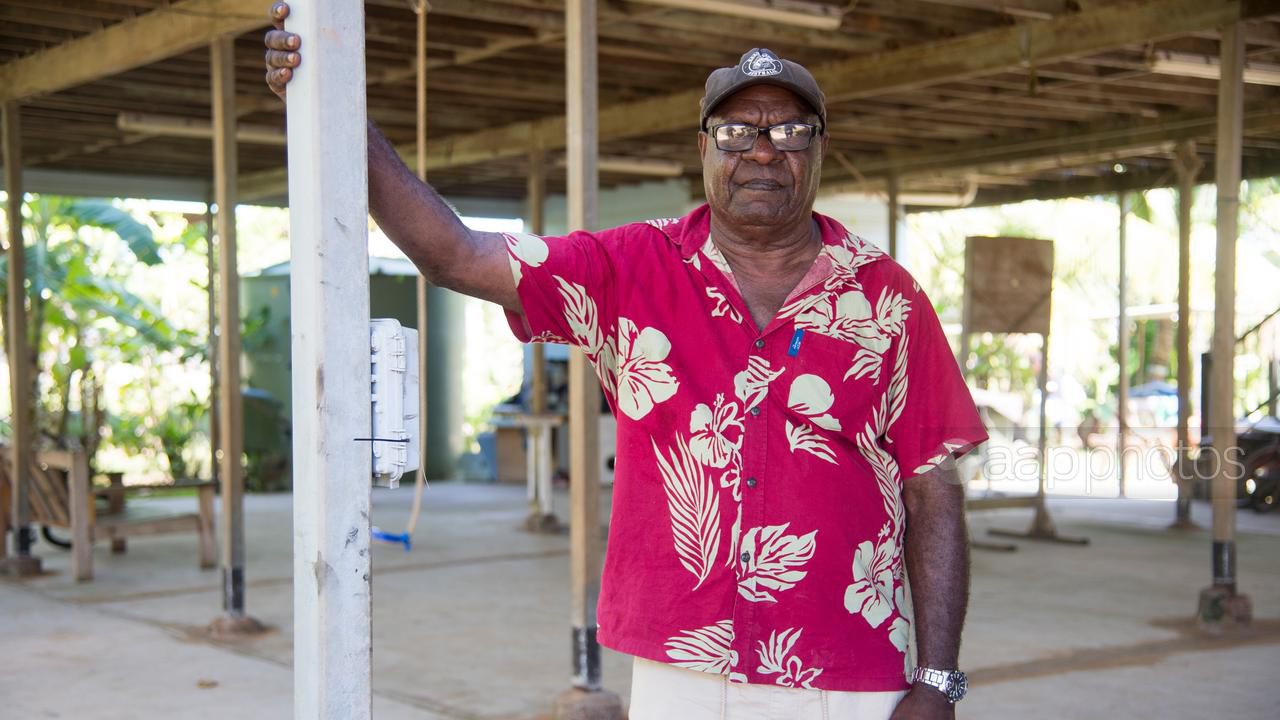
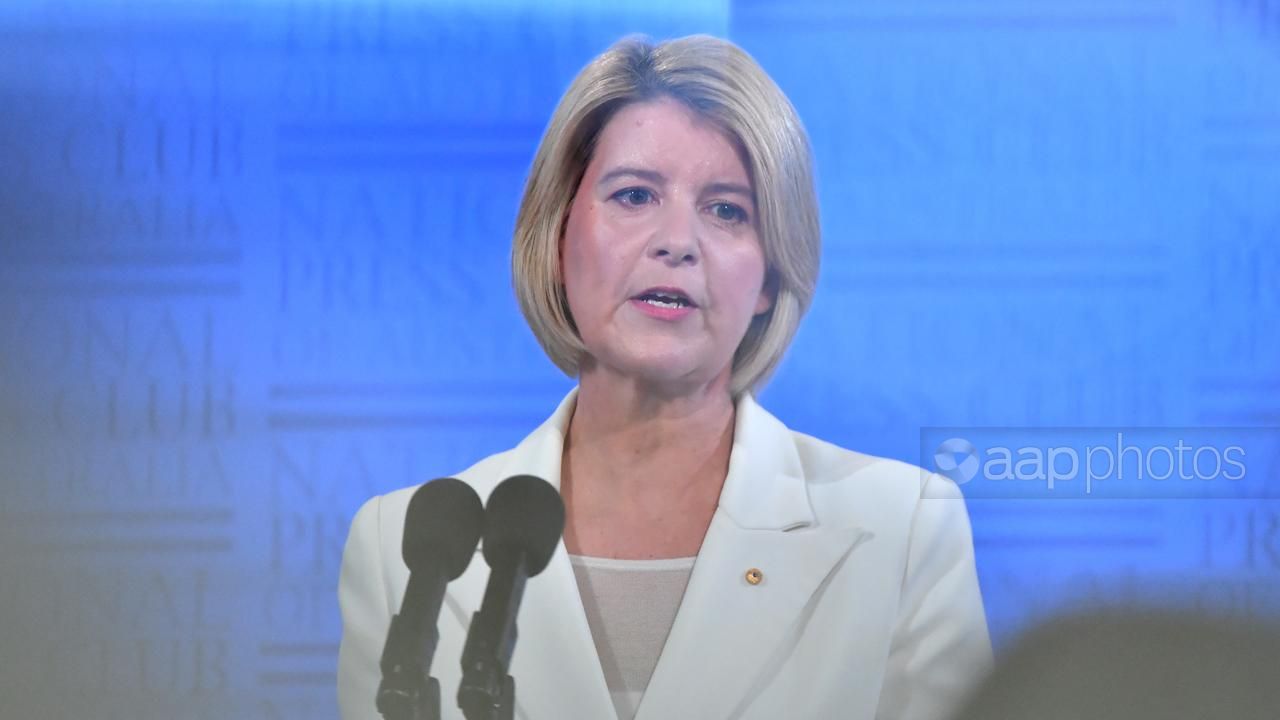
Specialist support services are often lacking for older people in remote areas, Naomi Pfitzner says. (PR IMAGE PHOTO)
Shame and stigma in these communities, fear of consequences for perpetrators, a desire to maintain family relationships and limited access to transport or services were identified as key barriers to seeking help by the study, which focused on elder abuse in regional, rural and remote parts of Australia.
"Geographic and social isolation often can increase vulnerability," co-author Naomi Pfitzner said.
"There are often not dedicated specialist support services, particularly in smaller rural and remote towns, and we heard often that older adults and their advocates were travelling for several hours to access support."
Financial abuse was the most common, which Dr Pfitzner said was likely caused by cost pressures forcing children and grandchildren to move in with older relatives.
"Financial abuse often went hand in hand with psychological abuse," she said.
"Perpetrators were often intentionally making older adults doubt their mental state or capacity, with the goal of being able to gain control over their finances."
Sexual abuse was noted as occurring, but not commonly reported to services by older people due to client discomfort with disclosing it.
Dr Pfitzner said there was no uniform definition of elder abuse across Australia, which made it more difficult to recognise and report.
More support should be integrated into trusted local organisations, like health services, local libraries or banks, as they are regularly used by older adults, she said.
SOURCE/AUTHOR : AAP NEWS/Emily Woods in Melbourne
Venues





















































































































Comments (0)
No comments yet. Be the first to comment!
Leave a Comment