

Meir Simcha agreed to talk, but he wanted to do it somewhere special, because for him, this is a special time. In a place where nation, religion and war are linked inextricably with politics and the possession of land, Simcha chose a patch of shade under a fig tree next to a spring of fresh water.
From his dusty car, a small Toyota fitted with off road tyres, he produced a bottle of juice made from fruit and vegetables.
"Don't worry, there's no extra sugar," he said as he poured it into plastic cups.
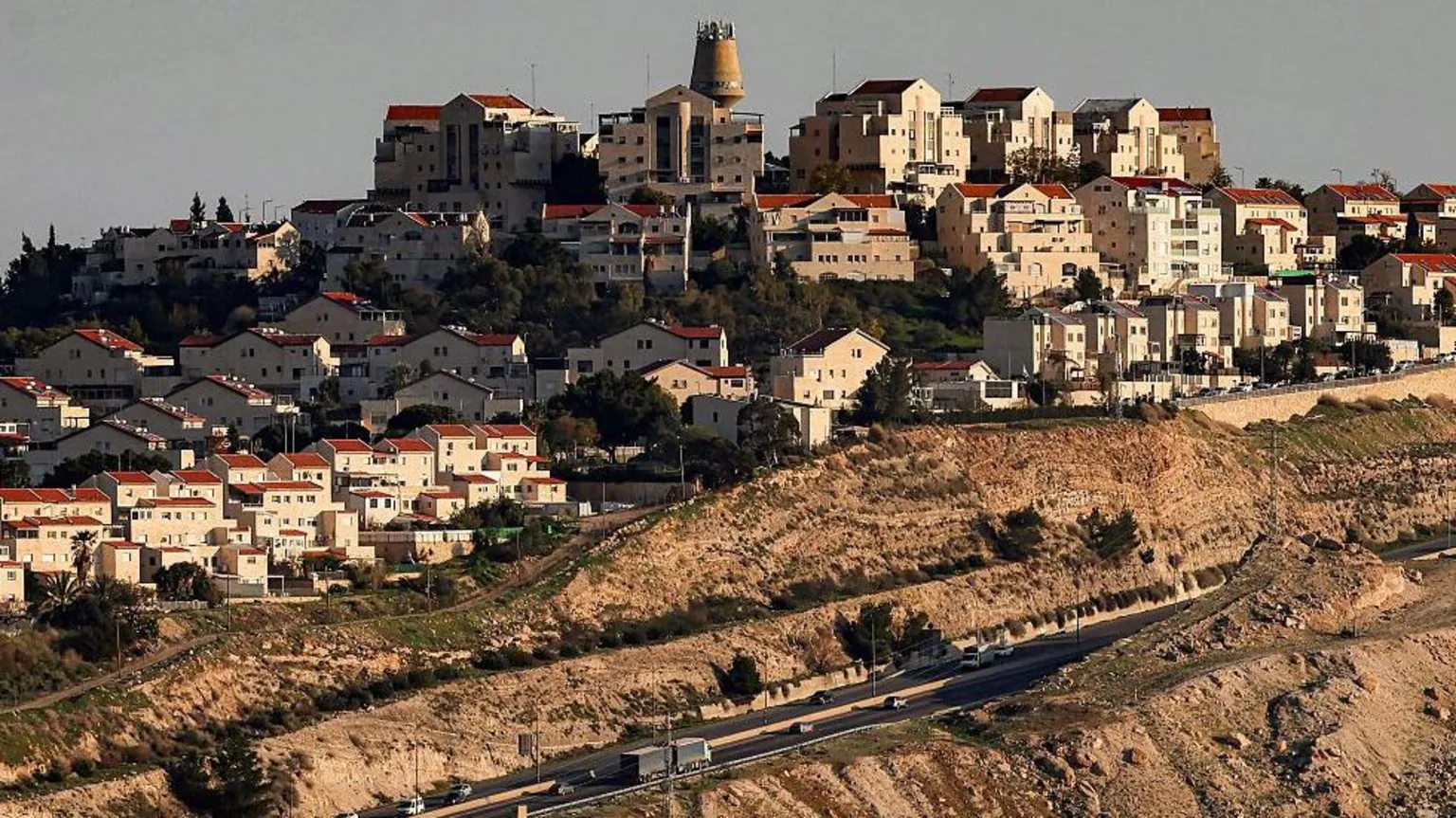
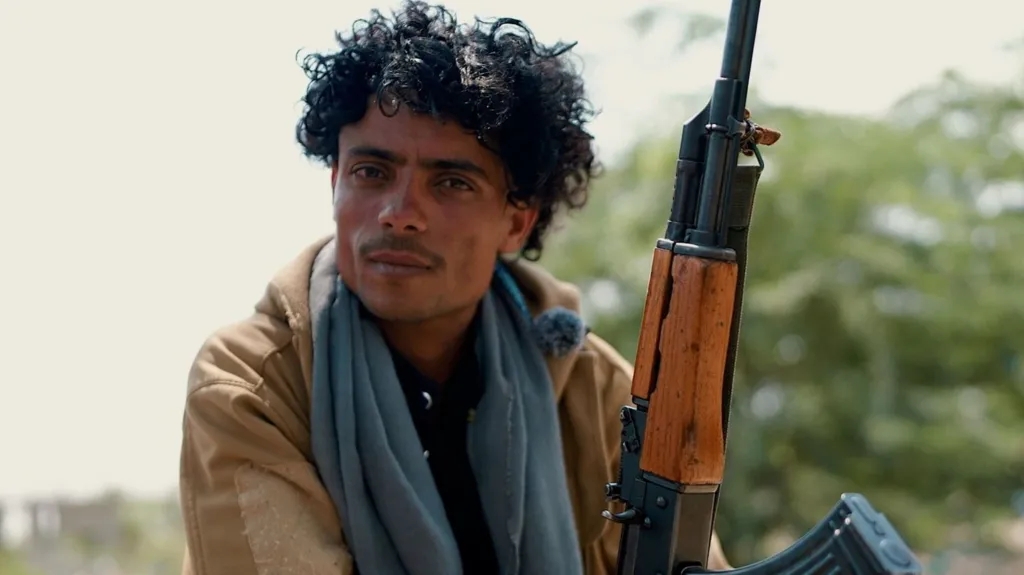
Simcha is the leader of a group of Jewish settlers steadily transforming a big stretch of the rolling terrain south of Hebron in the West Bank, which Israel has occupied since it was captured in the 1967 Middle East war.
He moved two large flat stones into the shade as seats, and we sat down in a patch of lush grass, kept alive in the harsh summer heat by water dripping from a pipe coming out of the spring. It was a small oasis at the foot of a steep, arid, rocky slope and the location, if not our conversation, felt peaceful in a way that the West Bank rarely does these days.
The conflict between Arabs and Jews for control of the land between the River Jordan and the Mediterranean Sea started well over a century ago when Zionists from Europe began to buy land to set up communities in Palestine.
It has been shaped by significant turning points.
The latest has come from the deadly 7 October 2023 attacks by Hamas and Israel's devastating response.
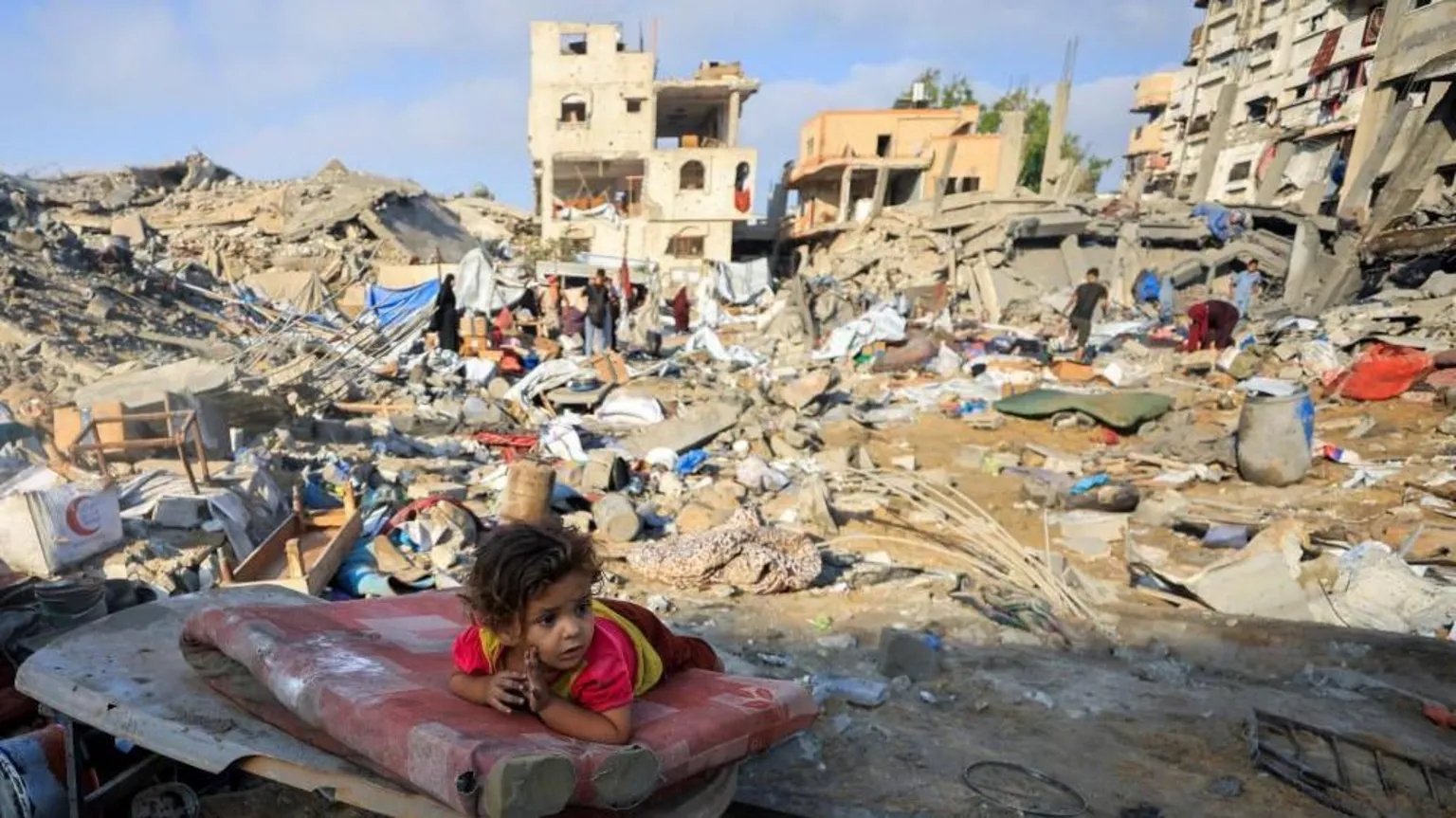
The consequences of the last 22 months of war, and however more months are left before a ceasefire, threaten to spread across years and generations, just like the Middle East war in 1967, when Israel captured Gaza from Egypt and East Jerusalem and the West Bank from Jordan.
The scale of destruction and killing in the Gaza war obscures what is happening in the West Bank, which smoulders with tension and violence.
Since October 2023, Israel's pressure on West Bank Palestinians has increased sharply, justified as legitimate security measures.
Evidence based on statements by ministers, influential local leaders like Simcha and accounts by witnesses on the ground reveal that the pressure is part of a wider agenda, to accelerate the spread of Jewish settlements in the occupied territories and to extinguish any lingering hopes of an independent Palestinian state alongside Israel.
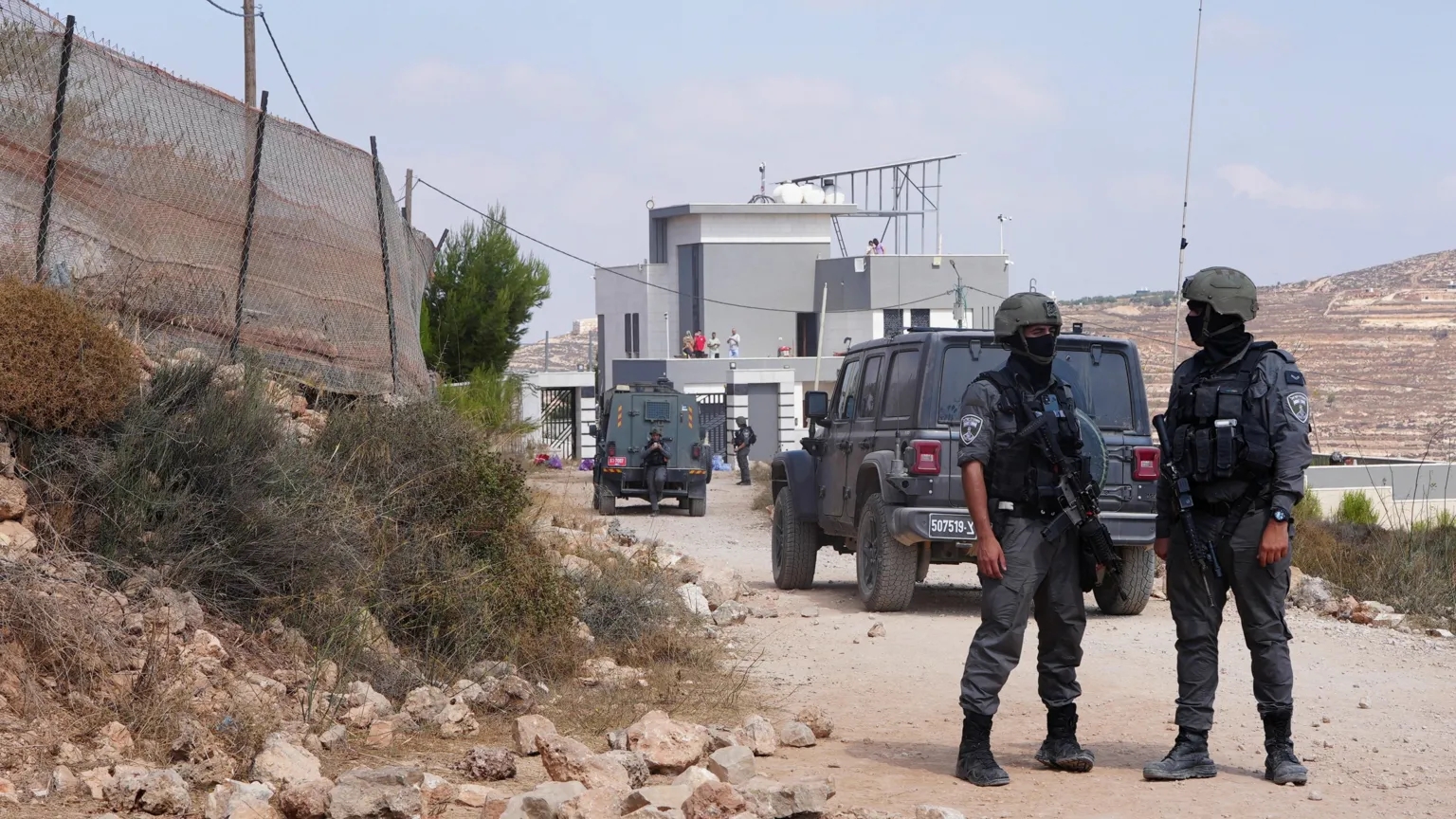
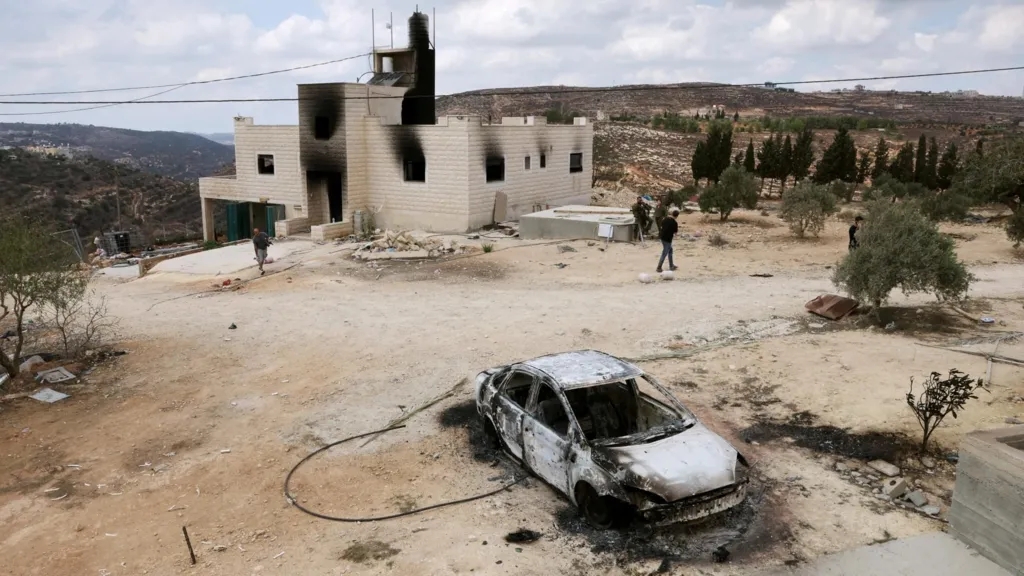
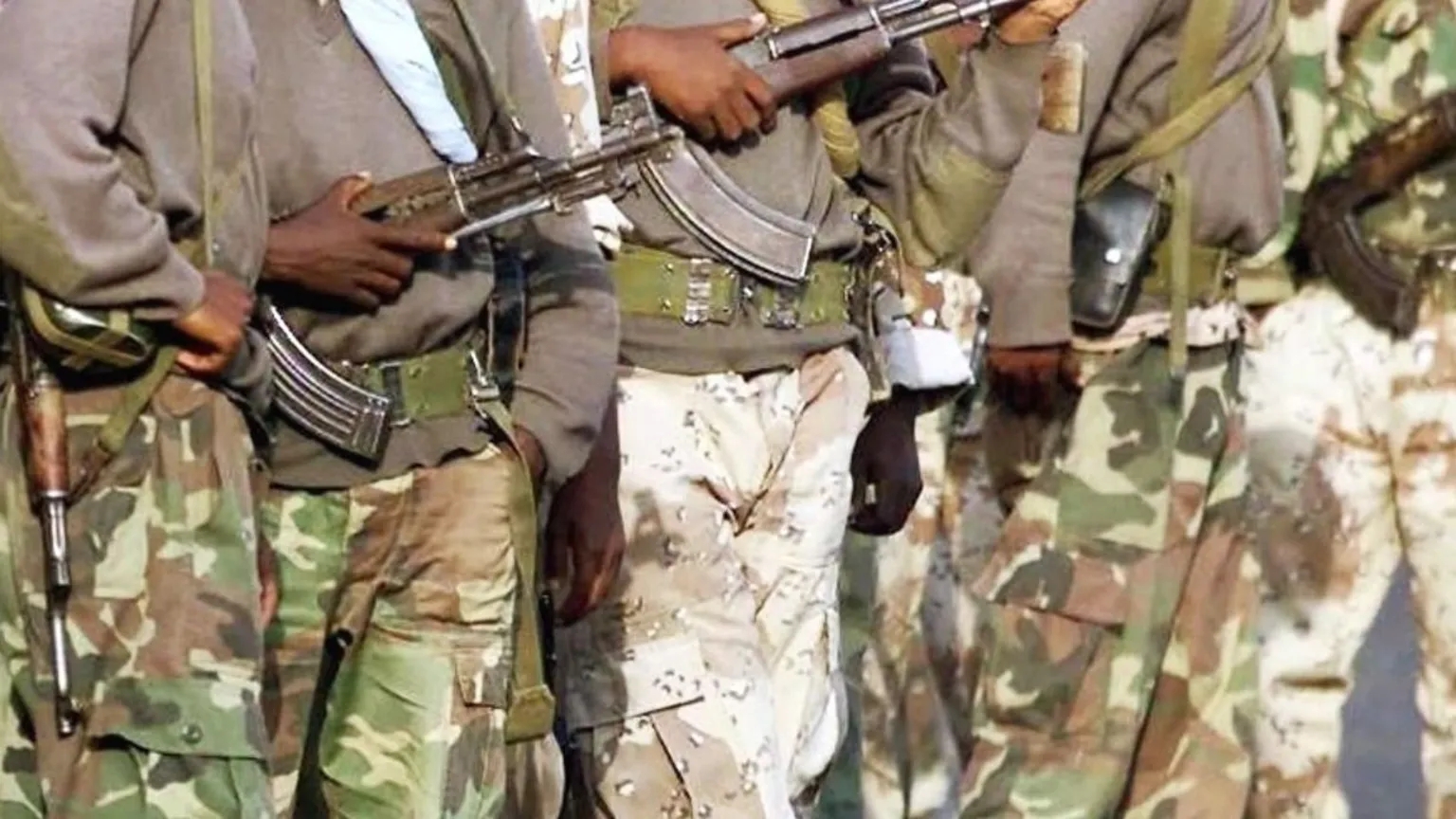
Palestinians and human rights groups also accuse the Israeli security forces of failing in their legal duty as occupiers to protect Palestinians as well as their own citizens - not just turning a blind eye to settler attacks, but even joining in.
Violence by ultra-nationalist Jewish settlers in the West Bank has risen sharply since 7 October 2023.
Ocha, the UN's humanitarian office, estimates an average of four settler attacks every day.
The International Court of Justice has issued an advisory opinion that the entire occupation of Palestinian territory captured in 1967 is illegal.
Israel's rejects the ICJ's view and claims that the Geneva Conventions forbidding settlement in occupied territories do not apply - a view disputed by many of its own allies as well as international lawyers.
In the shade of the fig tree, Simcha denied all suggestions he had attacked Palestinians, as he celebrated the fact that most of the Arab farmers who used to graze their animals on the hills he has seized and tend their olives in the valleys had gone.
He looks back to the Hamas October attacks, and Israel's response ever since, as a turning point.
"I think that a lot has changed, that the enemy in our land lost hope. He's beginning to understand that he's on his way out; that's what has changed in the last year or year and a half.
"Today you can walk around here in the land in the desert, and nobody will jump on you and try to kill you. There are still attempts to oppose our presence here in this land, but the enemy is starting to understand this slowly. They have no future here.
"The reality has changed. I ask you and the people of the world, why are you so interested in those Palestinians so much? Why do you care about them? It's just another small nation.
"The Palestinians don't interest me. I care about my people."
Simcha says the Palestinians who left villages and farms near the hilltops he has claimed simply realised that God intended the land for Jews, not for them.
On 24 July this year, a panel of UN experts came to a different conclusion. A statement issued by the office of the UN High Commissioner for Human Rights said: "We are deeply troubled by alleged widespread intimidation, violence, land dispossession, destruction of livelihoods and the resulting forcible displacement of communities, and we fear this is severing Palestinians from their land and undermining their food security.
"The alleged acts of violence, destruction of property, and denial of access to land and resources appear to constitute a systemic pattern of human rights violations."
Simcha has a plan to dig a swimming pool at the base of the spring where we sat to talk. Like many others who are leading the expansion of Jewish settlements in the West Bank, he is full of plans. When I met him first, not long after Hamas burst through Israel's border defences on 7 October 2023, he lived in a small group of isolated caravans on a hilltop overlooking the Judean desert as it sweeps down to the Dead Sea.
Since then, Simcha says his community has expanded into around 200 people on three hilltops. He was part of the faction of the settler movement known as hilltop youth, a radical fringe that became notorious for the violent harassment of Palestinians. Most Israelis who have settled in the occupied territories are not like Simcha. They went there not for ideological and religious reasons, but because property was cheaper.
But now men like Simcha are at the centre of events, with their leaders in the cabinet, leading the charge, married, older, thinking not just about swimming pools for their children but of victory over the Palestinians, once and for all, and everlasting Jewish possession of the land.
Simcha comes across as a happy man. He believes his mission - to implement the will of God by turning the West Bank into a land for Jews, and not for Palestinians - is progressing nicely.
Israel's decades-old project
Israel's project to settle Jewish citizens in the newly occupied territories started within days of its victory in 1967. Over the last almost 60 years, successive Israeli governments and some wealthy sympathisers have invested vast amounts of money and energy to get to the point where around 700,000 Israeli Jews live in the West Bank, including East Jerusalem.
I have been watching the settlements grow for about half of the lifetime of the project, since I first reported from the occupied Palestinian territories in 1991. In that time, the terrain of much of the West Bank has been transformed. The bigger settlements look like small towns, and the West Bank is carved into sections by a network of roads and tunnels built by Israel that are as much about staking an immovable claim to the land as they are about traffic management.
On remote hilltops at night, you can see the lights coming from the caravans of settlers who see themselves as Jewish pioneers. Olive groves, orchards and vineyards owned by Palestinian farmers along the road network are often overgrown, sometimes dotted with piles of rubble left from buildings Israel has demolished.
Controlling the land around the roads is necessary, Israel says, to stop attacks on Jews in the West Bank.
Farmers in areas under settler pressure often need military permission to visit their land, sometimes just once a year.
Palestinian farmers going about their business in vans or on donkeys used to be a common sight. In many parts of the West Bank, you just do not see them anymore, especially in places like the settlements east of Shiloh on the road to Nablus, where small groups of shacks and caravans on hilltops have connected up into sprawling residential hubs linked by sinuous road networks.
When first I reported on settlements, Israeli leaders would often say that national security depended on them. Enemies lurked across the Jordan valley, and pushing out the frontier, building the land, was a Zionist imperative.
Just like the kibbutz movement of collective farms in the 1920s and 1930s inside present-day Israel, settlements in the occupied territories after 1967 were strategically placed as a first line of defence.
In this conflict, land is a vital commodity.
Trading land taken by Israel in 1967 for peace with Palestinians who wanted it for a state was at the heart of the Oslo peace process that ended in violence but provided a false dawn of hope in the 1990s.
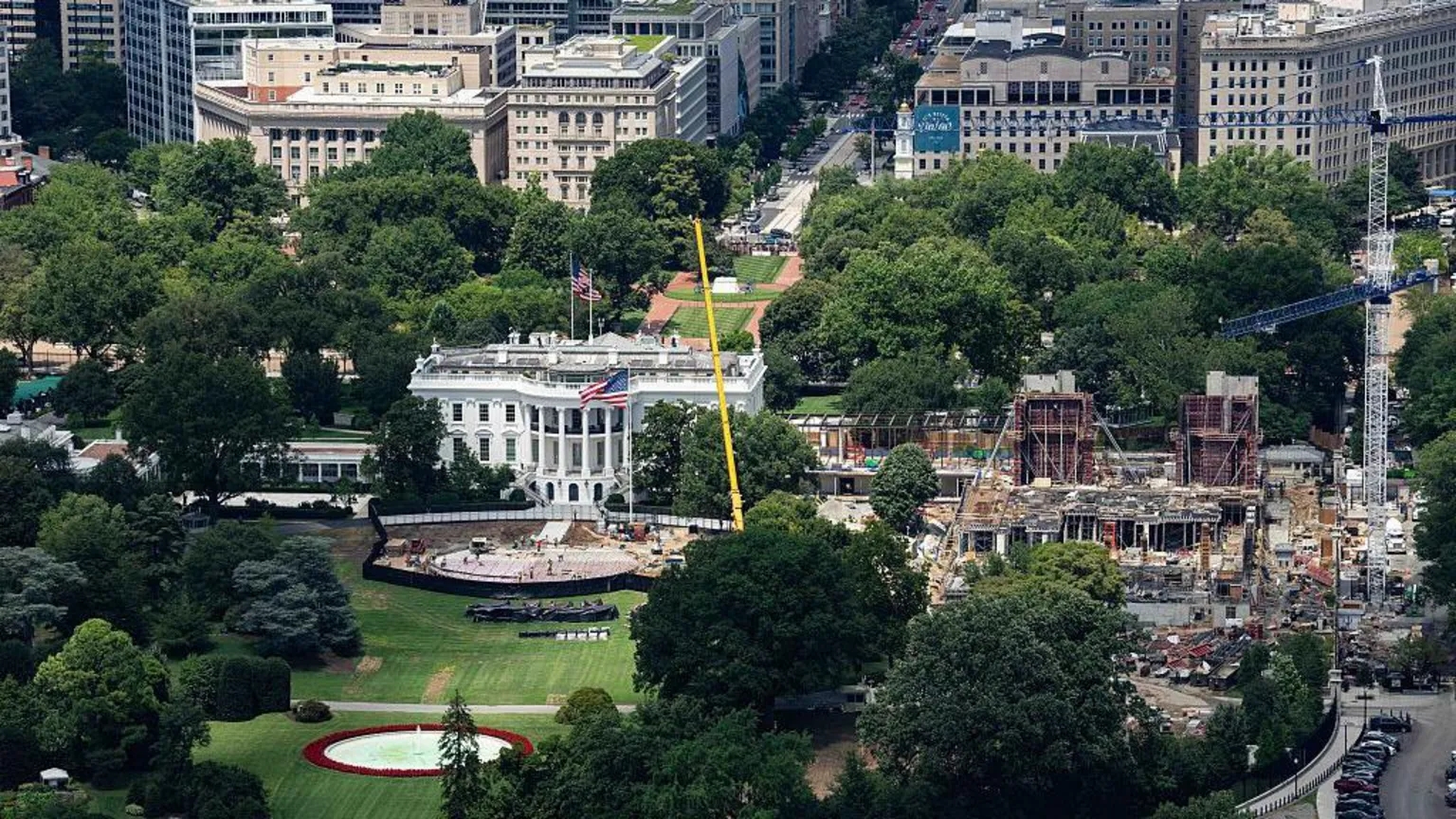
There were headlines around the world when, after months of secret negotiations in Norway in 1993, there was a handshake on the White House lawn between Israel's Prime Minister Yitzhak Rabin and the Palestinian leader Yasser Arafat. They had signed a declaration of principles that was hoped would lead to the end of the conflict. Israel would relinquish occupied land to Palestinians. In return, they would drop their claim to territory they had lost when Israel declared independence in 1948.
The argument at the heart of their conflict across the 20th Century, about who controlled land they both wanted, would be solved by splitting it.
After a final disastrous summit at Camp David in 2000, the hopes of 1993 were replaced by the deadly violence of a Palestinian uprising and a massive military response from Israel.
Part of the reason why the peace process failed was that other forces, outside the talks, were at work.
Hamas never dropped its belief that the entire land of Palestine was an Islamic possession and used suicide attacks to discredit the notion that peace was possible.
Among religious Zionists in Israel, the victory in 1967 had supercharged a wave of messianism - the belief that a divine being was coming who would redeem the Jewish people.
It electrified the settler movement.
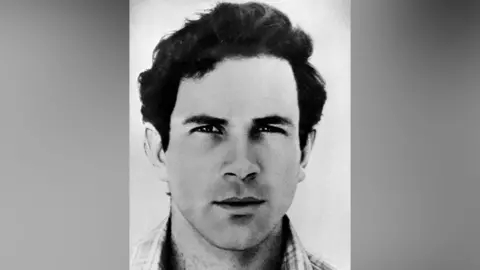
Rabin was assassinated in November 1995 by a Jewish extremist brought up in Herzliya on the Mediterranean coast who spent weekends at settlements in the West Bank. During his first interrogation by the Israeli security service, Shin Bet, he asked for a drink so he could toast the fact that he had saved the Jewish people from a disastrous path that denied the will of God.
SOURCE/AUTHOR : Jeremy Bowen - International editor, reporting from the occupied West Bank - BBC NEWS
Venues













'I will never let your legacy die' - Charlie Kirk's widow gives tearful address after shooting






One hellscape to another: Gazans tell of dire conditions in Israeli-declared humanitarian zone




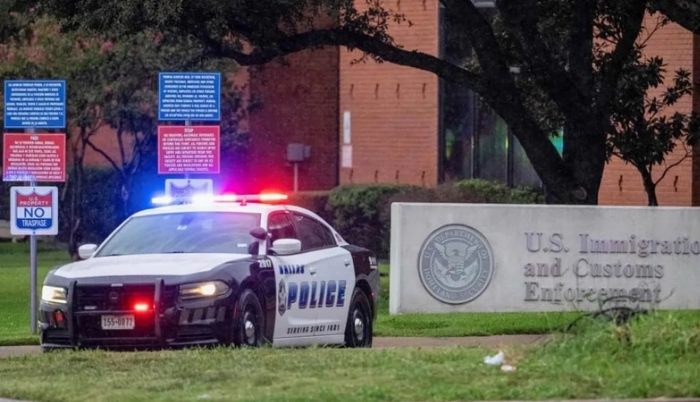

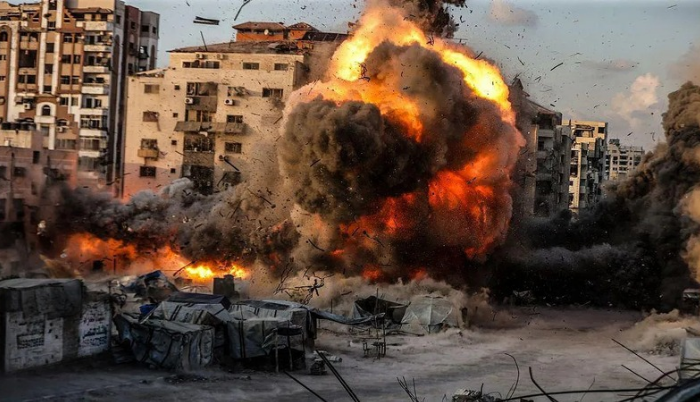
Israeli forces near Gaza City centre as Hamas reportedly prepares for street-to-street fighting






















Soldiers threaten to seize state TV in Madagascar, presidency says, amid warnings of coup attempt


Israeli hostages and Palestinian detainees freed as Trump hails 'historic dawn' in Middle East


Israeli military's top lawyer resigns over leak of video allegedly showing abuse of Palestinian detainee







Israeli military's ex-top lawyer arrested over leak of video allegedly showing Palestinian detainee abuse








Bondi gunmen threw explosives at start of attack and practised shooting weeks before, police allege


















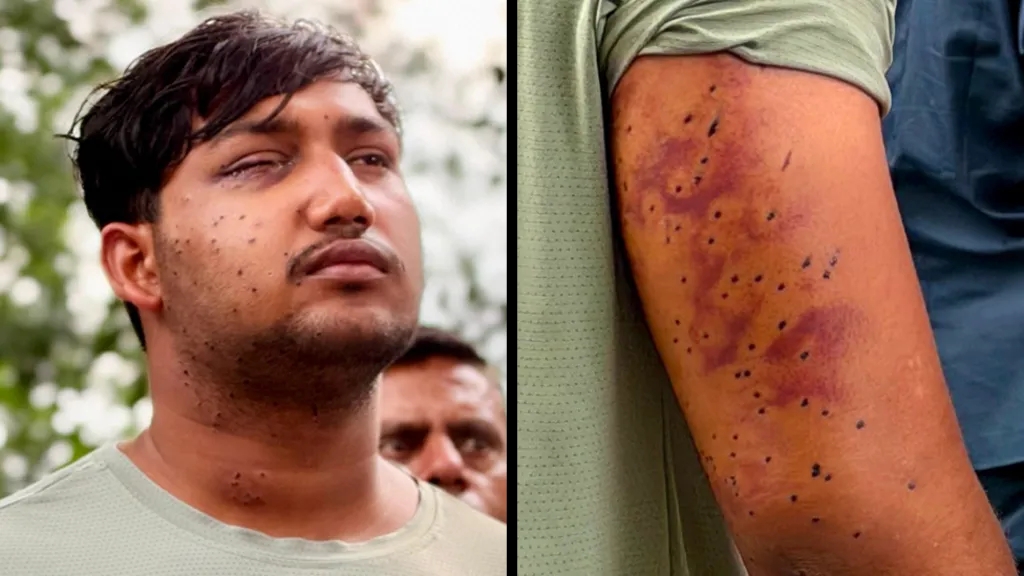
CJP protest: India's 'Cockroach' protesters have wounds consistent with pellet-gun fire, experts say









Iran says it is in talks with Oman but not the US after Trump says negotiations to resume










Ethiopia's Addis Standard: Editor of top independent news site seized by police, publisher says






























Israel confirms soldiers fired at car in which Hind Rajab was killed and opens criminal investigation





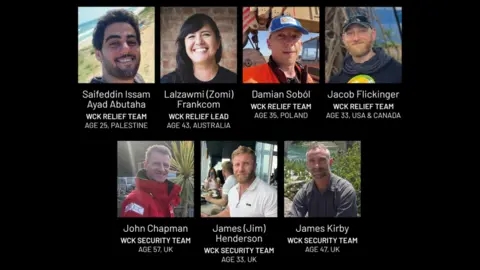
UK, Canada and Australia condemn Israel for refusing criminal probe into aid worker killings in Gaza



Iran faces 'greatest financial offensive ever', says US Treasury Secretary Scott Bessent





Chinese-Eswatini relations: China advises its citizens to leave Taiwan ally over security risks

















Iran says US strike killed four at wedding in 'war crime' as US denies targeting civilians






























Russia hits Ukrainian train shortly after Boris Johnson and top European officials leave station














German state elections: Chancellor Friedrich Merz vows to stay on despite 'disaster' in polls







Trump threatens to 'annihilate' Iran in UN speech as officials from both countries meet on sidelines






Russia-Ukraine war: Moscow targeting 'ordinary life' with attacks on data centres, Zelensky says




























Comments (0)
No comments yet. Be the first to comment!
Leave a Comment