
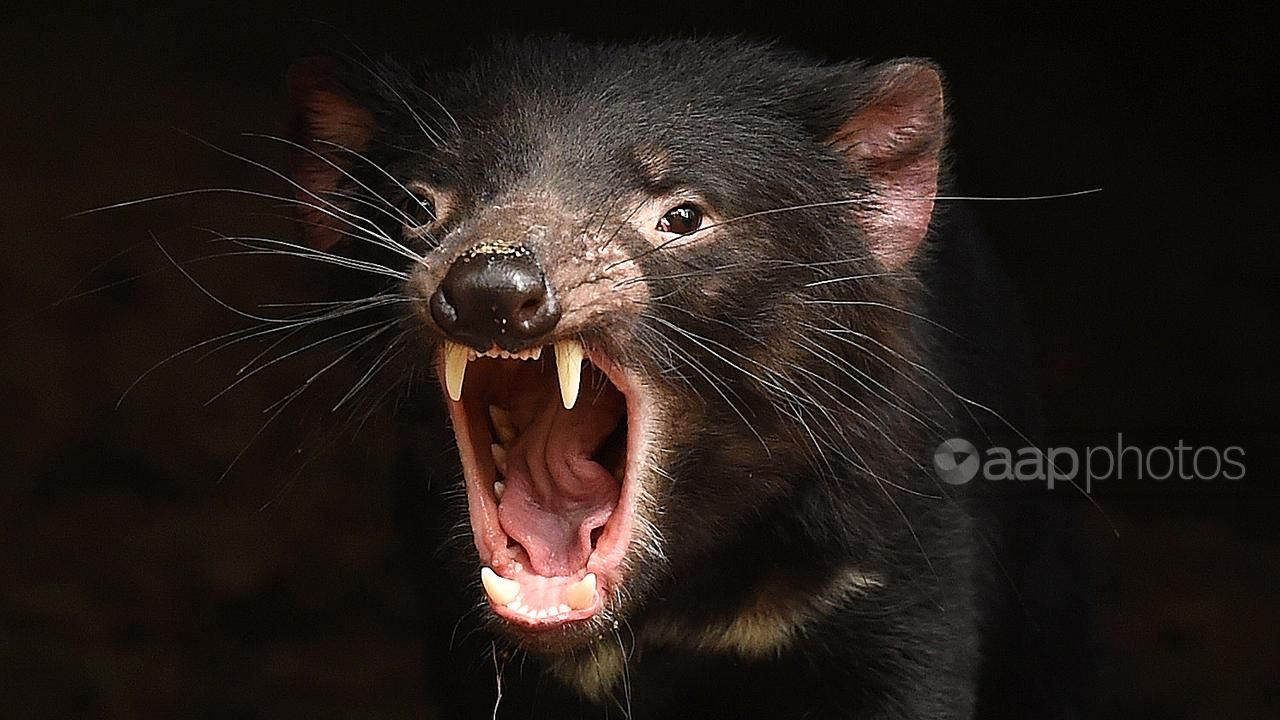
Tasmanian devils fed on scraps from human campsites in remote rugged gorges of Western Australia for thousands of years, according to bones discovered at a sacred Indigenous site.
University of New South Wales research, published on Friday, has shed fresh light on the marsupial's former life across mainland Australia and its relationship with people.
Devils died out on the mainland around 3500 years ago, thought in part due to the introduction of the dingo and intensification of human activity.
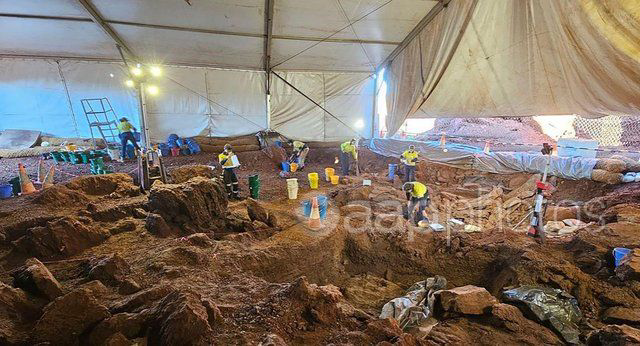
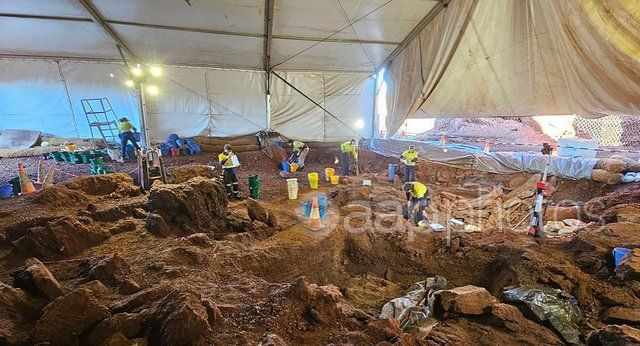
Excavation at Juukan Gorge in WA's Pilbara is leading to new discoveries about Tasmanian devils. (HANDOUT/UNIVERSITY OF NSW)
Traditional Owners and scientists have for the first time found evidence of devils in WA's rugged Pilbara region, at the Juukan Gorge site.
Part of a devil jaw dating to between 6900 and 7300 years ago and part of a molar tooth from deposits between about 42,500 and 47,100 years old were among the discoveries.
The finds, combined with other animal and human remains, suggest devils scavenged around human camps for thousands of years.
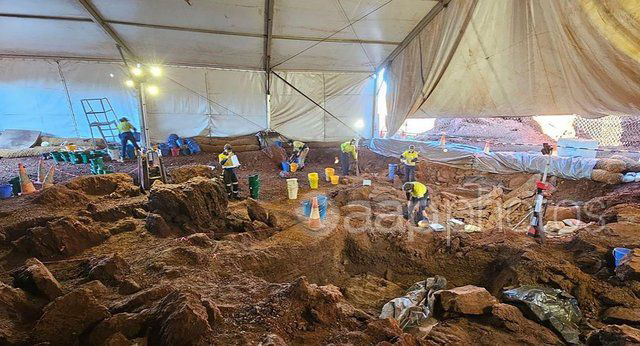
Part of a devil jaw and a molar tooth were among the discoveries at Juukan Gorge. (HANDOUT/UNIVERSITY OF NSW)
"There have been a number of archaeological sites where there is evidence of devils scavenging off bones left by humans," study lead author and palaeontologist Tim Churchill said.
"But not really to this scale where we more or less have evidence of persistent devil scavenging off a rock shelter site.
"Devils were not afraid to come and scavenge off human-made scraps, which is something that we never really had strong evidence for."
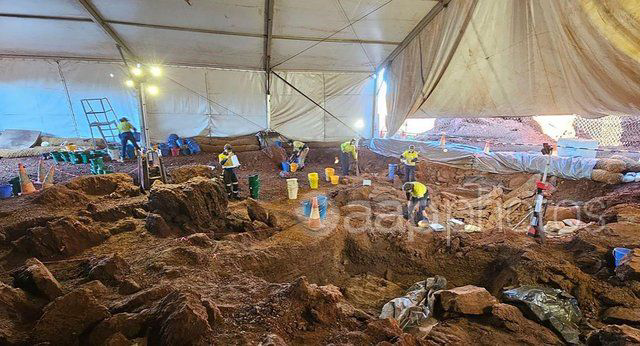
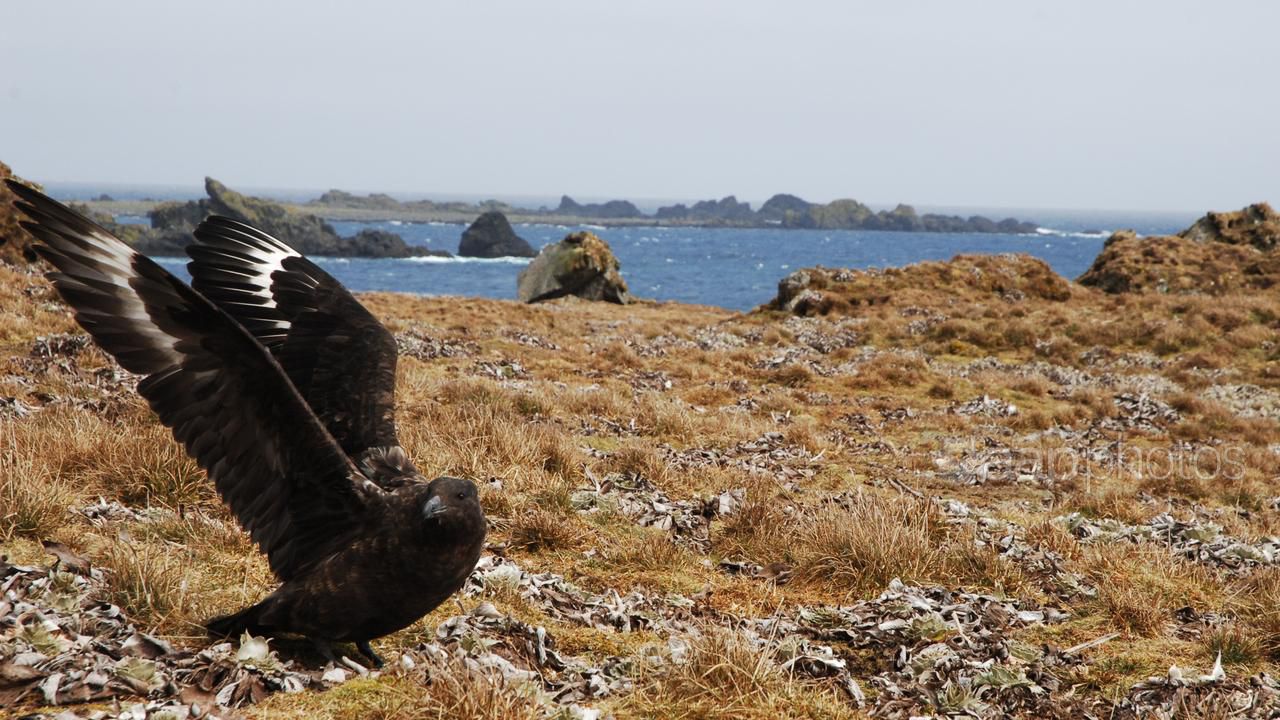
The arrival of the dingo could have contributed to the mainland decline of the marsupial. (Roy Vandervegt/AAP PHOTOS)
There was a pattern of "devil-like damage" to animal bones found among archaeological remains at the gorge, such as stone artefacts, campfires, shell beads and bone tools.
More than 8000 bones from the site have been examined, many which had tooth marks closely matching those made by devils.
Signs of devils occur across deposits spanning much of the gorge's 47,000-year history - suggesting they repeatedly scavenged there, even during a dry period in the last Ice Age.
Bones of larger animals, such as kangaroos and goannas, were brought there by people and may have also been snacked upon by devils.
Many bones have been found showing devils scavenged on larger animals. (HANDOUT/UNIVERSITY OF NSW)
"It forms a completely different look, to what we see with Tasmanian devils living in the rainforest of Tasmania," Dr Churchill said.
"These things were all over the continent, even in the arid, rocky gorges of the Pilbara.
"It paints a really interesting picture of what Australia looked like not so long ago."
The arrival of the dingo and its relationship with humans could have cut devils off from their campsite scavenging and contributed to the species' mainland decline, Dr Churchill said.
The devil finds were even more significant given rock shelters at Juukan Gorge were destroyed by mining company Rio Tinto in 2020, he said.
The study has been published in scientific journal Archaeology in Oceania.
SOURCE/AUTHOR : AAP NEWS/Ethan James in Hobart
Venues
























































































































Comments (0)
No comments yet. Be the first to comment!
Leave a Comment