
 Getty Images
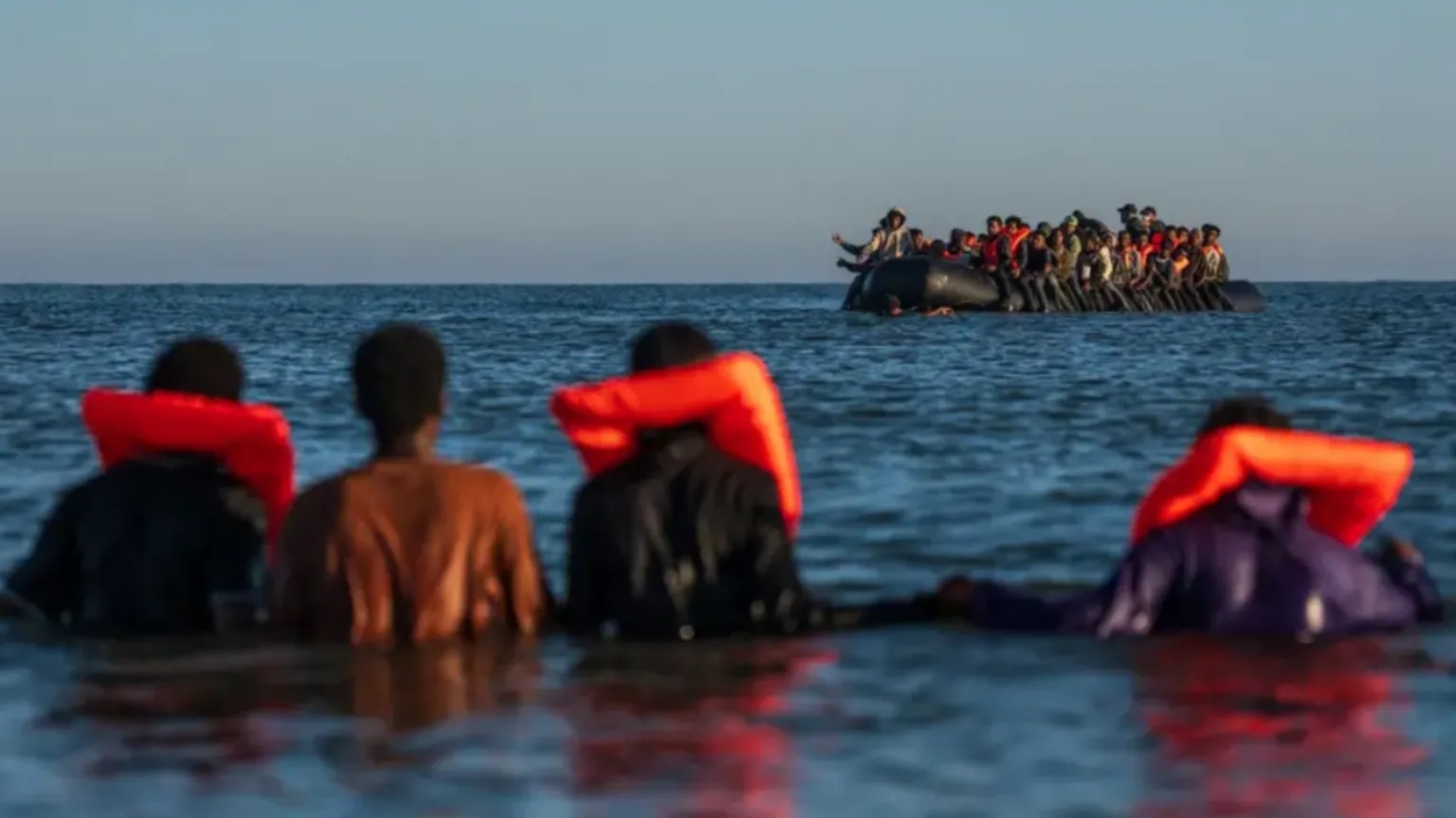
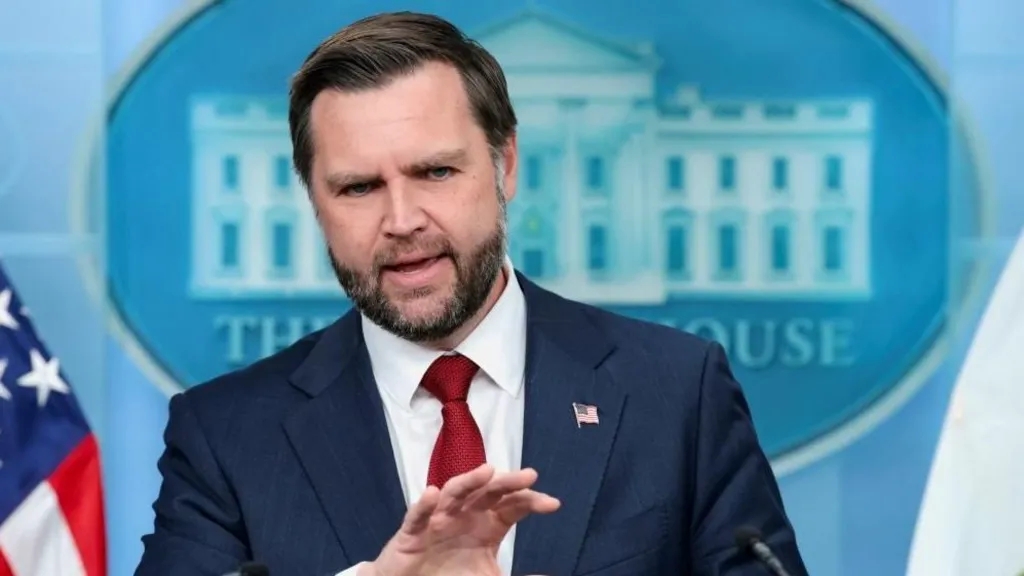
Home Secretary Shabana Mahmood has threatened to ban all Eritreans from entering the UK if the east African country's government does not accept more returns of small boat migrants and foreign national offenders.
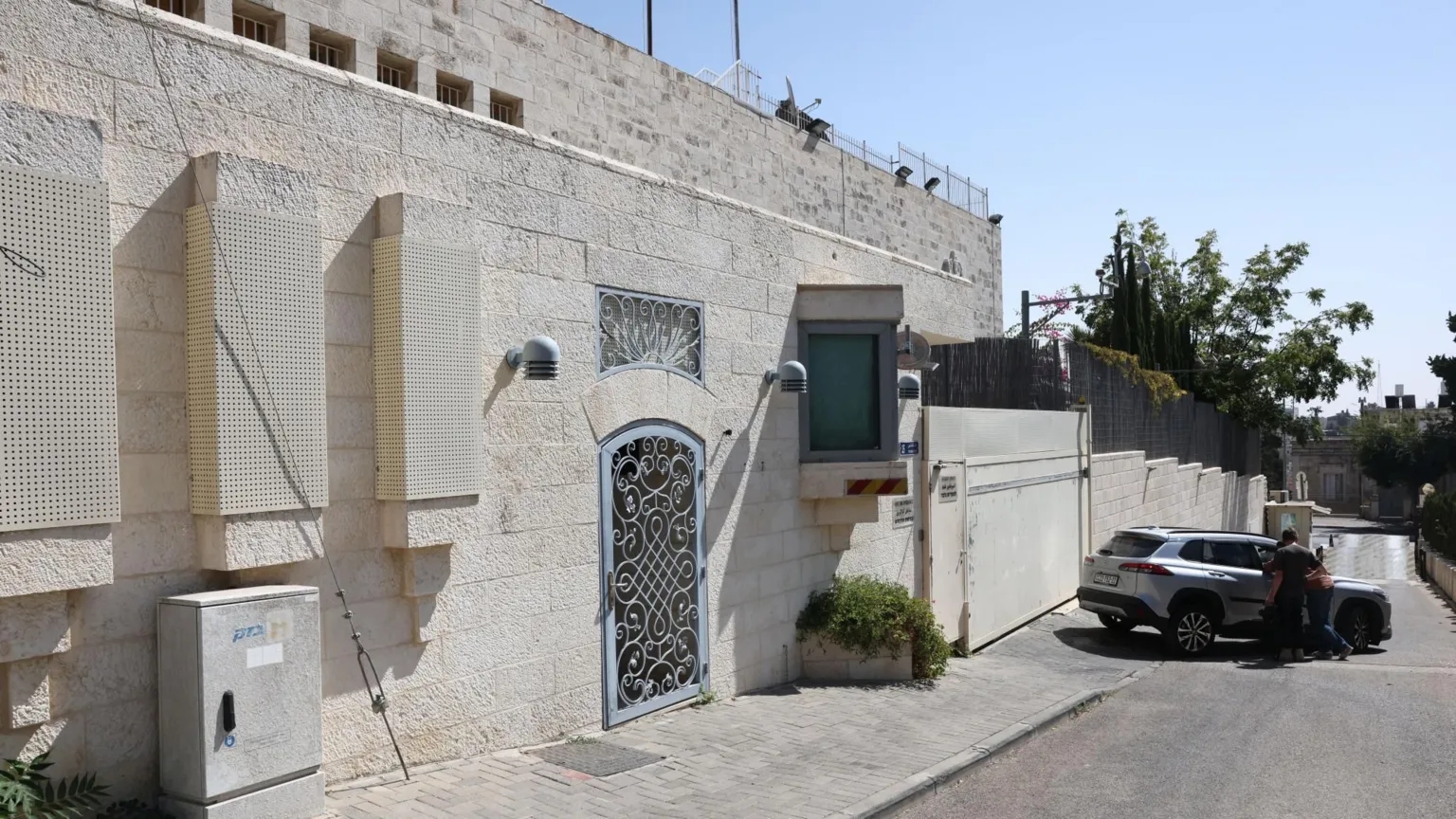
From Thursday, Eritrean diplomats will face restrictions on their movement outside London. Fast-track visas will also be stopped for VIPs.
Ministers have previously pressured other countries into accepting returns by threatening visa bans.
Eritrea branded the move a "perfunctory political gimmick", saying the UK had not issued a single visa to an Eritrean official since 2023.
The country's embassy in London also accused the UK of refusing to engage in "meaningful and appropriate dialogue".
It said the UK had failed to disclose the return of criminals still serving prison terms and that the UK had claimed returns were voluntary "when clearly, they were not".
Human Rights Watch has accused Eritrea's government of widespread repression - including forced labour, conscription and restrictions on freedom of expression.
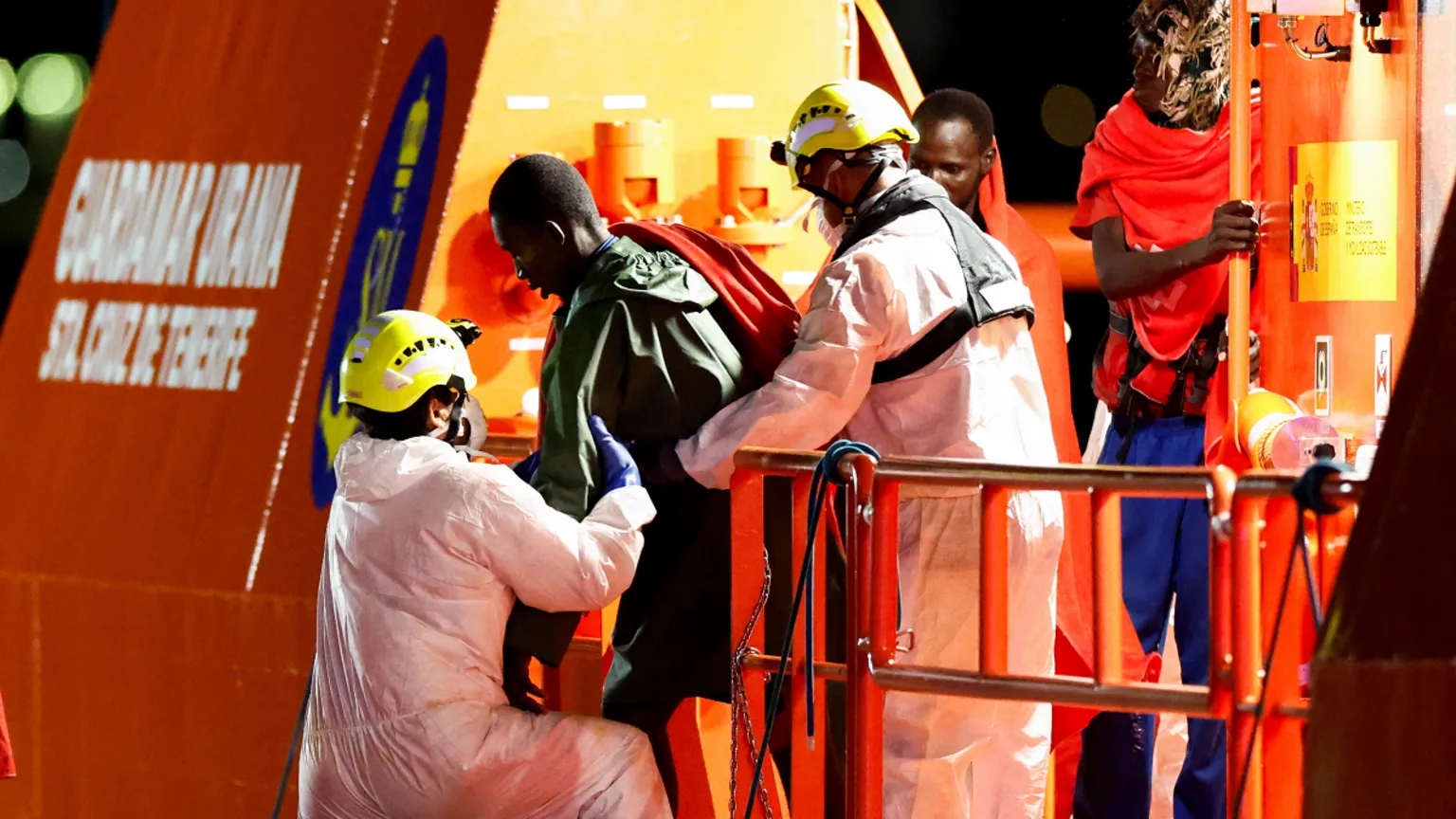
Eritreans were the most common nationality among small boats migrants in the 12 months to June - accounting for 18% of arrivals, according to figures from the House of Commons Library.
Mahmood said: "Eritrea has had every chance to accept the return of criminals and those with no right to be in the UK. Unlike other countries, it has refused."
She said she would not hesitate "to impose further measures on other countries refusing to co-operate".
The UK government accused the Eritrean authorities of "abruptly" withdrawing co-operation earlier this year.
The restrictions mean diplomats are banned from travelling 60km outside London without permission.
The Home Office said this mirrored restrictions on British officials in Eritrea's capital Asmara.
In the 12 months to June only seven people from Eritrea were returned there from the UK, according to Home Office figures. A further 244 Eritreans were returned to other countries.
Over the same period, more than 5,800 Eritreans arrived in the UK via small boats. A further 1,300 were given visas, mostly to join people already settled in the UK.
Dr Madeleine Sumption, director of the Migration Observatory at the University of Oxford, said targeting Eritrea would have little impact.
"Eritrea is one of the major countries of origin for asylum seekers coming to the UK - we had roughly 7,000 asylum applications in the last year of data, roughly 8% of the total," she told BBC Radio 4's Today programme.
"Most Eritreans who come and claim asylum are not removable at all - the government would never be in negotiations to remove them because 84% are successful at initial decision; more will be successful on appeal."
She added that about 1,400 people were initially refused asylum, but that this number would reduce after appeals.
Many young Eritreans try to leave the country - which is a one-party state - to avoid military conscription, which can last for decades.

Eritrea has never held an election since independence from Ethiopia in 1993 and there is no independent media. Critics of President Isaias Afwerki have been arrested and jailed for many years, often without trial.
Only four religions are permitted in the country – Orthodox Christianity, Sunni Islam, the Roman Catholic Church, and the Evangelical-Lutheran church of Eritrea – and followers of other religions have been locked up for years on end.
Last November, the Home Office said it was prepared to suspend visas from countries that "fail to co-operate with the return of their citizens".
Earlier this year, the UK threatened visa restrictions against Angola, Namibia and the Democratic Republic of Congo (DRC).
Restrictions were announced against the DRC last year, but the Home Office said these have been lifted after co-operation on returns improved.
Angola and Namibia both agreed changes before restrictions were introduced.
But Sumption pointed out that the government may avoid targeting certain countries to avoid damaging trade relationships.
"If you're looking at overall numbers of people who are refused asylum and not returned to their country of origin, it would be places like Pakistan, also Bangladesh that are right at the top of the list," she said.
"But the collateral damage of a ban on visas for those countries when you have so many international students coming, for example, [and] a lot of people coming on work visas would be much greater than a country like Eritrea."
According to Home Office data, more than 20,400 people have arrived in the UK by small boats so far since the beginning of this year, down 40% from the same period last year.
There were more than 40,600 returns and deportations from the UK from July 2025 to June this year - an 8% increase on the same period last year.
SOURCE/AUTHOR : BBC NEWS/Nick Eardley, Political correspondent and Vicky Wong
Venues











'I will never let your legacy die' - Charlie Kirk's widow gives tearful address after shooting






One hellscape to another: Gazans tell of dire conditions in Israeli-declared humanitarian zone


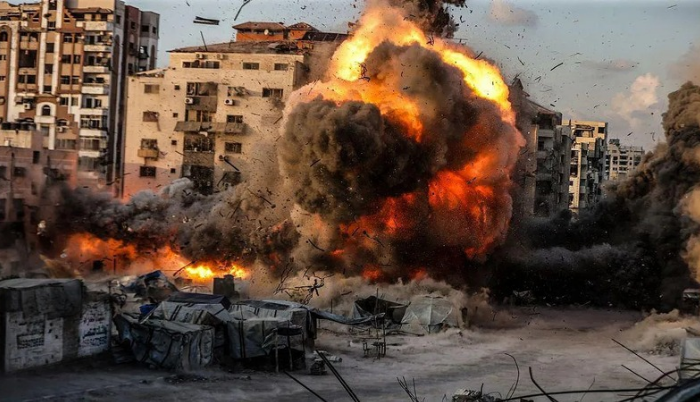
Israeli forces near Gaza City centre as Hamas reportedly prepares for street-to-street fighting



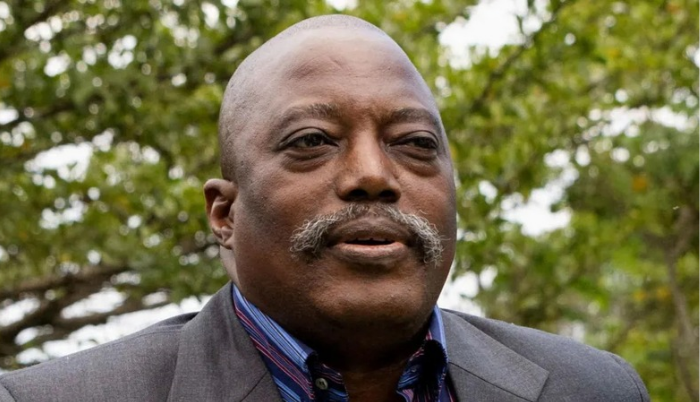





Soldiers threaten to seize state TV in Madagascar, presidency says, amid warnings of coup attempt


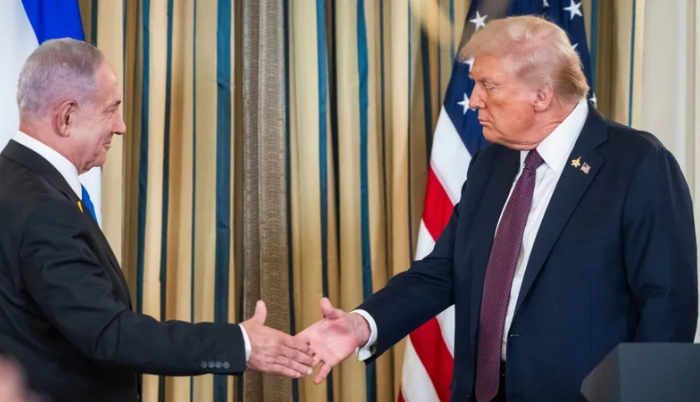
Israeli hostages and Palestinian detainees freed as Trump hails 'historic dawn' in Middle East


Israeli military's top lawyer resigns over leak of video allegedly showing abuse of Palestinian detainee





Israeli military's ex-top lawyer arrested over leak of video allegedly showing Palestinian detainee abuse






Bondi gunmen threw explosives at start of attack and practised shooting weeks before, police allege















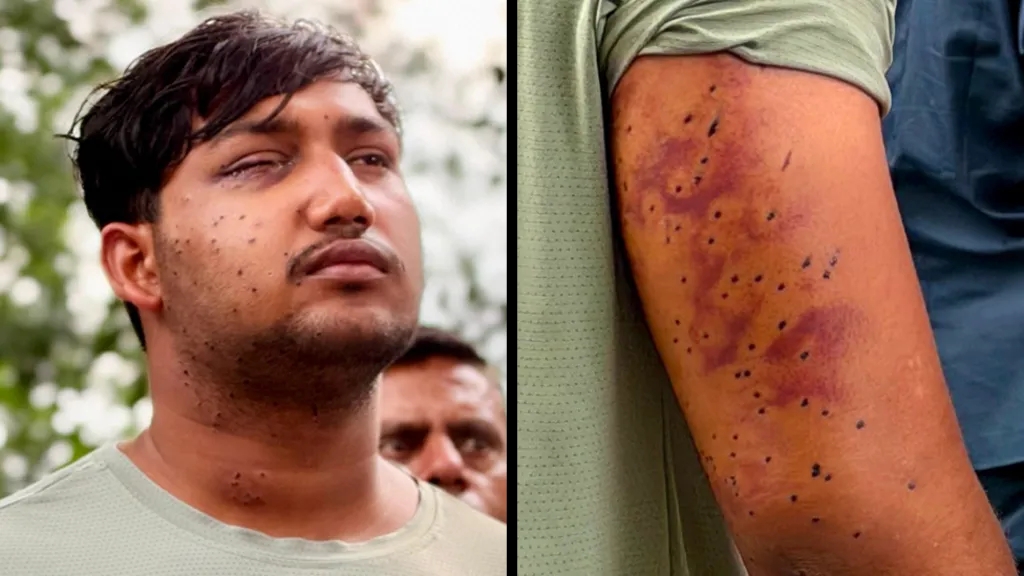
CJP protest: India's 'Cockroach' protesters have wounds consistent with pellet-gun fire, experts say





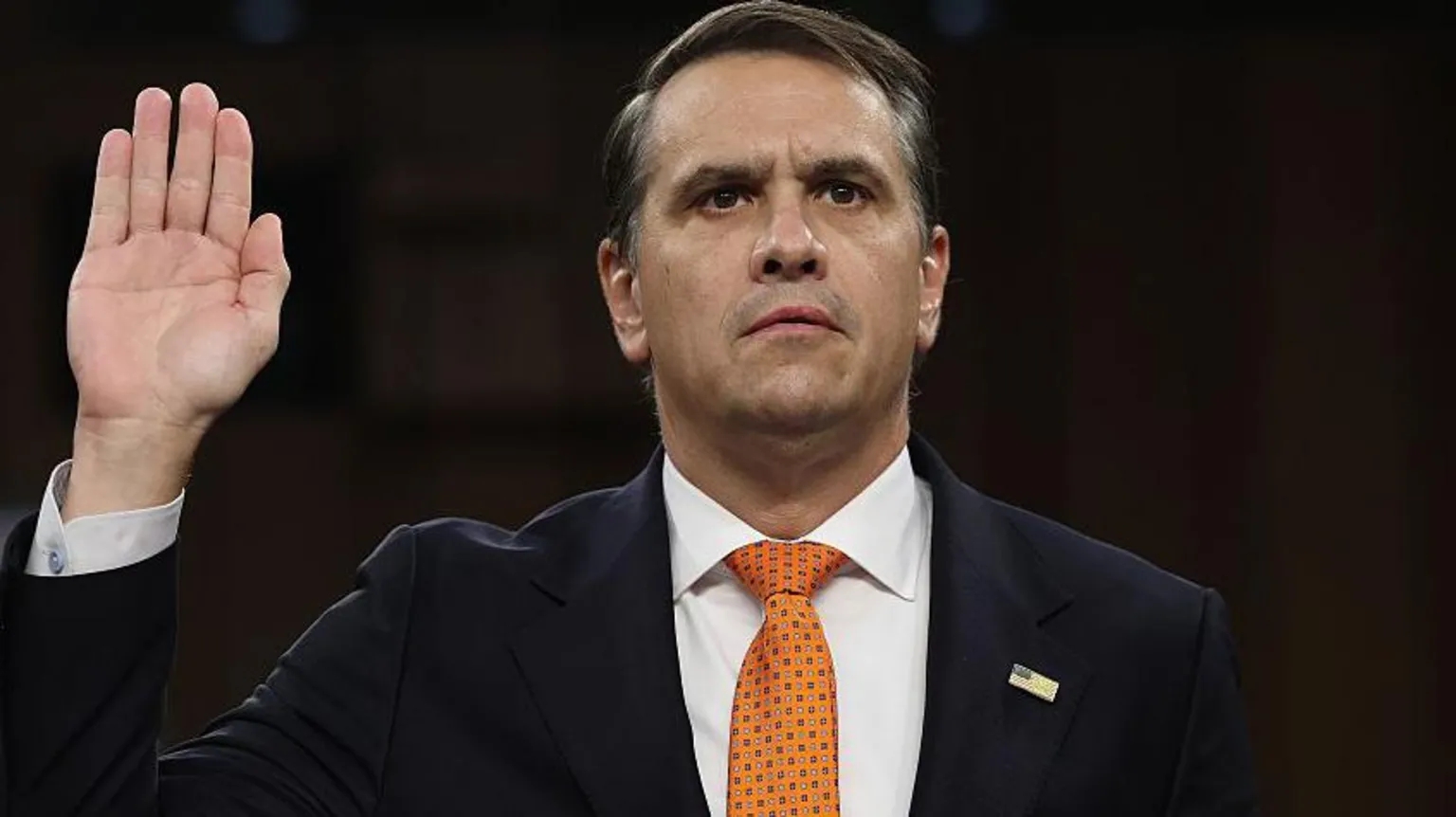

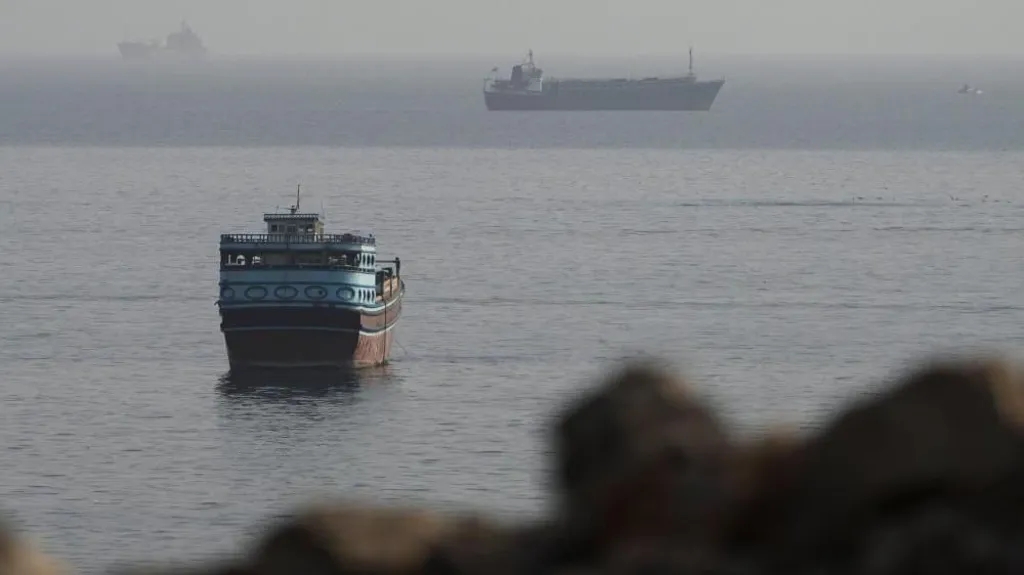
Iran says it is in talks with Oman but not the US after Trump says negotiations to resume






Ethiopia's Addis Standard: Editor of top independent news site seized by police, publisher says




























Israel confirms soldiers fired at car in which Hind Rajab was killed and opens criminal investigation





UK, Canada and Australia condemn Israel for refusing criminal probe into aid worker killings in Gaza



Iran faces 'greatest financial offensive ever', says US Treasury Secretary Scott Bessent




Chinese-Eswatini relations: China advises its citizens to leave Taiwan ally over security risks
















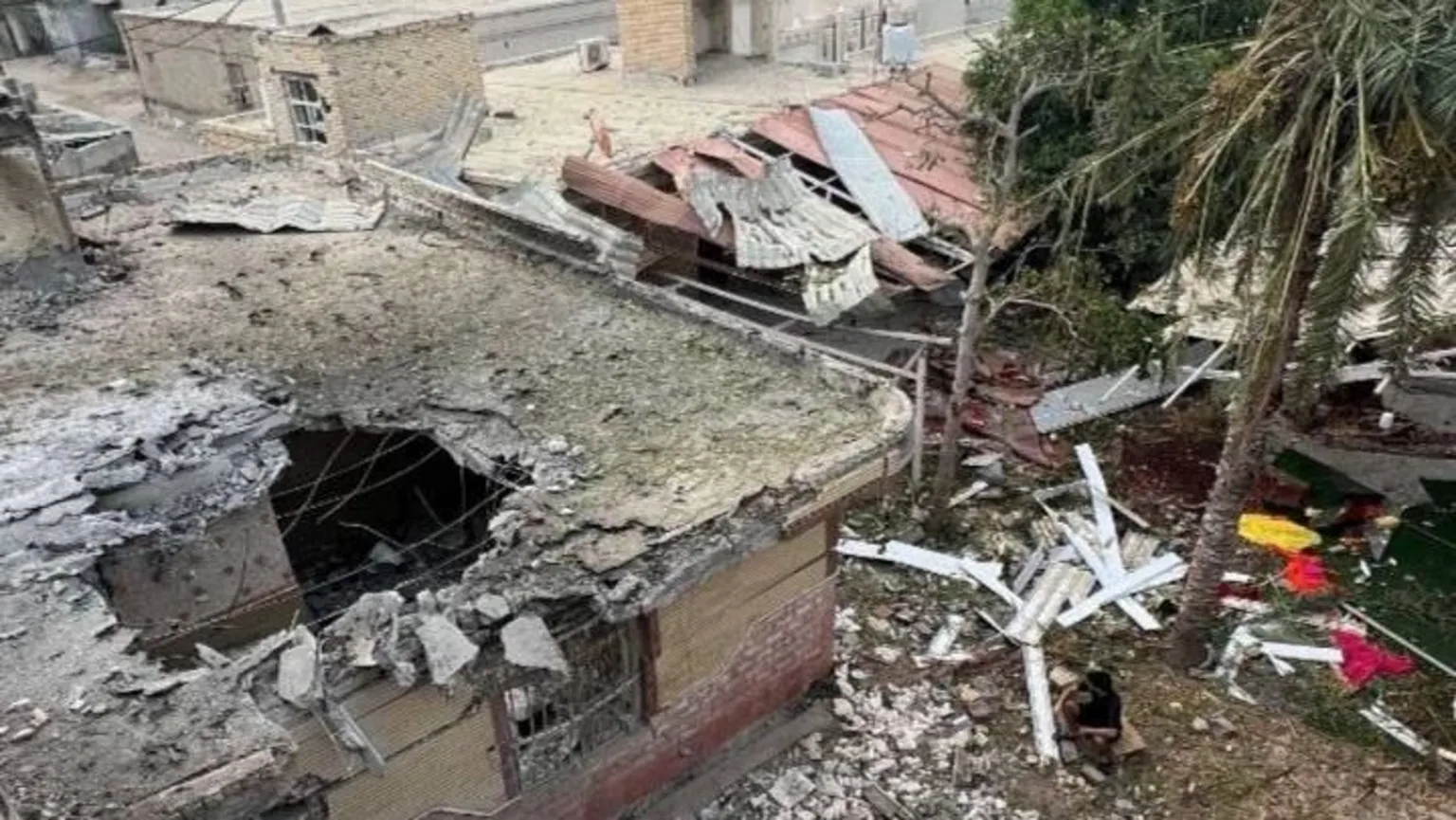
Iran says US strike killed four at wedding in 'war crime' as US denies targeting civilians
























Russia hits Ukrainian train shortly after Boris Johnson and top European officials leave station











German state elections: Chancellor Friedrich Merz vows to stay on despite 'disaster' in polls



Trump threatens to 'annihilate' Iran in UN speech as officials from both countries meet on sidelines



Russia-Ukraine war: Moscow targeting 'ordinary life' with attacks on data centres, Zelensky says

































Comments (0)
No comments yet. Be the first to comment!
Leave a Comment