

BEIJING (Jan 8): For much of the past decades, China’s longest river, the Yangtze, bore the costs of the country’s economic growth. Stretches of the 6,300-kilometer mother river were choked by polluted water, declining biodiversity and mounting disaster risks.
However, that trajectory began to shift a decade ago.
Today, water quality on the main stem of the once “seriously ill” river has reached levels once thought unattainable, while fish are returning to stretches where spawning had long ceased.
The turning point came on Jan 5, 2016, when a meeting on advancing the development of the Yangtze River Economic Belt set a clear principle that the development along the river must prioritise ecology and green development to respect natural, economic and social rules.
Ten years on, through strict ecological safeguards, structural economic reform and technology-driven governance, the Yangtze River Economic Belt, an initiative launched in early 2016, spanning 11 provinces and municipalities and accounting for nearly half of China’s GDP, is offering a glimpse of how China aims to reconcile growth with long-term environmental resilience.
“Over the past decade, the Yangtze conservation drive has woven environmental protection into the fabric of high-quality development, reshaping the river basin’s growth model,” said Wang Yanxin, academician of the Chinese Academy of Sciences.
“It has accelerated shifts in how people live and produce, advanced the energy transition, driven industrial restructuring and supported the building of more liveable rural communities. Outcomes are tangible and measurable.”
So far, the results are striking. The share of high-quality water sections in the Yangtze basin has climbed from 82.3 per cent in 2016 to over 98 per cent today, and biodiversity is making a comeback.
The population of the iconic species, Yangtze finless porpoises, had climbed to 1,249 in 2023 — up 23.4 per cent from 2017, while 344 native fish species were recorded between 2021 and 2024, 36 more than in the 2017-2020 period.
A river allowed to rest
The most far-reaching intervention came on the first day of 2021, when China imposed a 10-year fishing ban across key waters of the Yangtze basin.
Affecting more than 230,000 fishers in 10 provincial-level regions, the policy aimed to halt a long slide in aquatic biodiversity by taking an unusual step in China’s development — halting exploitation completely.
Southwest China’s Chongqing, a major ecological gateway in the upper reaches of the river, offered one of the clearest tests of the policy.
More than 5,300 fishing boats were retired and over 10,000 fishers were brought ashore. For many, the shift was existential.
Li Daiguo, 58, had spent more than three decades fishing the river. Today, he wears a patrol uniform.
After leaving fishing, he joined a fisheries enforcement team in Dianjiang County, persuading anglers to comply with the ban, clearing rubbish from riverbanks and reporting illegal discharges.
“I know the river. I can still handle a boat,” Li said. “My old skills still matter.”
These changes have been backed by targeted support. According to official figures, the average annual income of Chongqing’s former fishers reached 48,200 yuan (about US$6,869) in 2024, more than 8 per cent higher than before the ban.
Many have moved on to work as river wardens, in factories, or have started their own small businesses.
Technology has also played a major role in the effort. Since 2021, Chongqing has built an AI-powered fisheries monitoring system.
So far, it has integrated more than 1,200 riverside cameras and dozens of drones, automatically flagging illegal fishing, pollution risks and enforcement blind spots.
Local authorities said they’ve already handled more than 5,000 alerts, shrinking the gap between what grassroots officials can see and what they can act on.
The ecological payoff is becoming visible. Surveys along Chongqing’s stretch of the Yangtze now record 121 fish species, 52 more than before the ban.
Rare endemic species such as the Yangtze sturgeon are appearing more frequently. The river’s aquatic biodiversity index has risen by two grades.
None of the efforts would have gained traction without a firmer legal and institutional backbone.
In March 2021, China enacted its first river-basin-specific law, the Yangtze River Protection Law, which boasted ecological protection and green development as guiding principles and provided a clear legal basis for long-term conservation of the river.
“The ecological impact is already evident, particularly upstream,” said Liu Jianhu, an associate professor at Southwest University, noting that both the size and structure of fish populations have improved since the conservation campaign and fishing ban took effect.

Photo shows a production line of the NIO Second Advanced Manufacturing Base in Hefei, east China’s Anhui Province on July 1, 2025. – Xinhua photo
Green development amid conservation
The Yangtze River Economic Belt’s experiment in green development rests on a once-neglected premise: environmental protection and economic growth need not be treated as opposing forces.
Over the past decade, amid the Yangtze protection drive, the economic belt has seen its regional GDP more than double over the period, while treating conservation not as a brake on growth but as a condition for its durability.
According to the National Development and Reform Commission, the country’s top economic planner, the economic belt currently contributes 47.3 per cent of the national economic output, up from 42.2 per cent 10 years ago.
The long-term success of ecological restoration, policymakers and scholars argue, depends less on short-term clean-up campaigns and more on reshaping the underlying economic structure and fostering an innovation-driven development model.
In the last 10 years, the Yangtze River Economic Belt has emerged as one of China’s most dynamic innovation hubs, as technological advances increasingly translate into industrial strength and global competitiveness.
It has produced a number of internationally competitive technology companies, including AI startup DeepSeek and stellar robotics maker Unitree Robotics, alongside the rise of world-class industrial clusters in sectors such as automobile manufacturing and electronic information.
Nowhere is this approach more profound than in the Yangtze River Delta, where green industries have been scaled with industrial efficiency.
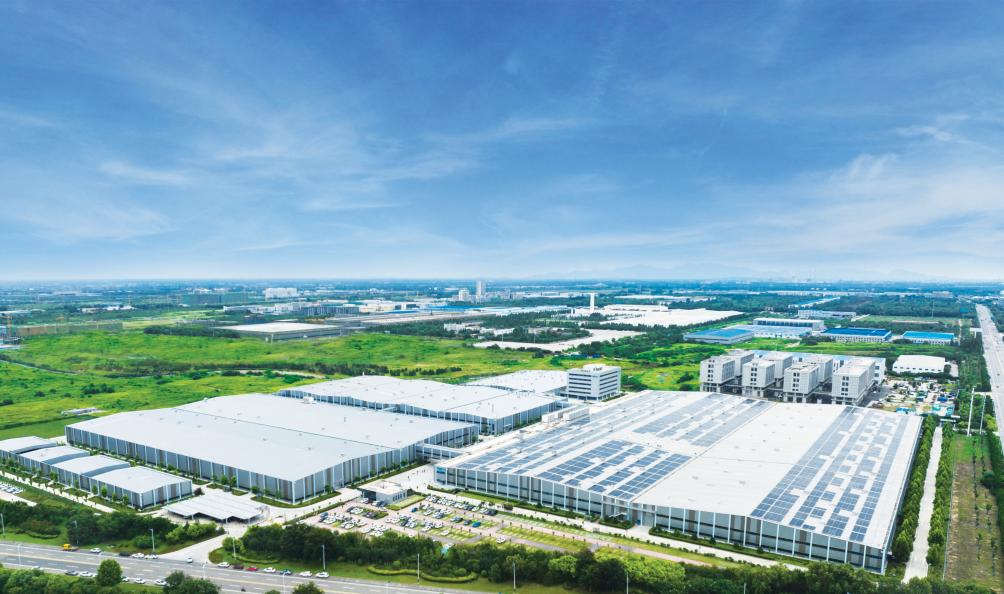
Producing a new-energy vehicle in the region can now take as little as four hours, with design and core software developed in Shanghai, battery systems installed in Anhui, final assembly completed in Jiangsu and in-car intelligent systems tested in Zhejiang.
The delta has emerged as China’s largest automotive manufacturing hub, accounting for nearly 40 per cent of the country’s new-energy vehicle output and more than a quarter of global production.
Standing as a striking contrast, the region has pressed ahead with a campaign to phase out outdated industrial capacity and tackle the pollution it left behind.
During the period, a total of 1,361 illegal docks have been dismantled, and more than 200,000 discharge outlets along the Yangtze have been standardised or closed, while more than 90 per cent of black and malodorous water bodies in county-level cities have now been brought under control.
Speaking at a press conference on Monday, Wang Changlin, deputy head of the NDRC, highlighted the progress the region has made.
Wang noted that while the economic belt accounts for roughly one-third of China’s energy consumption and carbon emissions, it generates close to half of the country’s GDP, underscoring its growing role as a leading test bed for environmentally prioritised, green development.
The official also told the press conference that NDRC vowed to accelerate the green transformation of traditional industries along the river, while fostering locally tailored green and low-carbon sectors.
“The Yangtze conservation drive has made a strong start, but its success will ultimately depend on sustained commitment,” Wang Yanxin told Xinhua.
“The next phase of Yangtze protection will hinge on better use of technology, closer coordination between pollution control and carbon reduction, and the development of market-based mechanisms for environmental governance.” – Xinhua


No third party should interfere in territory, maritime disputes: Chinese FM spokesperson


S&P Global Ratings' affirmation of China outlook reflects recognition of country's economic resilience

China aims to achieve breakthroughs in brain-computer interface technology by 2027


Rescue underway after mountain torrents leave 10 dead, 33 missing in NW China's Gansu

With independent customs operation, Hainan Free Trade Port poised to pioneer China's high-standard opening up


Xi urges all-out rescue efforts after Gansu mountain torrents cause heavy casualties


China activates Level-IV emergency response for flood control in 5 provincial-level regions


Across China: North China night market offers a cyberpunk feast for the eyes and the stomach


Think tank report highlights China's ecological governance innovation, global impact

Chinese scientists develop smart surveillance system to control mosquito-borne diseases


Letter from China: Robots take center stage at Beijing expo, pointing to tech revolution



China Focus: Paired assistance program improves access to quality health care for Xizang residents


Column: China-proposed global AI cooperation organization expected to narrow global tech gap


Factbox: China witnesses remarkable progress in data sector in 14th Five-Year Plan period



China urges Japan to be prudent on historical issues such as Yasukuni Shrine: spokesperson


Books of Xi's discourses on adhering to deepening reform comprehensively published


Chengdu World Games closes, highlighting inclusiveness, sustainability, innovation


Xinhua Headlines: Host city of 2025 World Games unfolds new vitality in opening wider to globe


Uzbek edition of "Xi Jinping: On Respecting and Protecting Human Rights" launched in Uzbekistan


China Focus: China's expanding national park system delivers breakthroughs in wildlife conservation


Xinhua Headlines: China's factories trade smoke for sustainability through green innovation

Xi urges concerted efforts for modernization when meeting representatives from across Xizang


Tourist train with elderly-friendly modifications departs from Harbin for grassland trip


Xinhua Headlines: Setting sail again from China, SCO charts course for shared future


Xinhua Headlines: Expo facilitates smart, green cooperation between China, Arab states


Update: China int'l trade representative holds talks with U.S. officials, business representatives


(V-Day) Xi Focus: Xi hails "unstoppable" national rejuvenation at V-Day commemorations

Xi Focus: Xi addresses V-Day reception, stressing justice, peace, people's strength

Commemorative stamps issued to mark 80th anniversary of victory against Japanese aggression, fascism


Xinhua Headlines: Xi makes three proposals at virtual BRICS Summit to cement solidarity, advance cooperation


Solar panels light the way to rural revitalization in China's Qinghai-Tibet Plateau


Over 2,000 exhibitors join expo highlighting vitality of China's culture, tourism industries


Sand control projects launched to improve ecological environment of Kubuqi Desert in Inner Mongolia




China Focus: 2,200-yr-old engraved stone discovery illuminates Chinese civilization on


Xinhua Commentary: Free trade, AI make China-ASEAN economic cooperation closer, more fruitful


Major Xinjiang port handles over 7,000 China-Europe freight train trips this year

SichuanMosaics | First mountain and lake circling festival of Lugu Lake kicks off in SW China's Sichuan

China's V-Day commemorations enhance confidence in advancing national rejuvenation: Xi


China's Hani terraces illustrate the Chinese philosophy of living in harmony with nature


Xinhua Headlines: Chinese commemorate outbreak of war against Japanese aggression with hopes for peace

Explainer: Why the September 18th Incident was a key event in the World Anti-Fascist War


Economic Watch: U.S. high-tech firms upbeat about manufacuture investment in China


Xinhua Headlines: Jingdezhen: China's ancient porcelain capital turns young and chic


Xi leads central delegation to Urumqi for 70th anniversary of Xinjiang Uygur Autonomous Region


South China's Guangdong raises emergency response to highest for approaching typhoon

Xi's Album | Xi leaves for Beijing after attending celebrations for Xinjiang Uygur Autonomous Region's 70th founding anniversary

Xi attends grand gathering in celebration of Xinjiang Uygur Autonomous Region's 70th founding anniversary


13th China (Mianyang) Science and Technology City Int'l High-Tech Expo opens in China's Sichuan


Xinhua Headlines: World's highest bridge opens to traffic in China's mountainous southwest


China Focus: Million-year-old skull from central China rewrites human evolution timeline


Update: China expected to handle 2.36 billion passenger trips in upcoming holiday


Update: China's water conservancy investment to exceed 5.4 trln yuan during 2021-2025 period



China Focus: Honoring WWII victory, China gains strength for national rejuvenation
GLOBALink | African attendees to internet forum seek deeper cooperation with China

China Focus: Innovative cultural tourism heats up China's eight-day holiday market
China's transportation network sees travel peak on 1st day of National Day holiday
China achieves milestone in compact fusion project with key component installation

Xinhua Headlines: From logging to guardianship: How China protects green source of its

China's 2025 box office surpasses 2024's full-year gross, with local films dominating

GLOBALink | Global insiders discuss circus arts and performance in China's circus festival

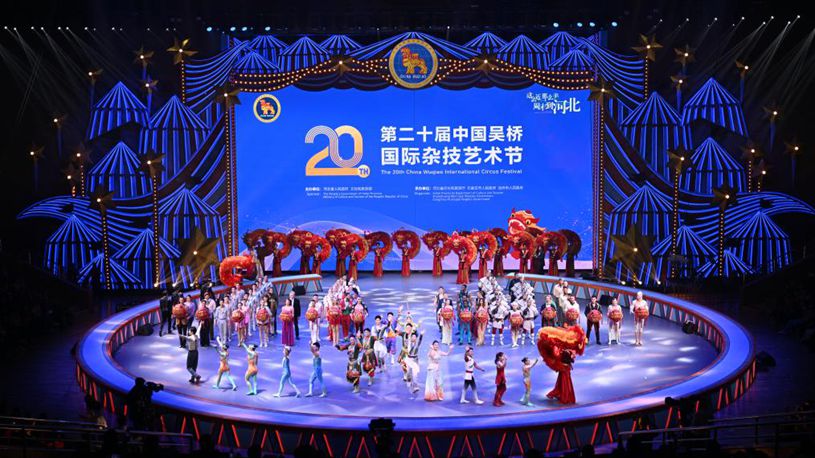
Xinhua Headlines: How small county in north China becomes magnet for global acrobats
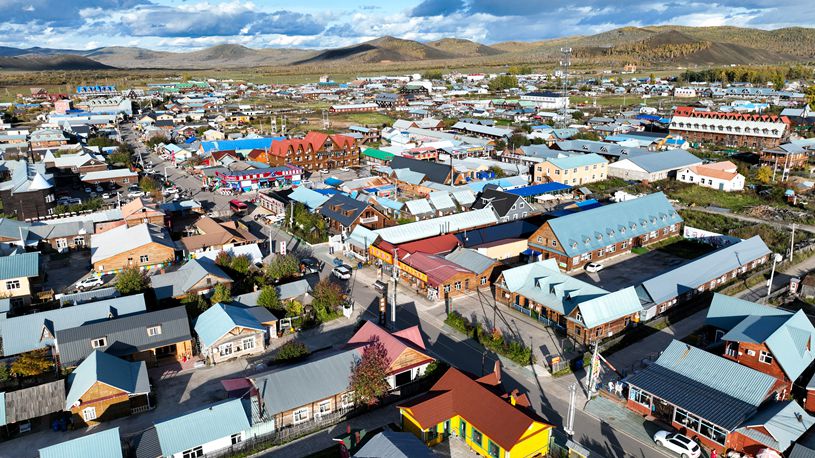
Enhe Village in China's Inner Mongolia draws tourists with blend of Chinese-Russian culture

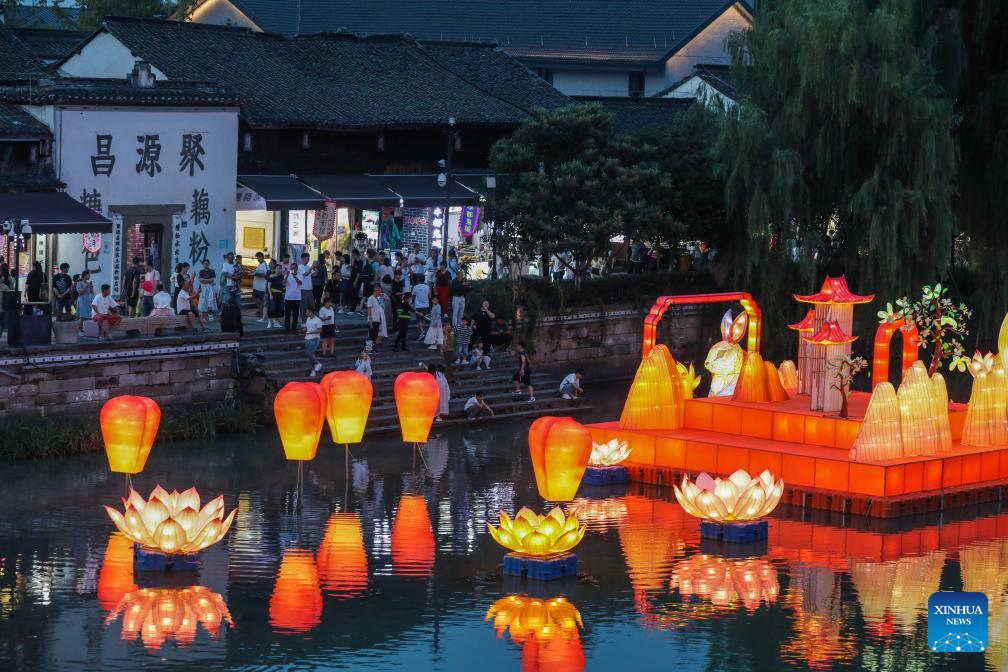
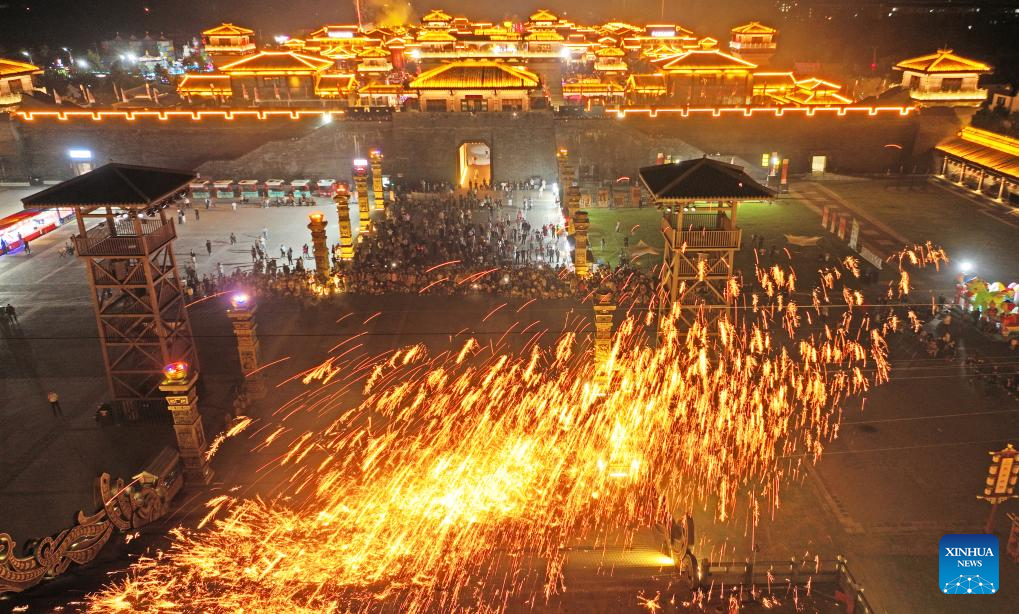
Tourist destinations across China see surge in visitors during National Day holiday



Economy&life | Eight-day holiday in China sees unprecedented people flows, consumption nationwide


Xinhua Headlines: Gaza conflict -- Two years of devastation and dim prospects ahead

60"FlyOverChina | Nature's red carpet unrolled: Biodiversity haven in Shandong's coastal wetlands



Xinhua Headlines: Surge in Chinese holiday travelers boosts European tourism, cultural exchanges

China logs 2.4 billion cross-regional passenger trips during holiday travel surge







Column: From Beijing to Beijing: 30 years on, the song of women's empowerment rings clearer and louder


Participants attend opening ceremony of Global Leaders' Meeting on Women in Beijing

China Focus: 2,300-year-old Chinese silk manuscripts finally return home after decades abroad



Xinhua Commentary: More joint action needed to promote women's development worldwide

Across China: Beyond the steel span -- world's highest bridge uplifting China's mountainous southwest

Economic Watch: China's core inflation hits 19-month high, signaling firmer domestic demand
Explainer: How China fosters growth, innovation amidst global uncertainties through past Five-Year Plan




Xinhua Headlines: China's economy shows stable growth trend with positive factors accumulating





Xinhua Headlines: CPC plenum concludes, adopting recommendations for China's 15th Five-Year Plan


Chinese scientists make breakthroughs in longer-lasting, safer solid-state batteries


Chinese, African experts join force to advance collaboration on food security, agricultural modernization


Xinhua Headlines: Charting a new chapter for Asia-Pacific development through unity, responsibility


Economic Watch: FAW-Volkswagen marks 30 millionth car as China's auto confidence grows


Xi says China ready to work with Japan to build constructive, stable bilateral relations

Xi says China ready to strengthen synergy of development strategies with Thailand, share development experience in new era


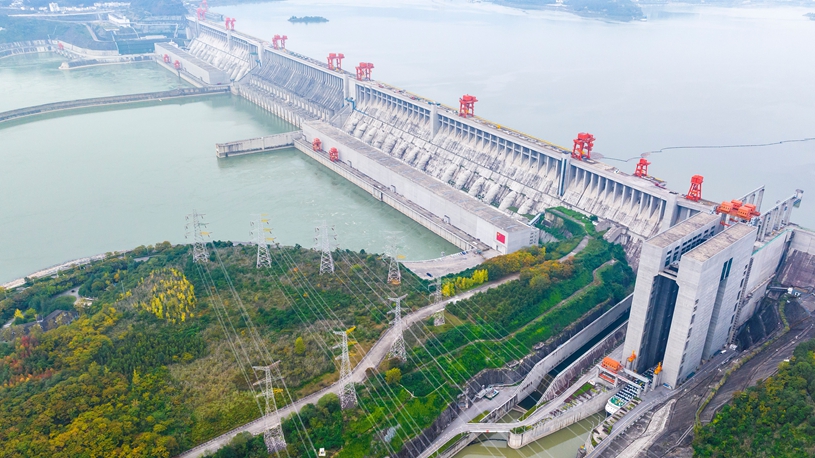
Three Gorges project generates over 423 bln kWh of electricity in past five years




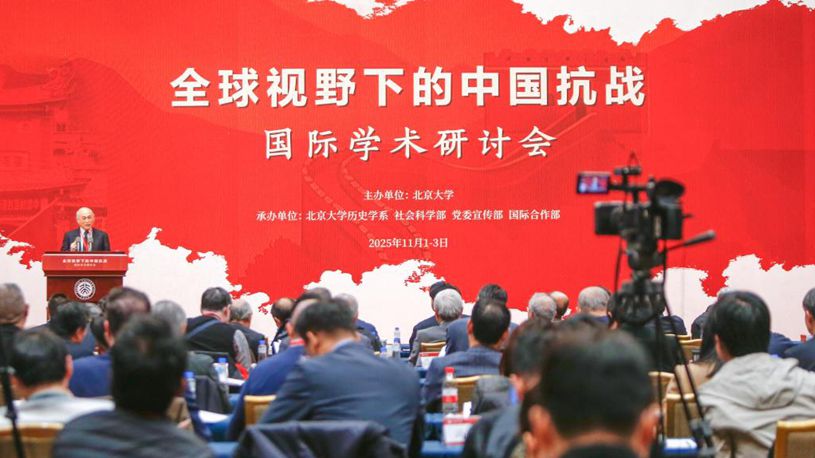
GLOBALink | Scholars explore global perspective on China's war of resistance against Japanese aggression
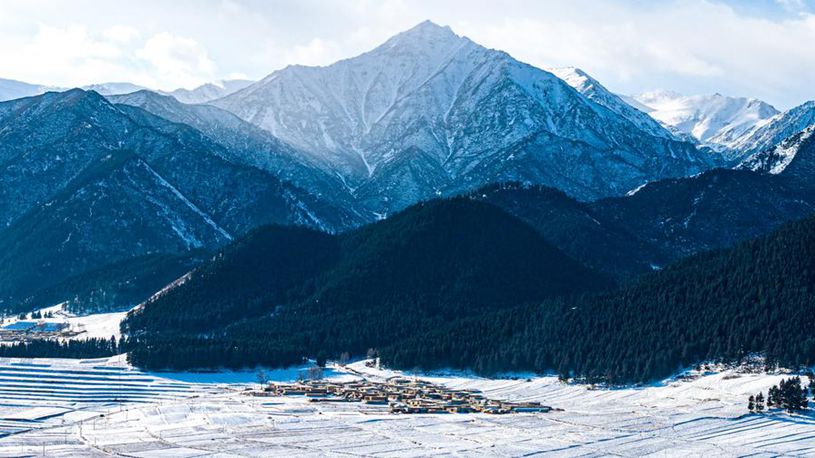
Chinese scientists conduct detailed analysis of key water source in Qinghai-Tibet Plateau


China’s manufacturing continues to fuel global industry growth, promote sustainability


From Xinjiang’s desert to economic hubs: A power expressway that lights up both ends


From apothecary to Americano, traditional Chinese medicine turns into a lifestyle add-on


China, Germany to Embrace more Opportunities in Economic, Trade Operation: Chinese Premier

Ambassador Chen Shaochun visits Pai Yuek School, Temburong and attends the Ramadhan Donation Ceremony
Xinhua Headlines: Pocket parks drive urban renewal, eco-improvement efforts in China

China's expanding aviation capabilities "a very positive development," says Airbus executive

What makes China's Jingdezhen Handicraft Porcelain Industry Sites a landmark UNESCO World Heritage entry

Xinhua Headlines: Traditional Chinese culture fuels immersive summer travel fervor


Chinese business delegation holds discussions with U.S.-China Business Council, member companies




Xinhua Headlines: China's botanical garden bridges borders for biodiversity conservation
China Focus: Shenzhou-21 crew makes first public appearance after record 210-day space mission


Update: China's latest high-tech "trio" fueling export growth as innovation accelerates

Xinhua Headlines: China steps up nationwide fitness campaign to promote public health

Xinhua Headlines: Riding Asia-Pacific momentum: China, ASEAN chart new course for regional development


Xinhua Headlines: African exporters reap early benefits of China's zero-tariff treatment




Xinhua think tank report highlights global significance of China's ecological code


Xinhua Headlines: How flutters of great little birds weave together Asia-Pacific community






China Focus: China opens exhibition to preserve, bring linguistic diversity to life

Xinhua Headlines: Robot events in China highlight accelerating embodied intelligence innovation through industrial application

Xinhua Headlines: China's anti-desertification solutions contribute to a greener world

FOCUS | Rescuers make all-out efforts to conduct sweeping search at mudslide-stricken Gyirong Port
Xinhua Headlines: Xi kicks off state visit to Kyrgyzstan, hailing "golden period" of cooperation
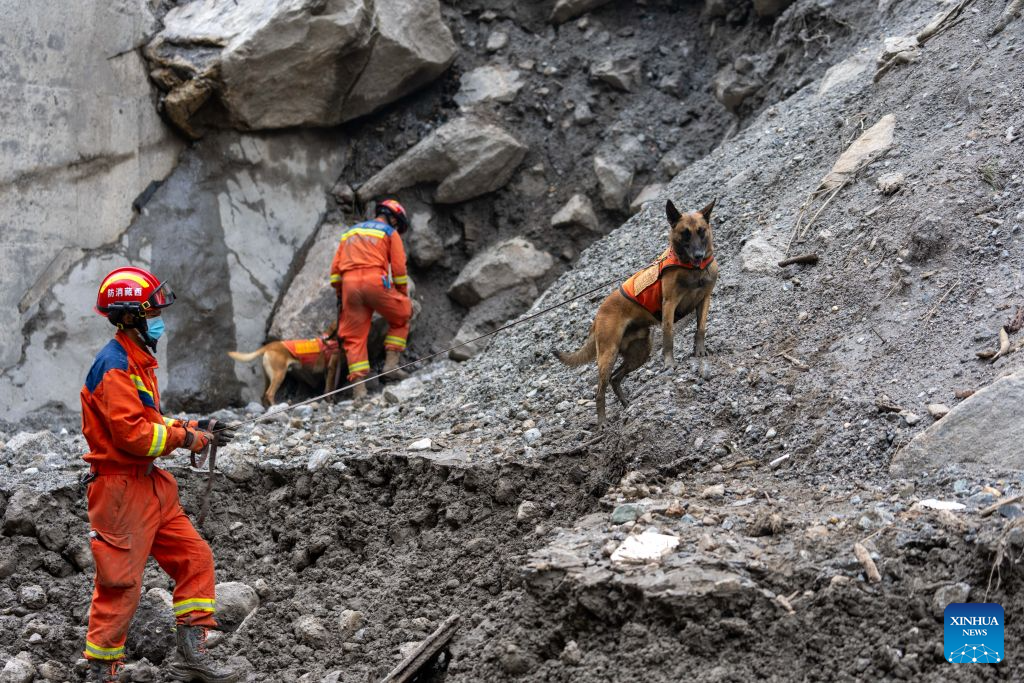
Rescuers race against time and odds in search of survivors at mudslide-hit Gyirong Port
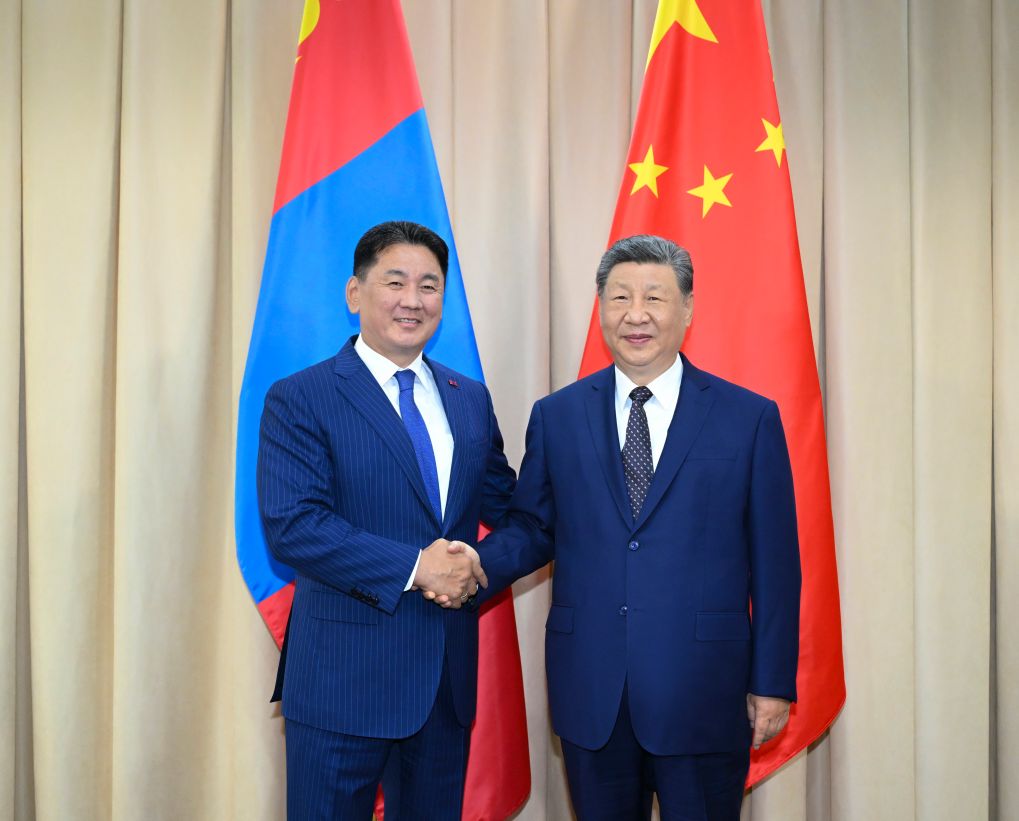
China ready to advance hand in hand along path of modernization with Mongolia, says Xi
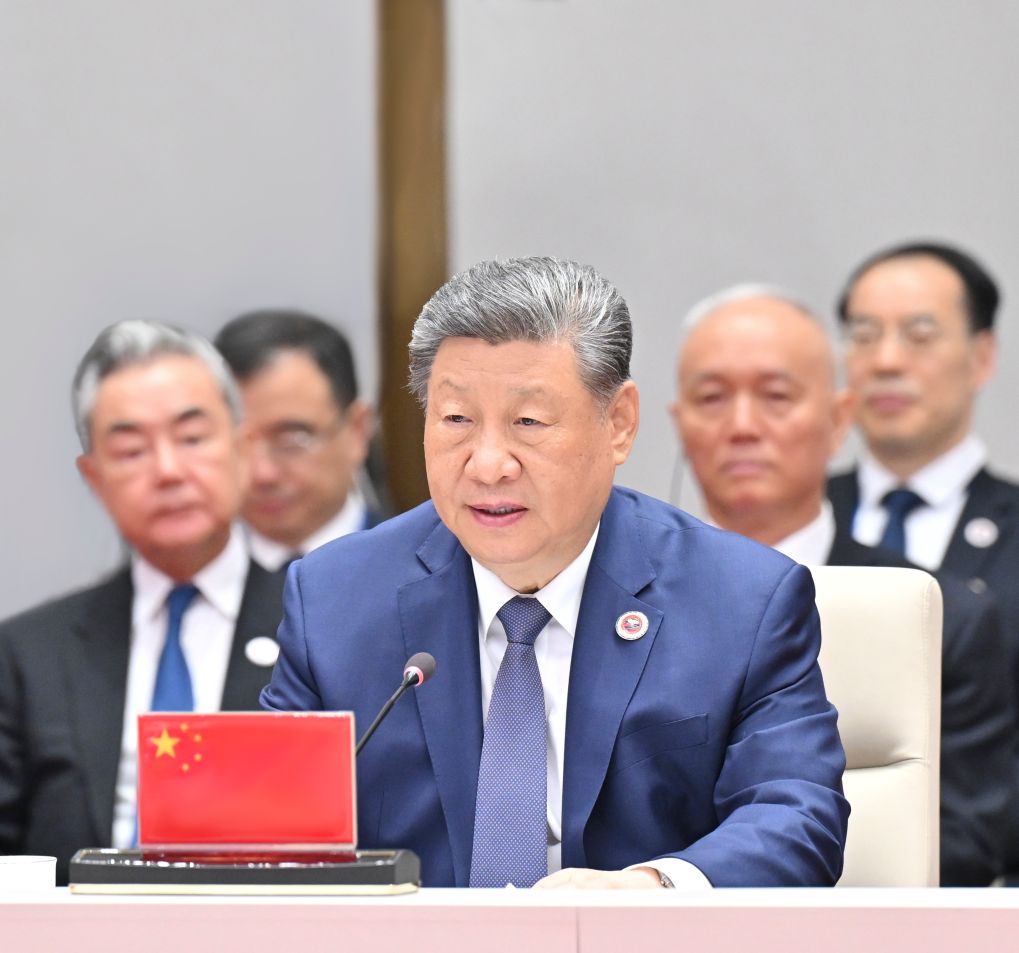
Xinhua Headlines: Xi calls for SCO to strive for higher quality development, promote better global governance
Xinhua Headlines: Xi calls for deepening China-Egypt cooperation, raises Mideast proposal

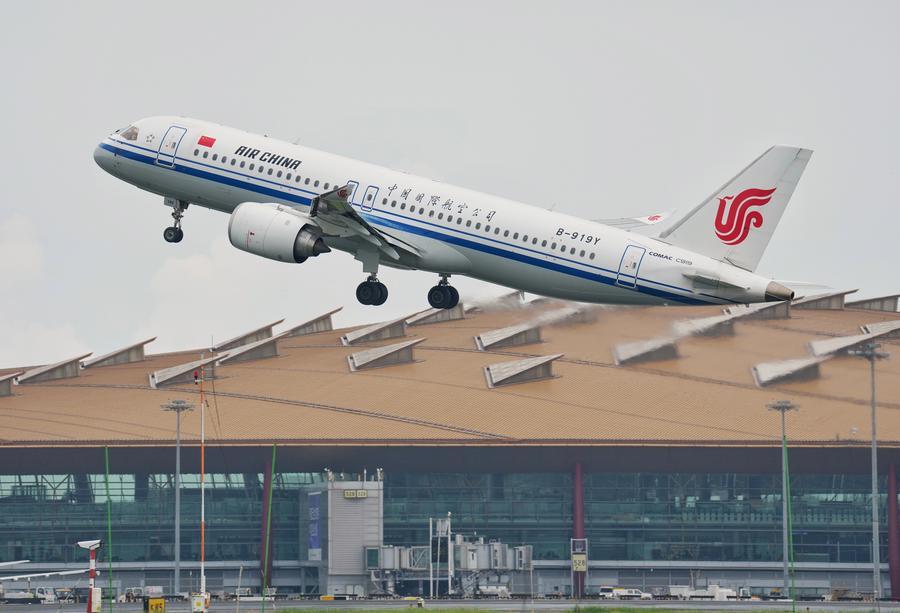
Xinhua Headlines: Direct Beijing-Bucharest-Zagreb flight opens new gateway to Central, Eastern Europe
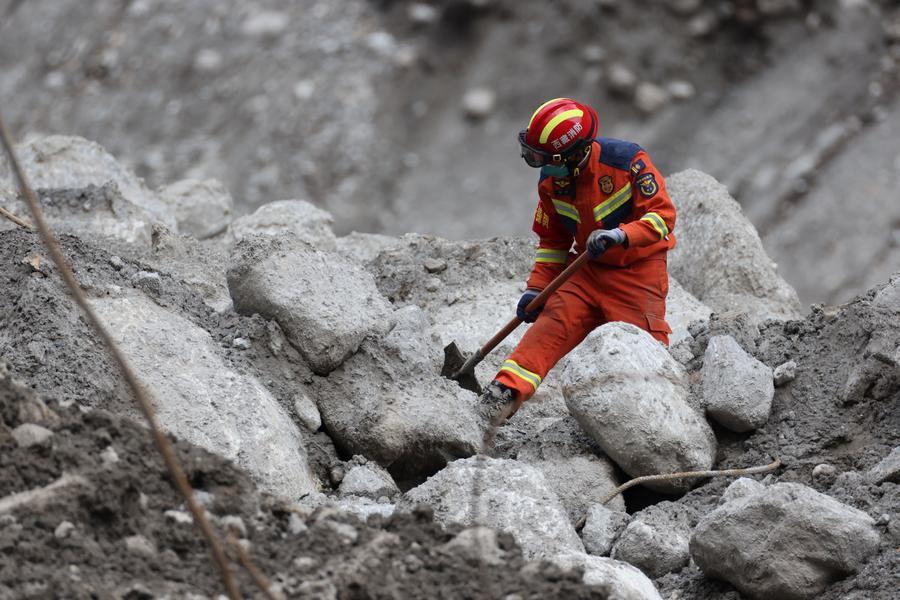
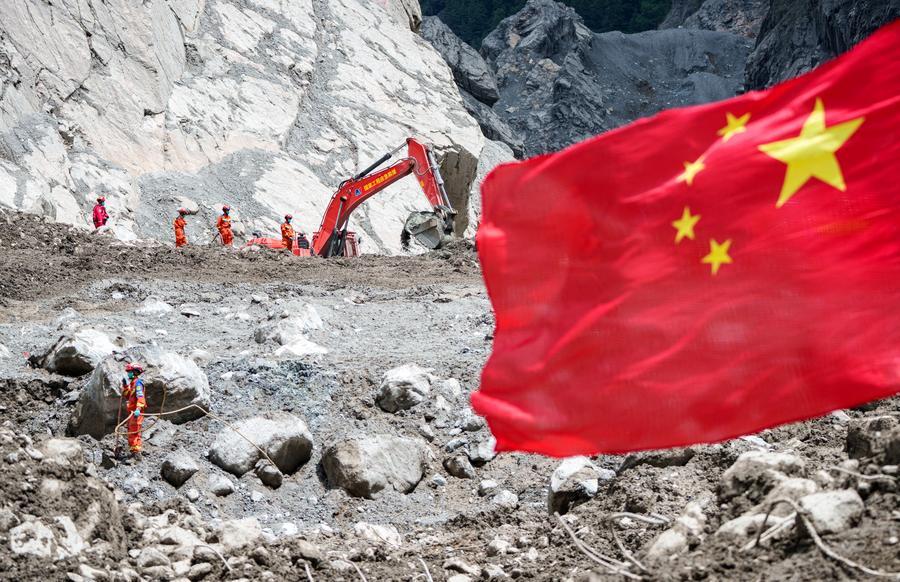
Factbox: Latest relief and rescue progress at mudslide-hit border port in China's Xizang
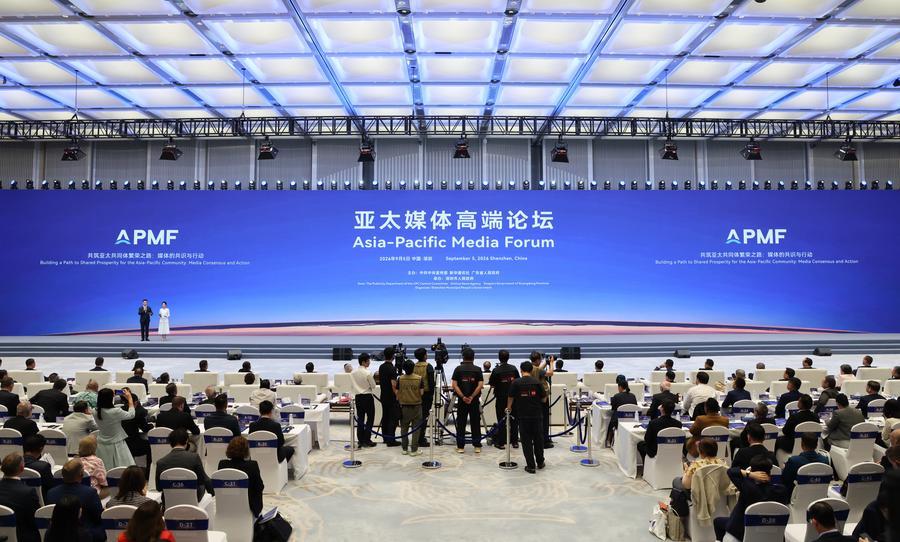
Xinhua Headlines: Asia-Pacific media vow responsibility, champion own voice in AI era

Hong Kong, Macao students interact with Shenzhou-23 crew from orbit during "Tiangong Class"
Xinhua Headlines-Xi Focus: Beyond classrooms: Xi inspires teachers to nurture talent for national rejuvenation

China's AI advances, inclusive governance approach gain global significance, says Polish scholar

MasterOfCrafts | Whispers of Chinese characters on ceramic glaze: A ceramic micro-calligraphy inheritor's story
Xi, Modi conduct in-depth exchange of views, agree China, India should be partners

Xinhua Headlines: Xi urges BRICS to stand on right side of history, play pioneering role



China issues world's first medical-device standard for AI-powered brain-computer interfaces
Xinhua Headlines: Beyond expo floor, AI opens new frontiers in China-ASEAN cooperation







Comments (0)
No comments yet. Be the first to comment!
Leave a Comment