

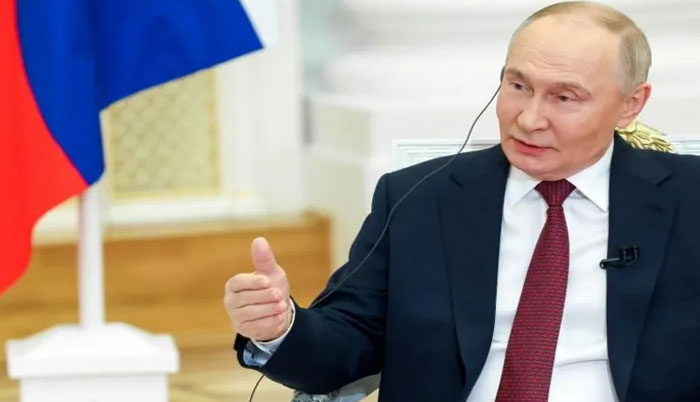
Vladimir Putin may have a reputation among some as a ruthless autocrat, a master manipulator of the international scene. But one thing Russia's president does not have is a poker face.
The late US Senator John McCain used to joke that when he looked into Putin's eyes, he saw three things, "a K and a G and a B", a reference to his past life as a Soviet intelligence officer.
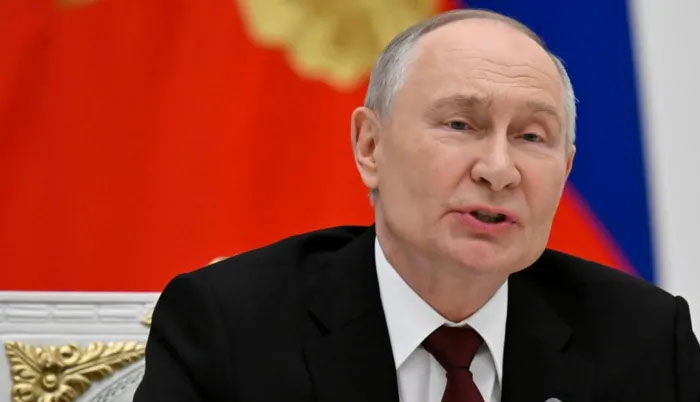
I thought of this as I watched footage of Russia's leader sitting opposite American envoys in the Kremlin. He could not hide his emotions; he exuded an air of supreme confidence.
For President Putin reckons the diplomatic tide has turned in his favour, with an improved relationship with America and gains on the battlefield.
Some analysts say Putin has no incentive to retreat from his demands: that Ukraine gives up the last 20% of Donetsk it still controls; that all occupied territory is recognised internationally as Russian; that Ukraine's army is curtailed to a point of impotence; and Nato membership is ruled out forever.
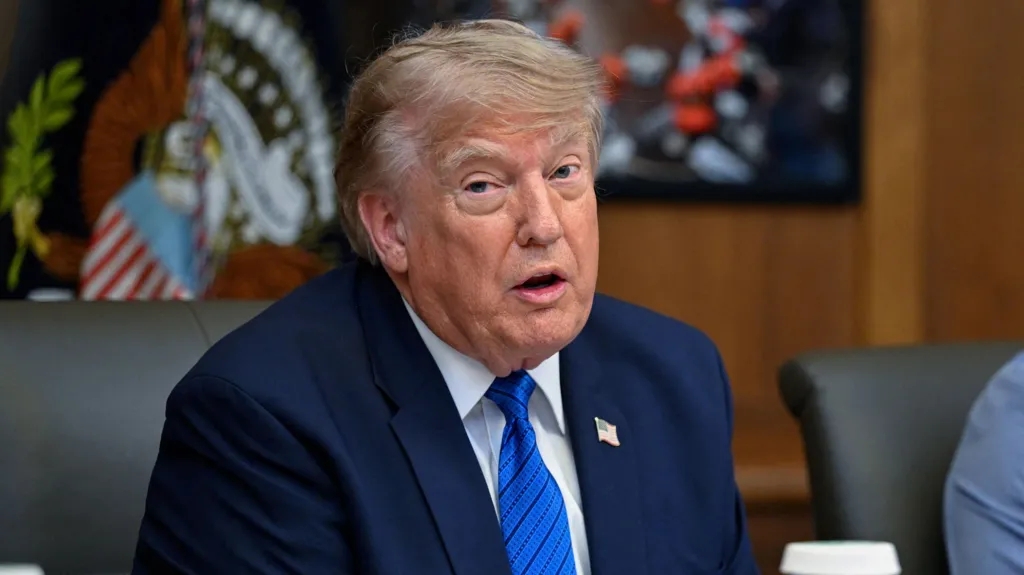
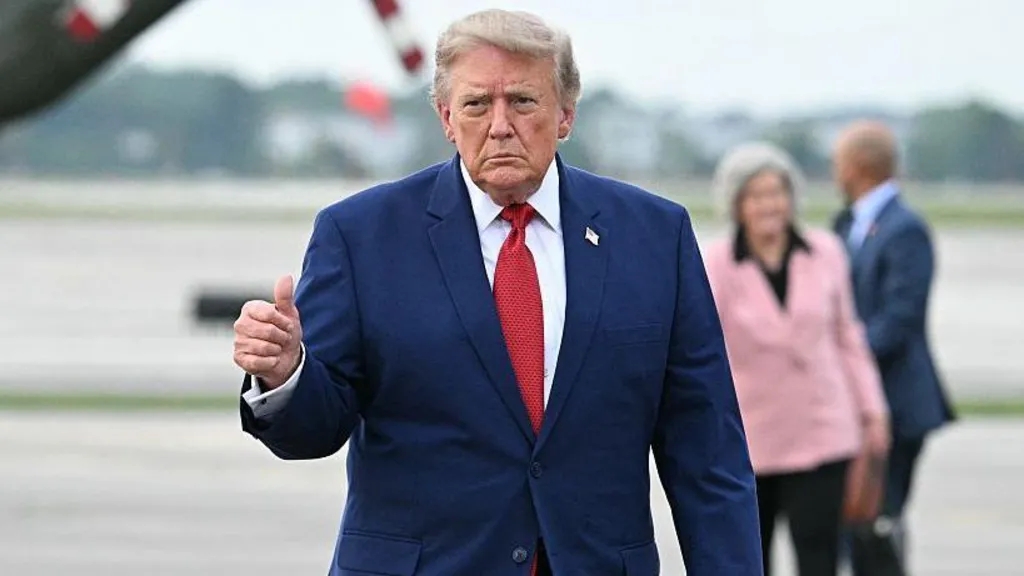
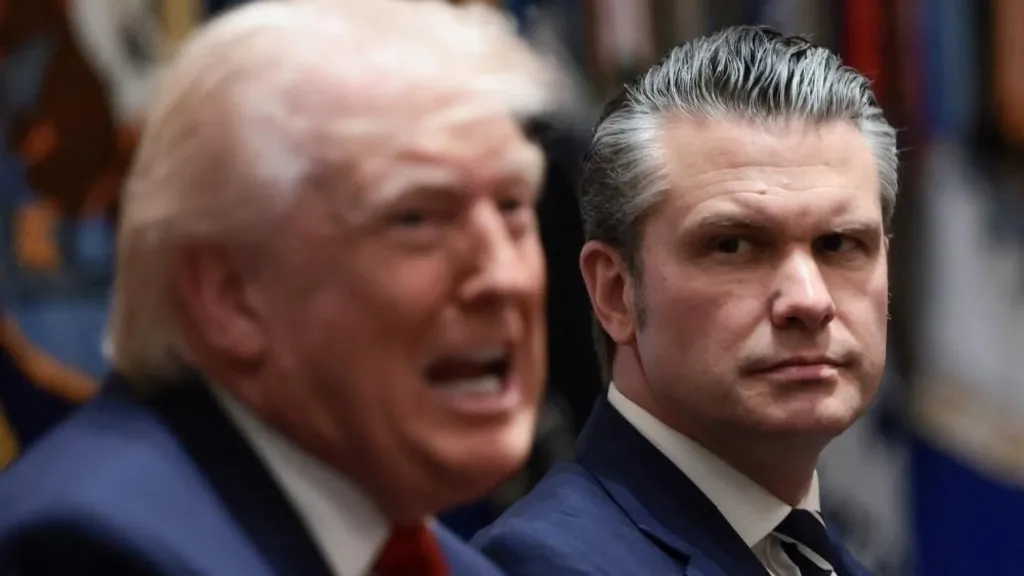
As things stand, there are a few possible scenarios. The first is that US President Donald Trump may try to force Ukraine into a ceasefire on terms unwelcome to its people, one that cedes territory and lacks sufficient security guarantees to deter future Russian aggression.
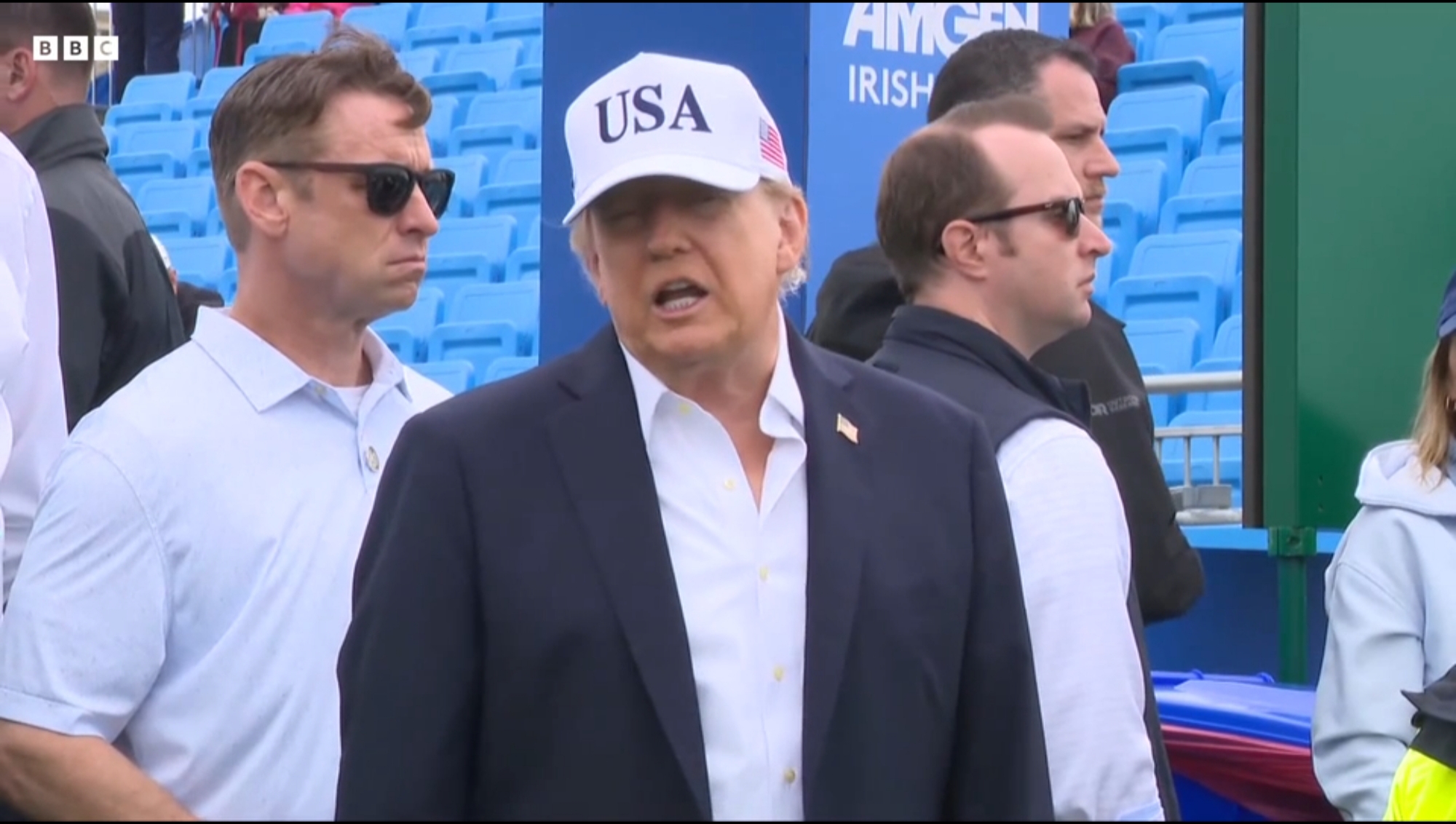
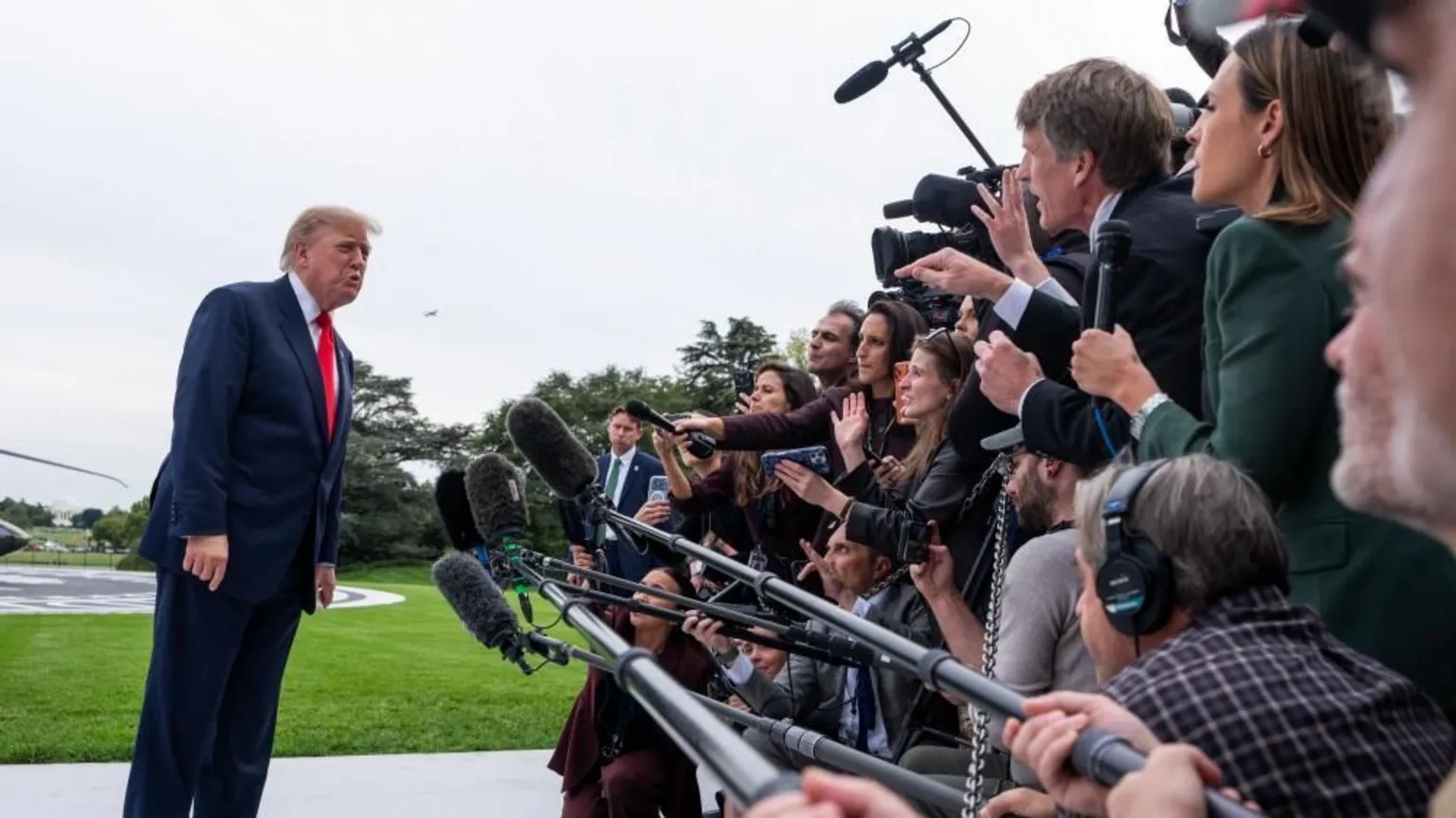
If Ukraine demurs or Russia vetoes, President Trump has hinted he could wash his hands of the war; last week, he said "sometimes you have to let people fight it out".
He could remove the vital US intelligence Ukraine needs to detect incoming Russian drones and target Russian energy facilities.
Another possibility is that the war could just stumble on with Russia's forces continuing to make slow advances in the east.
The Trump administration's new national security strategy implied that Russia is no longer an "existential threat" to the US, and urged the US to "re-establish strategic stability" with Russia.
So, with American support for Ukraine in serious question, what - if anything - could potentially change Putin's mind? And what else could Ukraine, Europe and even China, do differently?
Mr Giles said: "The only thing that will unarguably, undeniably stop Russian aggression is the presence of sufficiently strong western forces where Russia wants to attack, and the demonstrated will and resolve that they will be used to defend."
This strategy would of course come with huge political difficulty - with some voters in western Europe unwilling to risk a confrontation with Russia.
Few analysts expect Ukraine to reverse the tide and make actual territorial gains of its own.
Having spent several weeks in Ukraine recently, I heard no mention of any Spring offensive, only the need to slow Russia's advance and increase the price it pays in blood and treasure.
Some western diplomats claim Russia's generals are lying to the Russian president, pretending the situation on the ground is better than it is - adding to what they see as a deliberate strategy to exaggerate Russian gains, designed to suggest Ukraine is on the back foot and should thus sue for peace.
According to Thomas Graham in Foreign Affairs, in this year, Russia has seized only 1% of Ukrainian territory at a cost of more than 200,000 dead and wounded.
Fiona Hill, senior fellow at the Center on the United States and Europe at the Brookings Institution, who served on Trump's national security council during his first term, says the biggest thing Putin has in his favour is that many people believe Ukraine is losing.
"Everyone is talking of Ukraine as the loser when it now has the most potent military in Europe," she says.
"Just think what they have done to Russia. It is remarkable they have held off for so long not least fighting with one hand behind their back."
Trade, sanctions and Russia's economy
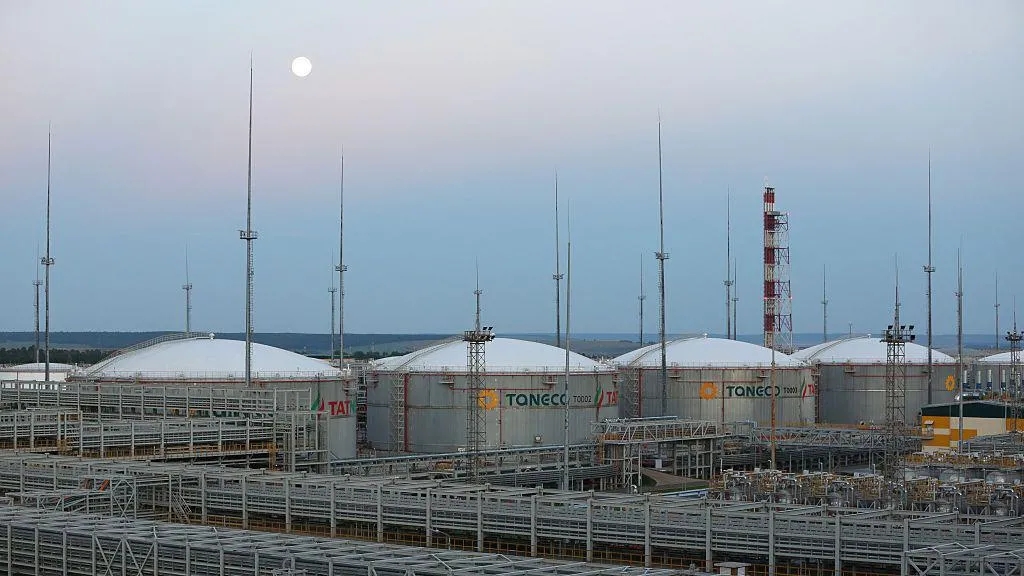
Then there's the lever of sanctions. Certainly, Russia's economy is suffering. Inflation at 8%, interest rates 16%, growth slowed, budget deficits soaring, real incomes plunging, consumer taxes rising.
A report for the Peace and Conflict Resolution Evidence Platform says Russia's war economy is running out of time. "The Russian economy is substantially less able to finance the war than it was at the beginning of it in 2022," the authors say.
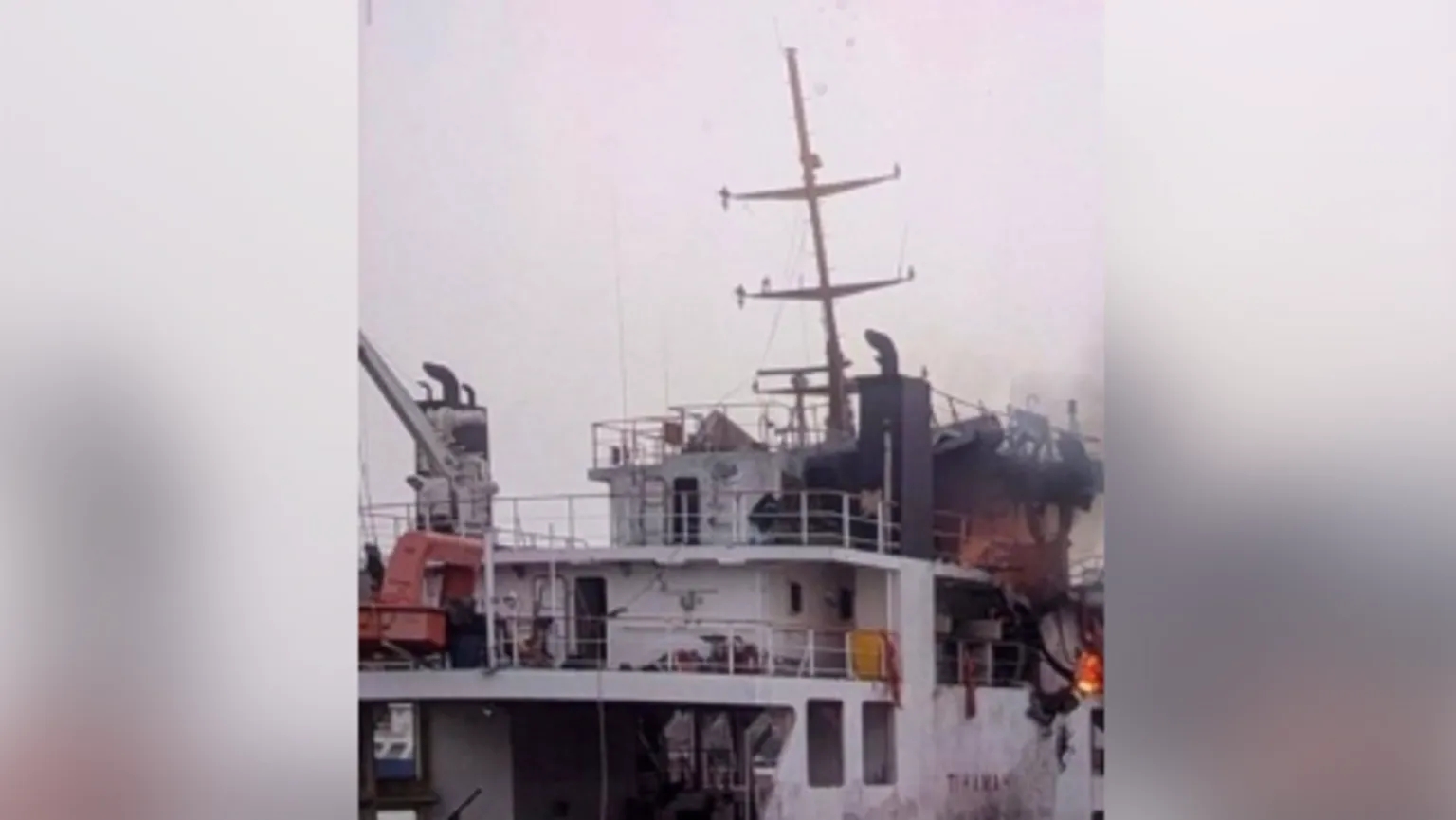
But so far none of this appears to have changed much Kremlin thinking, not least because businesses have found ways of evading restrictions, such as transporting oil on unregistered ghost ships.
Others argue European troops could be deployed to western Ukraine to help patrol borders, freeing up Ukrainian soldiers to fight on the front line. Most proposals such as this have been rejected for fear of provoking Russia or escalating the conflict.
Keir Giles, senior consulting fellow at the Russia and Eurasia programme at Chatham House think tank, said these fears were based on "nonsense" because Western troops were already present on the ground and Sky Shield could be deployed in western Ukraine with little chance of any clash with Russian aircraft.
European leaders, in his view, had to "insert themselves into the conflict in a manner that will actually make a difference".











'I will never let your legacy die' - Charlie Kirk's widow gives tearful address after shooting






One hellscape to another: Gazans tell of dire conditions in Israeli-declared humanitarian zone


Israeli forces near Gaza City centre as Hamas reportedly prepares for street-to-street fighting






Soldiers threaten to seize state TV in Madagascar, presidency says, amid warnings of coup attempt


Israeli hostages and Palestinian detainees freed as Trump hails 'historic dawn' in Middle East


Israeli military's top lawyer resigns over leak of video allegedly showing abuse of Palestinian detainee




Israeli military's ex-top lawyer arrested over leak of video allegedly showing Palestinian detainee abuse




Bondi gunmen threw explosives at start of attack and practised shooting weeks before, police allege


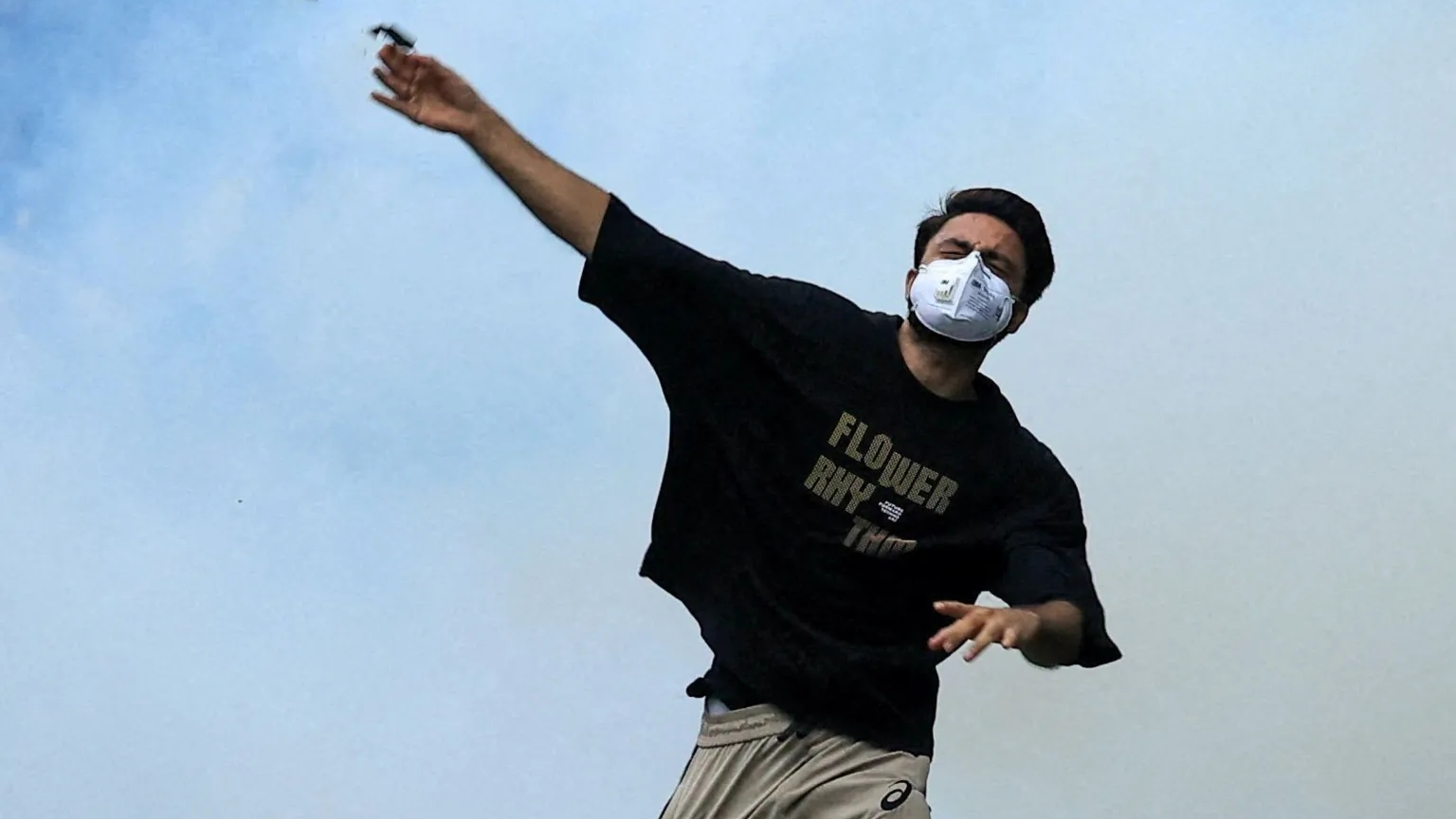

CJP protest: India's 'Cockroach' protesters have wounds consistent with pellet-gun fire, experts say



Iran says it is in talks with Oman but not the US after Trump says negotiations to resume







Ethiopia's Addis Standard: Editor of top independent news site seized by police, publisher says






















Israel confirms soldiers fired at car in which Hind Rajab was killed and opens criminal investigation




UK, Canada and Australia condemn Israel for refusing criminal probe into aid worker killings in Gaza


Iran faces 'greatest financial offensive ever', says US Treasury Secretary Scott Bessent


Chinese-Eswatini relations: China advises its citizens to leave Taiwan ally over security risks







Iran says US strike killed four at wedding in 'war crime' as US denies targeting civilians







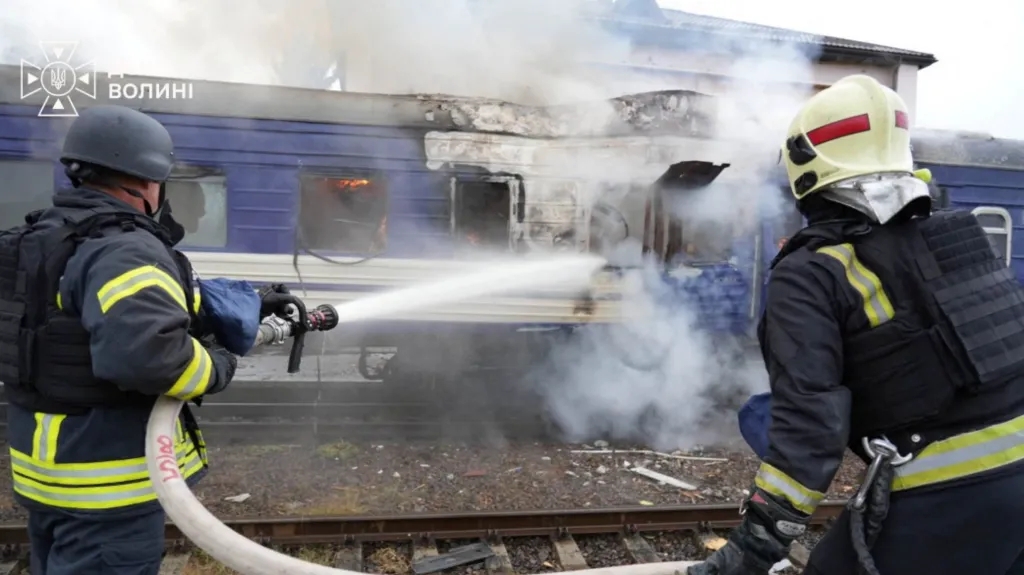
Russia hits Ukrainian train shortly after Boris Johnson and top European officials leave station






German state elections: Chancellor Friedrich Merz vows to stay on despite 'disaster' in polls



Trump threatens to 'annihilate' Iran in UN speech as officials from both countries meet on sidelines

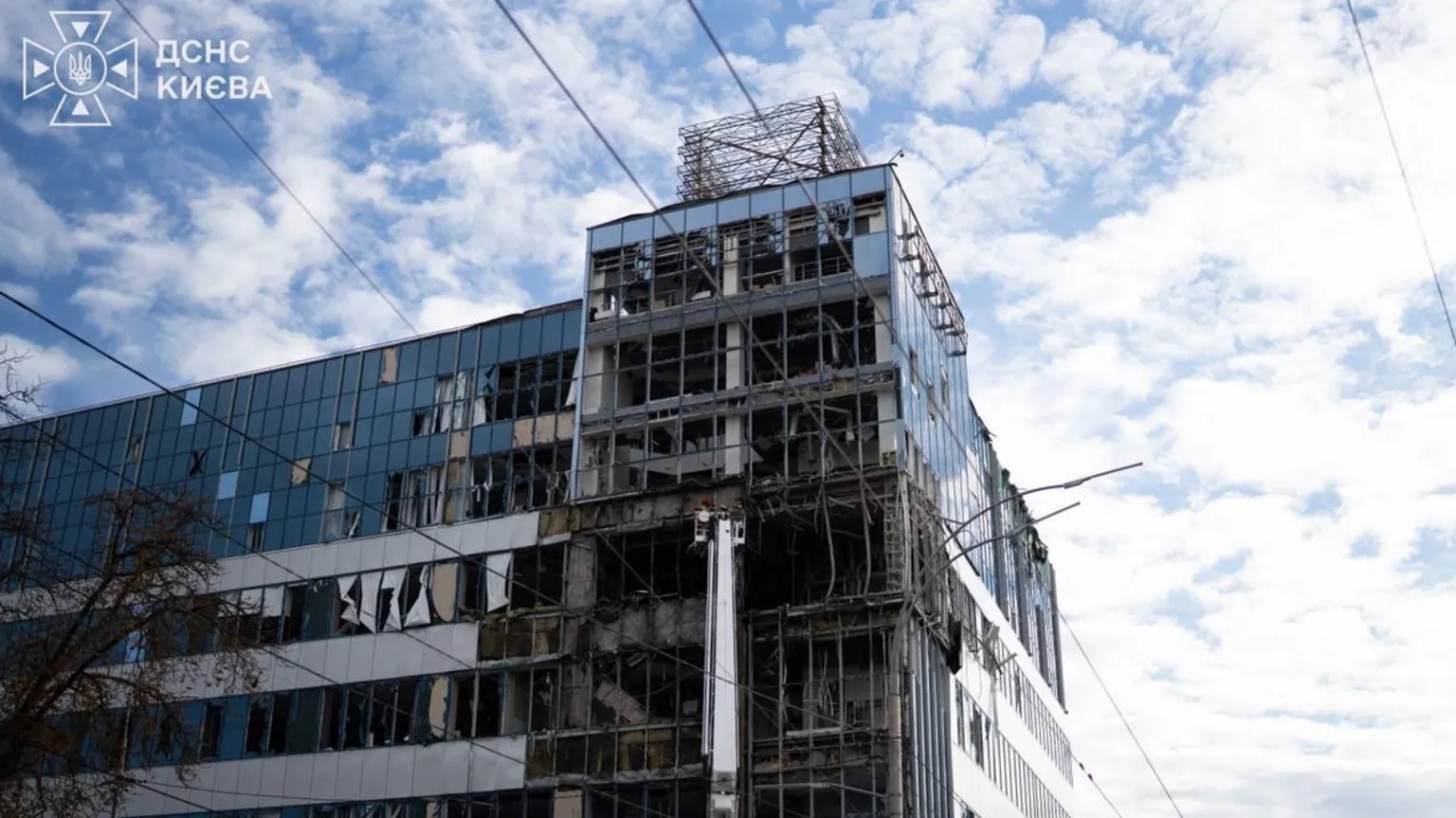
Russia-Ukraine war: Moscow targeting 'ordinary life' with attacks on data centres, Zelensky says













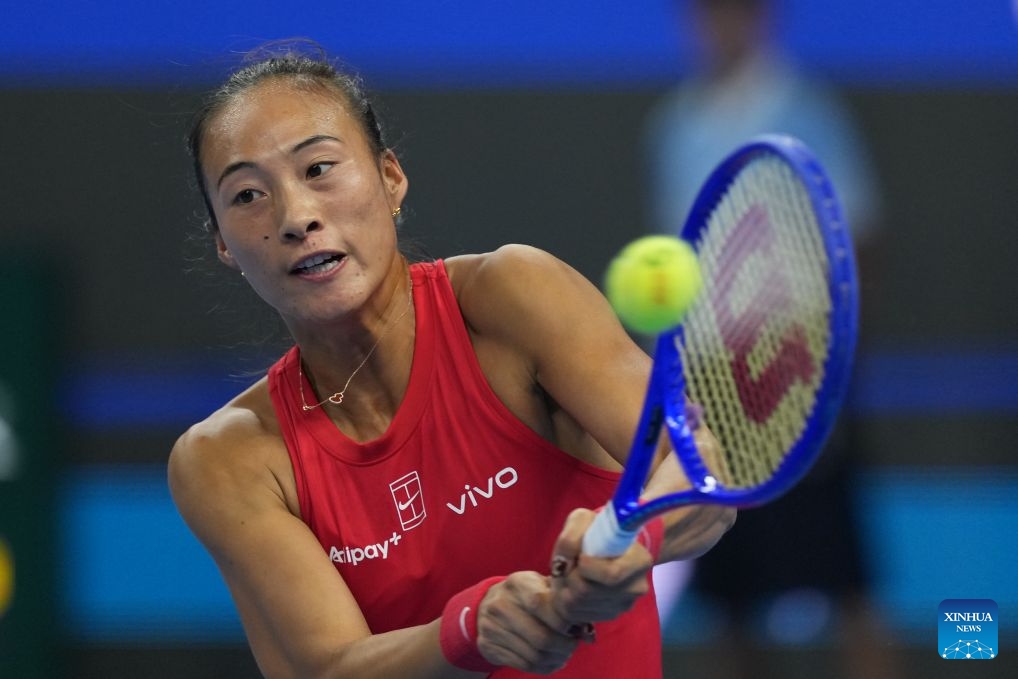
Urgent: Zheng Qinwen claims maiden WTA 1000 title at China Open



Comments (0)
No comments yet. Be the first to comment!
Leave a Comment