

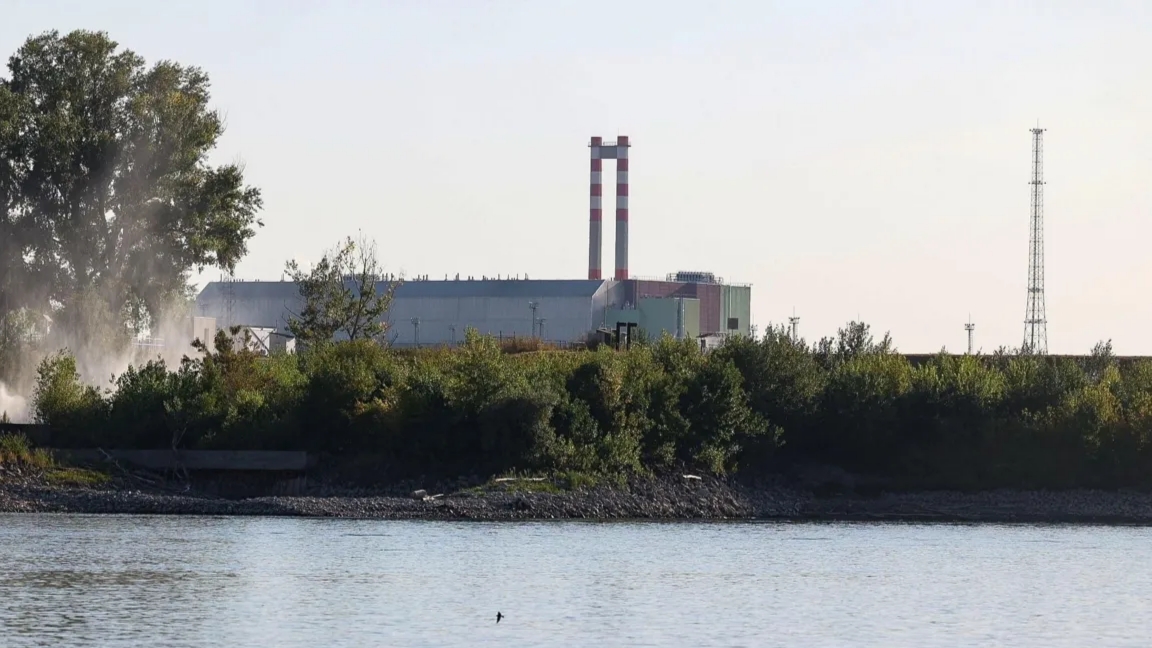
A French nuclear plant temporarily shut down on Monday due to a "massive and unpredictable presence of jellyfish" in its filters, its operator said.
The swarm clogged up the cooling system and caused four units at the Gravelines nuclear power plant to automatically switch off, energy group EDF said.
The site in northern France was shut after the incident, with its remaining two units already down for maintenance.
EDF said there had been "no impact on the safety of the facilities, the safety of personnel, or the environment".
It added that the fish were found "in the non-nuclear part of the facilities".
"The plant teams are mobilised and are currently carrying out the necessary diagnostics and interventions to be able to restart the production units safely," EDF said in a statement.
About 70% of France's electricity comes from nuclear energy, according to the World Nuclear Association (WNA), and Gravelines is one of the country's largest power plants.
Situated between Dunkirk and Calais, its six units each produce 900 megawatts of power.
It is cooled from a canal connected to the North Sea - where several species of jellyfish are native and can be seen around the coast when the waters are warm.
According to nuclear engineer Ronan Tanguy, the marine animals managed to slip through systems designed to keep them out because of their "gelatinous" bodies.
"They were able to evade the first set of filters then get caught in the secondary drum system," he told the BBC.
Mr Tanguy, who works at the WNA, said this will have created a blockage which reduced the amount of water being drawn in, prompting the units to shut down automatically as a precaution.
He stressed that the incident was a "non-nuclear event" and more a "nuisance" for the on-site team to clean up.
For local people, there would be no impact on their safety or how much energy they could access: "They wouldn't perceive it as any different to any other shut-down of the system for maintenance."
Jellyfish have caused similar problems at power stations in the past, including at the Torness nuclear plant in 2011 and Sweden's Oskarshamn plant in 2013, but such cases are rare.
Jellyfish expert Ruth Chamberlain said the incident was unsurprising given the scorching temperatures western Europe has seen this summer.
Not only are jellyfish at their most active in the warmer months, she said, but hot weather increases plankton levels at the water's surface, drawing the fish "up from the depths".
The marine biologist added that most jellyfish are "very weak swimmers", meaning they would have struggled to steer clear of the plant's cooling system.
"They rely on the flow of water, the current... it's not like if they get stuck on something they can swim off."
SOURCE/AUTHOR : Maia Davies - BBC News
Venues















'I will never let your legacy die' - Charlie Kirk's widow gives tearful address after shooting








One hellscape to another: Gazans tell of dire conditions in Israeli-declared humanitarian zone







Israeli forces near Gaza City centre as Hamas reportedly prepares for street-to-street fighting







































Soldiers threaten to seize state TV in Madagascar, presidency says, amid warnings of coup attempt


Israeli hostages and Palestinian detainees freed as Trump hails 'historic dawn' in Middle East


Israeli military's top lawyer resigns over leak of video allegedly showing abuse of Palestinian detainee







Israeli military's ex-top lawyer arrested over leak of video allegedly showing Palestinian detainee abuse










Bondi gunmen threw explosives at start of attack and practised shooting weeks before, police allege



























CJP protest: India's 'Cockroach' protesters have wounds consistent with pellet-gun fire, experts say













Iran says it is in talks with Oman but not the US after Trump says negotiations to resume












Ethiopia's Addis Standard: Editor of top independent news site seized by police, publisher says



































Israel confirms soldiers fired at car in which Hind Rajab was killed and opens criminal investigation







UK, Canada and Australia condemn Israel for refusing criminal probe into aid worker killings in Gaza







Iran faces 'greatest financial offensive ever', says US Treasury Secretary Scott Bessent






Chinese-Eswatini relations: China advises its citizens to leave Taiwan ally over security risks































Iran says US strike killed four at wedding in 'war crime' as US denies targeting civilians








































Russia hits Ukrainian train shortly after Boris Johnson and top European officials leave station




















Comments (0)
No comments yet. Be the first to comment!
Leave a Comment