

 Getty Images
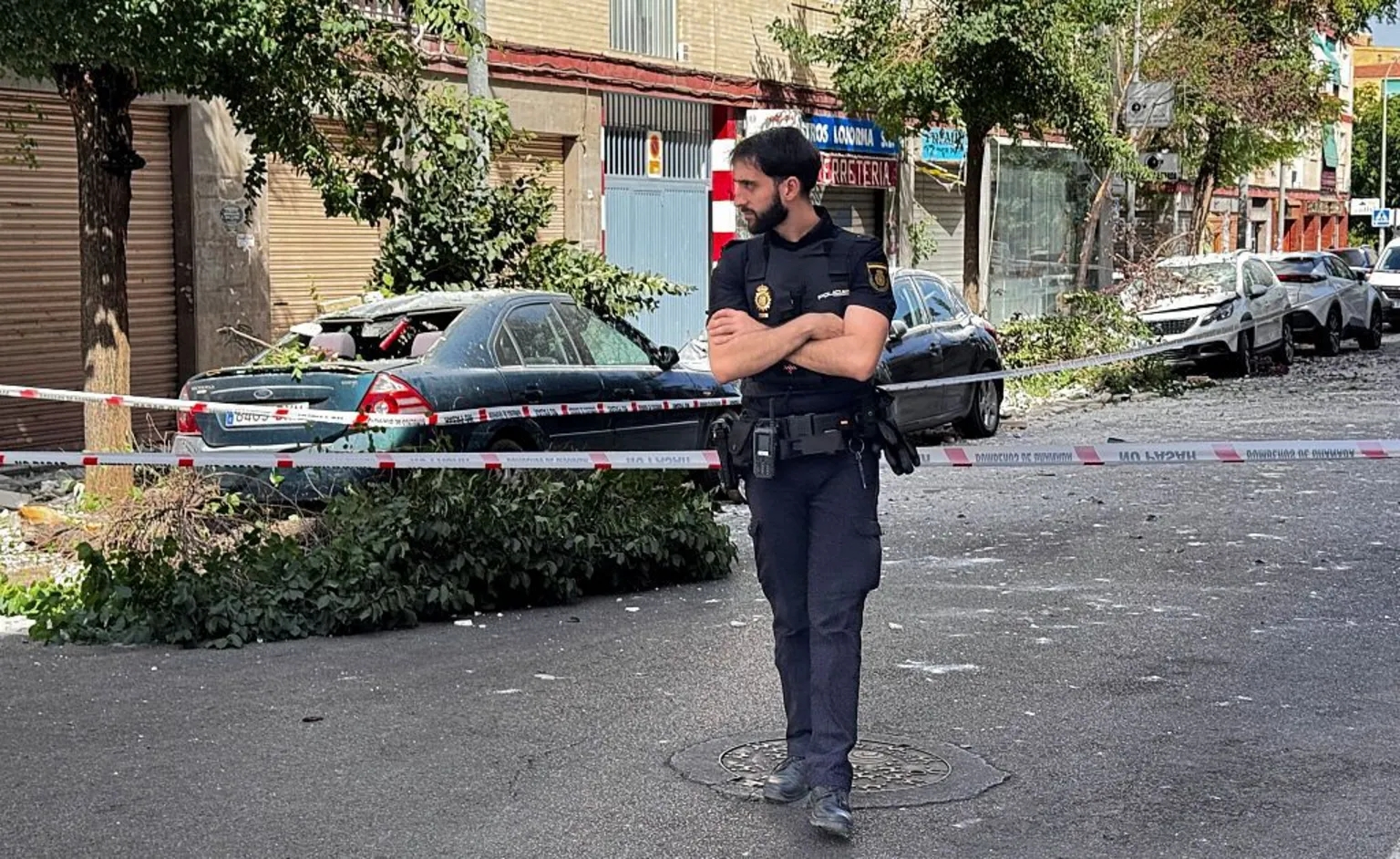
Spain has threatened to impose counter-measures on Italy if it fails to lift border controls introduced following the mass crossing of migrants into the Spanish exclave of Ceuta.
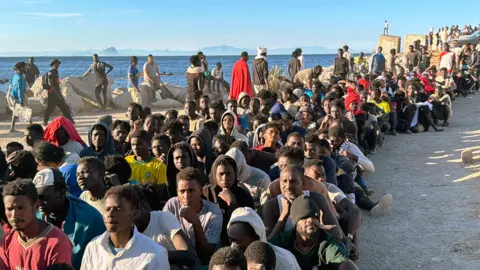
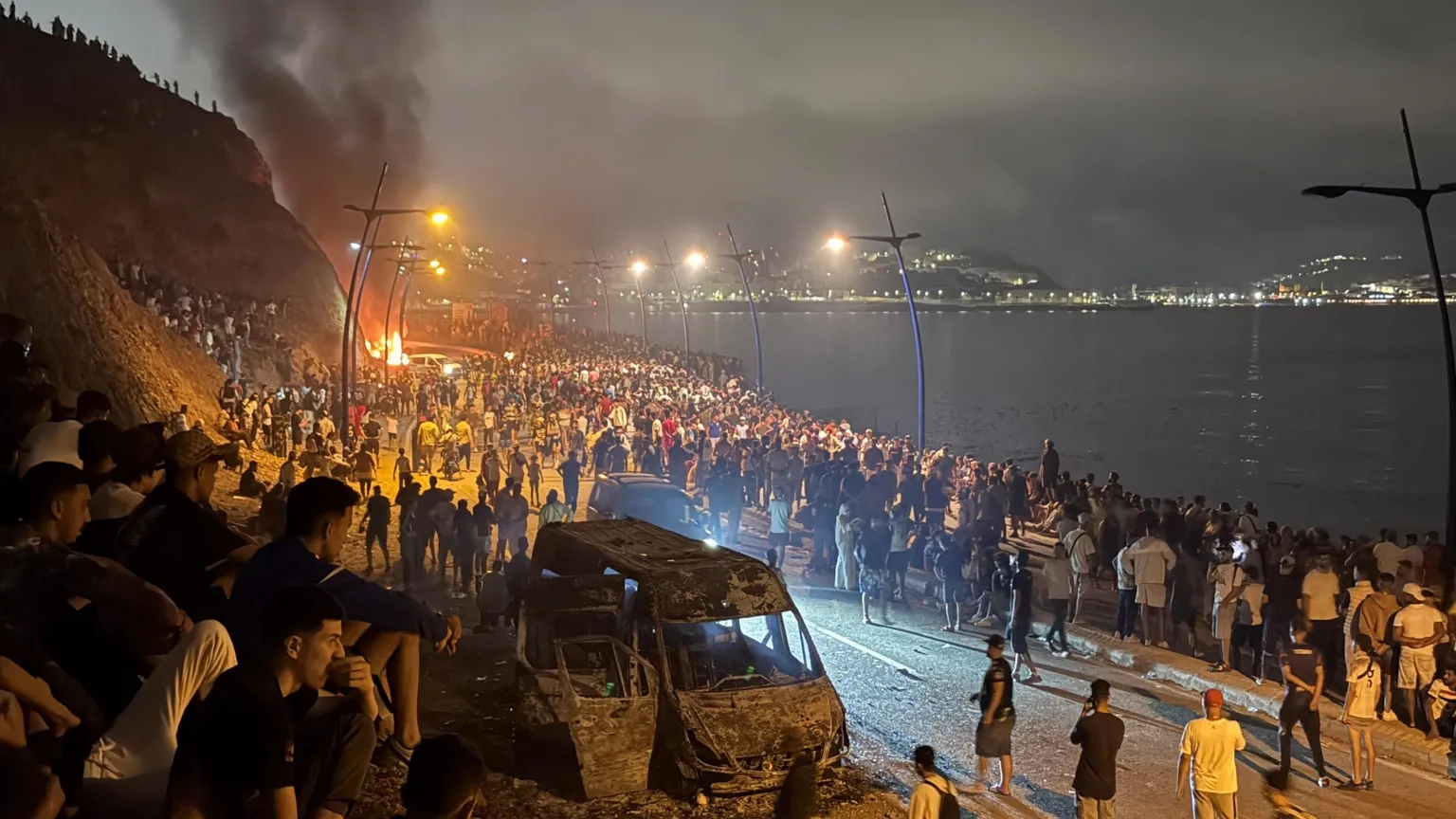
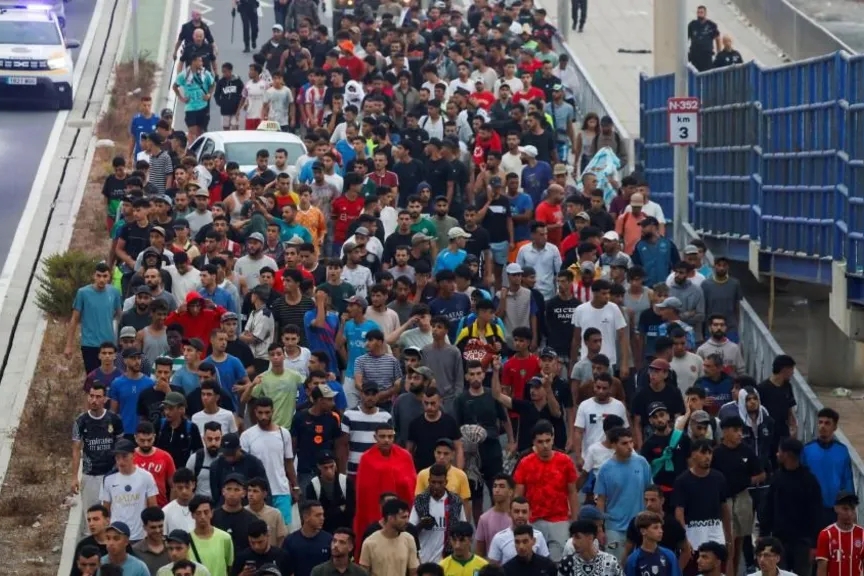
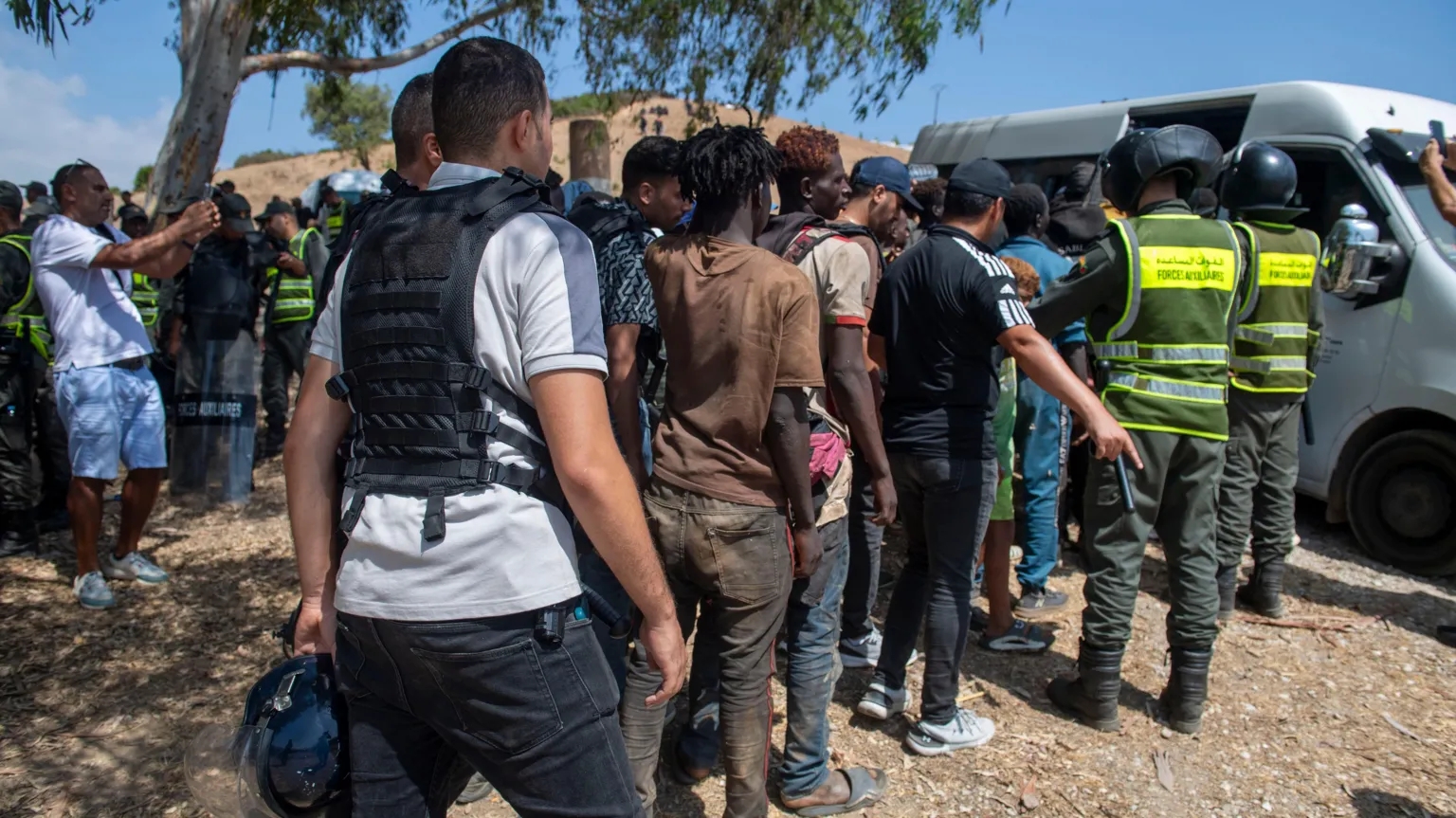
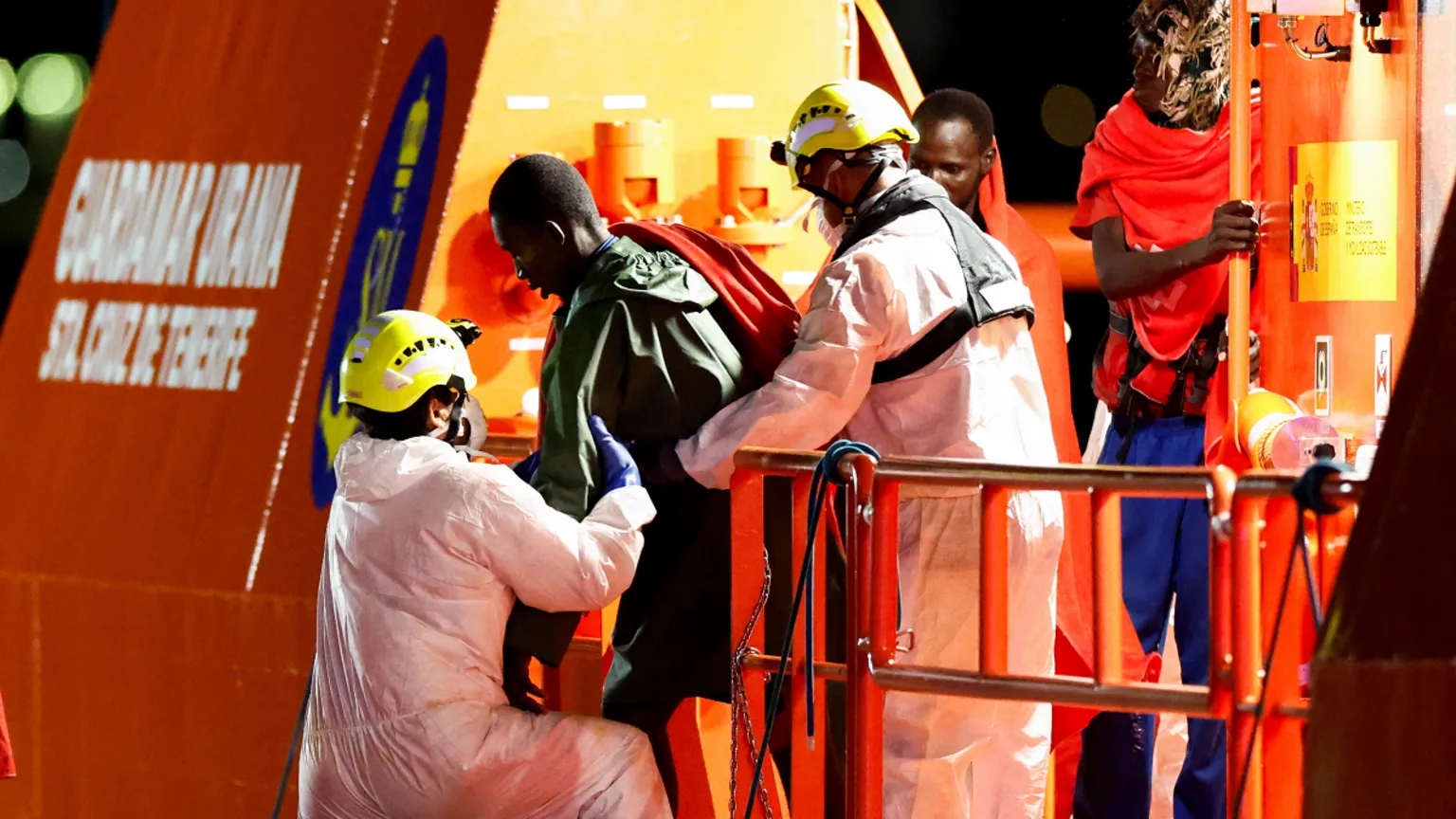
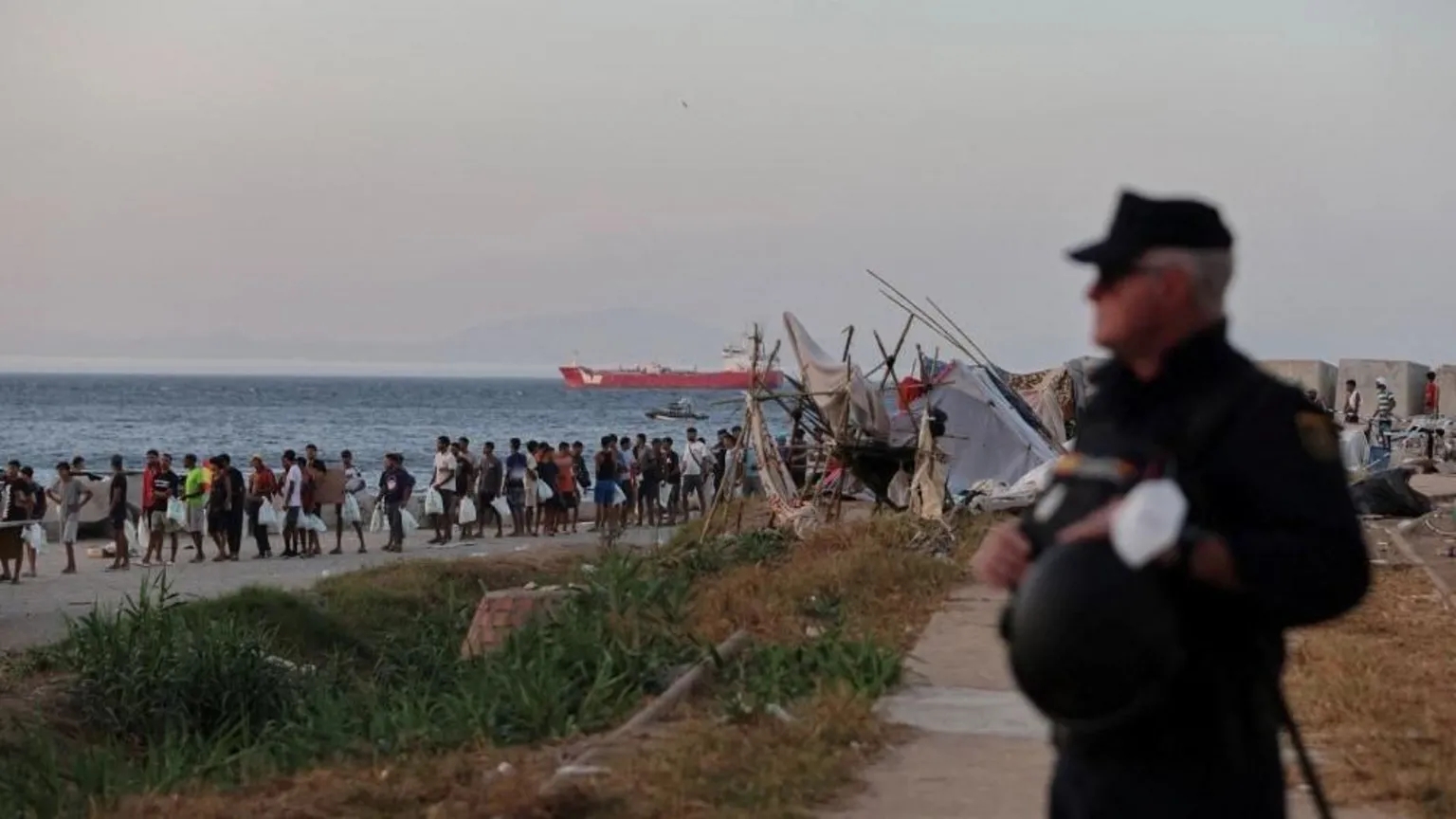
Roughly 78,000 migrants from neighbouring Morocco arrived in Ceuta by sea in a matter of hours on Thursday and Friday last week.
In the wake of the crossings, which saw around 100 people die, Italy partially suspended its Schengen arrangement with Spain, which included the closure of maritime and air entry points as well as the reinforcement of land border controls.
On Friday, Spain called the move "unjustified" and "discriminatory against the Spanish population" and demanded it be reversed by Sunday 9 August.
It added it would introduce "proportionate measures to protect the interests and dignity of its citizens" if Italy failed to reverse its decision.
The statement did not specify what these reprisals would be.
Italy promptly responded to Spain's warning, saying it would not accept "ultimatums or impositions" from Madrid and that it plans to keep border checks in place until at least 15 August - when it says Spain "expects a new wave of migration" to hit Ceuta.
Spain has not announced an anticipated second wave of crossings. Reports have been fuelled by social media activity by Moroccan users planning another attempt, El Pais reports.
The Spanish prime minister's office told the newspaper they were monitoring the situation but did not expect a repeat of scenes from last week.
Italy, which does not share a land border with Spain, said its decision to partially suspend the EU's border-free Schengen arrangements was to prevent any of the migrants who had entered Ceuta from travelling on to Italy.
Madrid dismissed this position, saying it was based on "spurious arguments" that lacked any basis in fact because the migrants who entered Ceuta had no way of entering the Schengen area. It added the vast majority of migrants have already returned to Morocco.
Last week's crossings marked a new low in relations between Spain's socialist leader Pedro Sanchez and Italy's conservative leader Giorgia Meloni - who has long called for stricter migration rules in the EU.
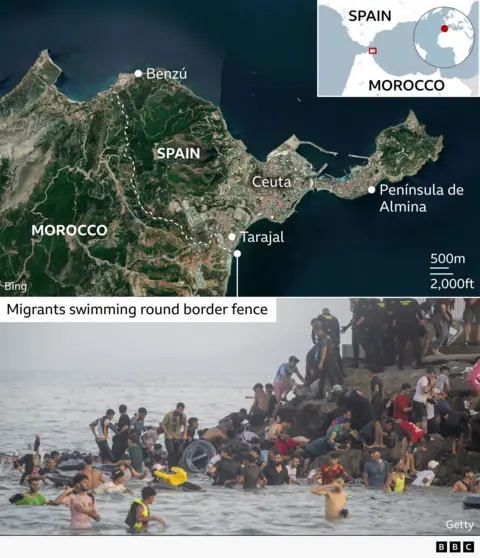
It remains unclear exactly why tens of thousands of migrants attempted to cross into Ceuta, but the EU's Migration Commissioner Magnus Brunner has suggested criminal networks spreading disinformation were to blame - an assertion the Spanish government has agreed with.
The crossings came after Spain's Supreme Court ruled that migrants stopped at sea while trying to reach Ceuta or Melilla cannot be summarily returned to Morocco.
Morocco, for its part, has laid blame for the crisis on the court, with an unnamed government source briefing local outlets that "the deterrent element of the system collapsed and the dam gave way, not under the weight of the criminals, but of a judge's decision".
The number of people swimming to Ceuta at once has raised questions about why Morocco's border guards did not attempt to stop them.
Nearly 1,400 minors, some of them "very young boys and girls", still remain in Ceuta following last week's crossings, Spanish Youth Minister Sira Rego said on Friday.
She added: "There was a situation in which the system was overwhelmed, but it is now being brought under control. It is true that there are many boys and girls, and the procedure takes time.
"We wanted to make clear that we have prioritized the most vulnerable cases."
The two exclaves have long been a bone of diplomatic contention between Spain and Morocco, which does not recognise Spanish sovereignty over them.
The Ceuta crossings have also caused a diplomatic rift among EU nations that share open borders as part of the Schengen area.
Italy's decision to suspend its agreement was backed by Finland and Denmark, while the Czech Republic called for Spain's membership to be temporarily suspended.
Italian officials have said local authorities carrying out checks do "everything possible" to ensure maximum comfort for both Spanish and other European citizens arriving in Italy from Spain.
Rome has also reiterated that Spanish citizens are exempt from additional checks when arriving in Italy, with these extra steps only for non-EU residents.
However, El Pais reported that several airport terminals have seen long queues and waiting times in recent days, with passengers arriving from Spain directed to a specific line for checks.
Temporary suspensions of the Schengen agreement are not unprecedented. Italy also maintains controls on its border with Slovenia.
SOURCE/AUTHOR : BBC NEWS/Henry Moore
Venues











'I will never let your legacy die' - Charlie Kirk's widow gives tearful address after shooting






One hellscape to another: Gazans tell of dire conditions in Israeli-declared humanitarian zone


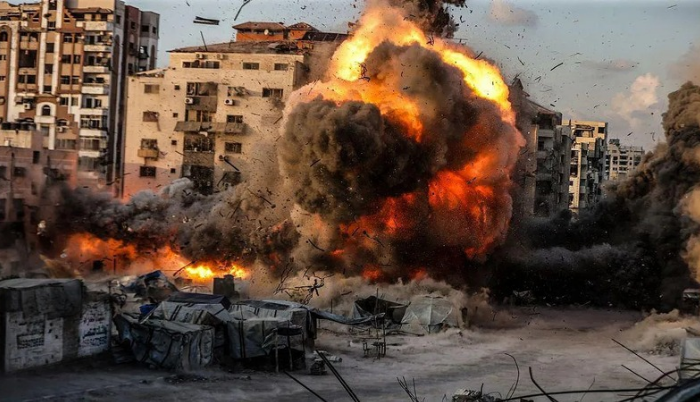
Israeli forces near Gaza City centre as Hamas reportedly prepares for street-to-street fighting











Soldiers threaten to seize state TV in Madagascar, presidency says, amid warnings of coup attempt


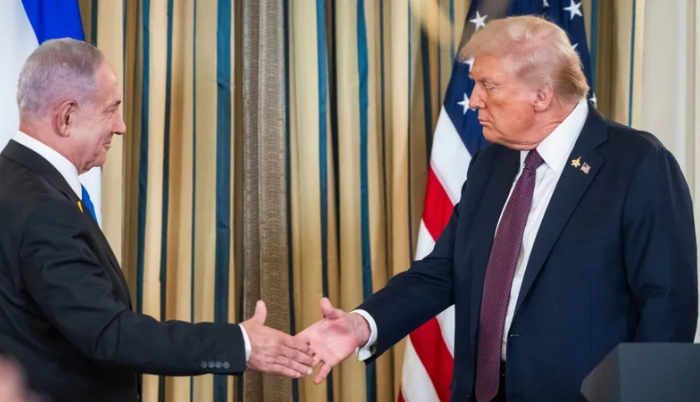
Israeli hostages and Palestinian detainees freed as Trump hails 'historic dawn' in Middle East


Israeli military's top lawyer resigns over leak of video allegedly showing abuse of Palestinian detainee





Israeli military's ex-top lawyer arrested over leak of video allegedly showing Palestinian detainee abuse




Bondi gunmen threw explosives at start of attack and practised shooting weeks before, police allege









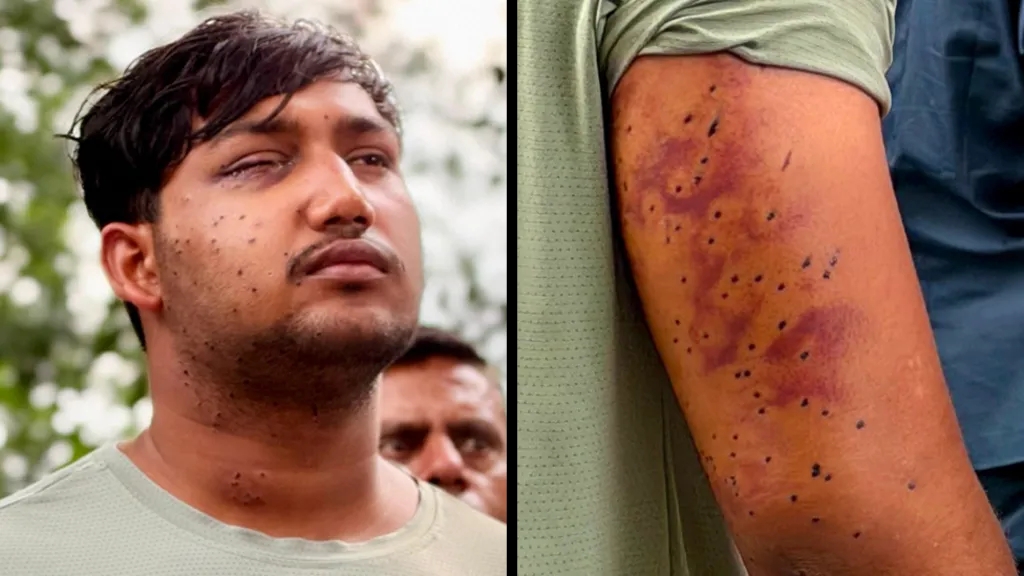
CJP protest: India's 'Cockroach' protesters have wounds consistent with pellet-gun fire, experts say




Iran says it is in talks with Oman but not the US after Trump says negotiations to resume







Ethiopia's Addis Standard: Editor of top independent news site seized by police, publisher says






















Israel confirms soldiers fired at car in which Hind Rajab was killed and opens criminal investigation




UK, Canada and Australia condemn Israel for refusing criminal probe into aid worker killings in Gaza



Iran faces 'greatest financial offensive ever', says US Treasury Secretary Scott Bessent




Chinese-Eswatini relations: China advises its citizens to leave Taiwan ally over security risks










Iran says US strike killed four at wedding in 'war crime' as US denies targeting civilians


















Russia hits Ukrainian train shortly after Boris Johnson and top European officials leave station













Comments (0)
No comments yet. Be the first to comment!
Leave a Comment