

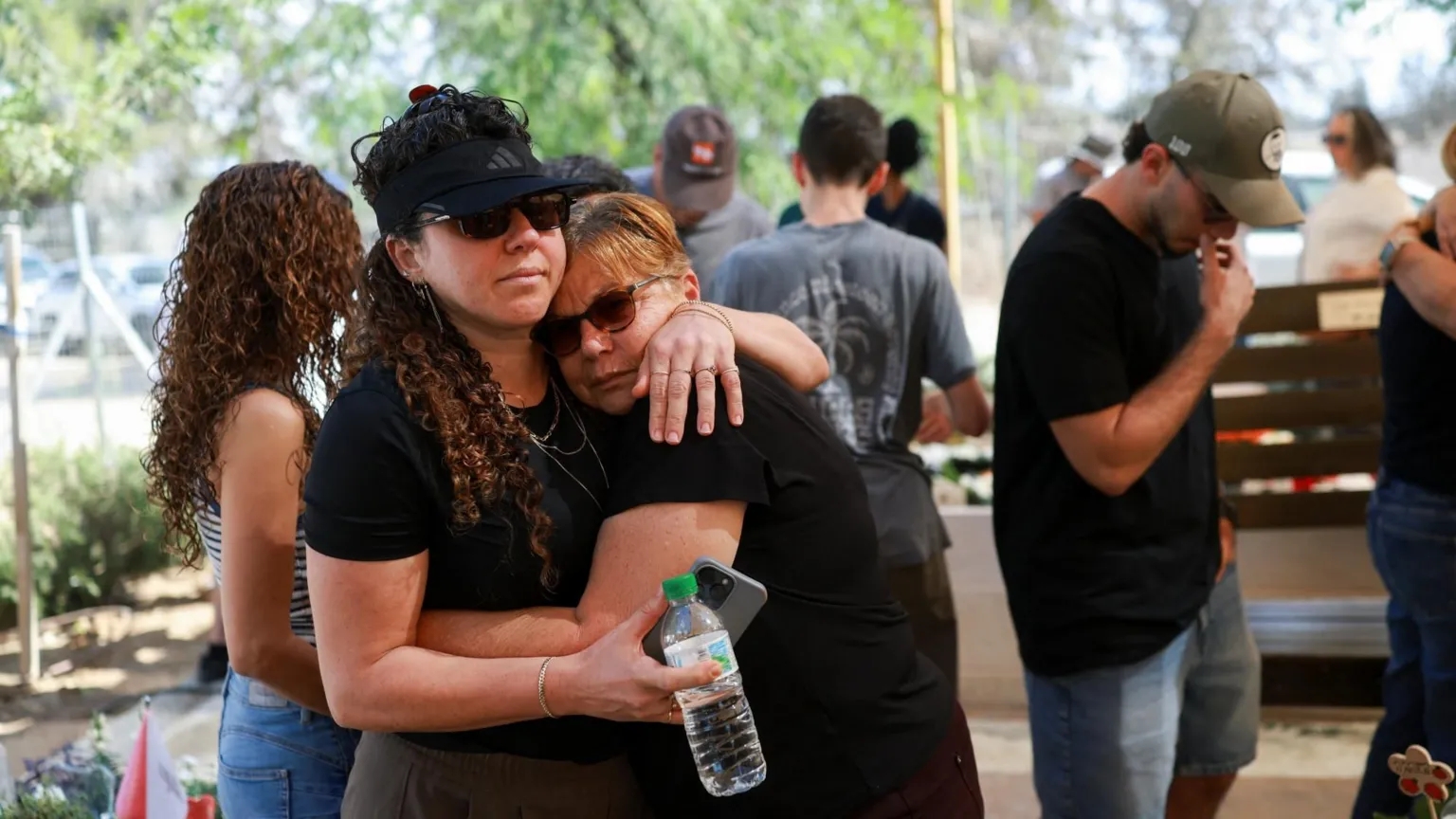
"What we are going to do, I have no idea," sobs Nokwanda Matshikiza, reflecting on the murder of her niece Dineo Motapane. "But something must give."
"For us, for all the other women. How many other bodies will be found before something happens?"
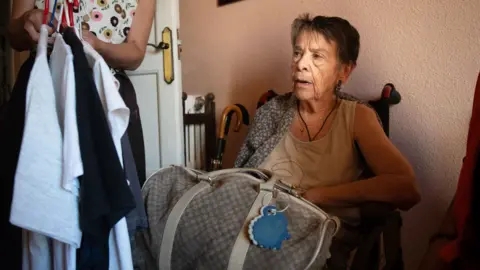
Nokwanda is speaking to the BBC from the family home near South Africa's main city, Johannesburg, just two days after relatives identified Dineo's body.
The 38-year-old mother-of-two was last seen alive on Sunday. Her battered and partly burned body was later found in the residential region of Ekurhuleni.
Nokwanda weeps as she describes how the family will have to face, at some point, the grim task of telling Dineo's daughter of her death.
"How do you explain that your parent was brutally murdered, dumped in a field, and just left there, discarded like a piece of rubbish.
"There's no coming to peace with it," she adds. "It's something that you can never reconcile yourself with, that you can never get over."
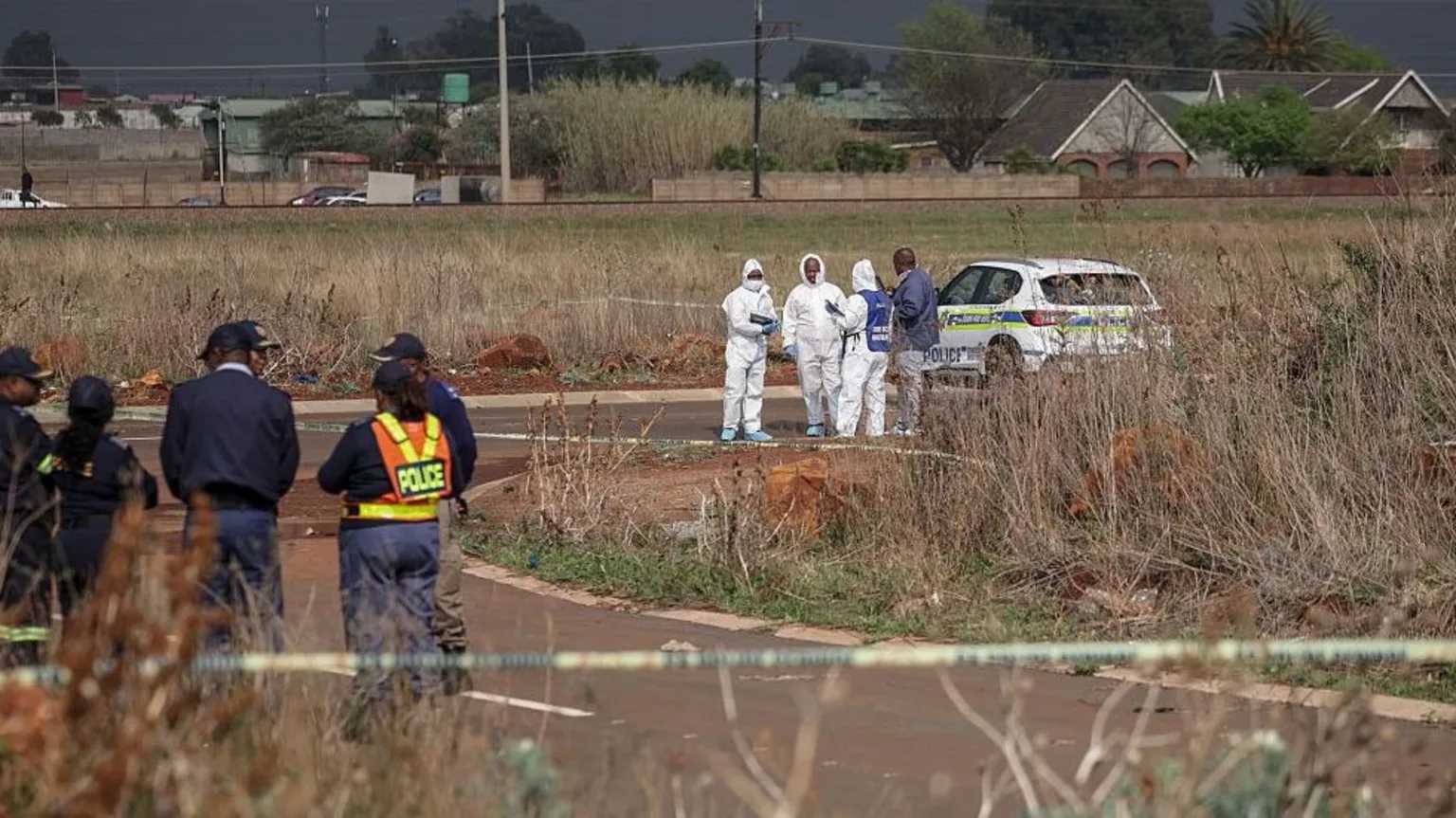
Dineo's death this week has come amid a series of comparable incidents in Ekurhuleni – her body one of three discovered there this week. In total, nine bodies of murdered women have been found in similar circumstances in the region since July.
The problem has always been there but this spate of grim discoveries has once again sparked a national outcry about the scale of violence against women in the country – which has one of the highest rates of gender-based violence in the world.
 Dineo Motapane
Themba Kekana is also living in shock at the death of a loved one.
His sister, Itumeleng, was one of the first to disappear in Ekurhuleni.
The 32-year-old shopkeeper's body was found in July, 17 days after she was last seen alive. Her body was badly bruised, partially clothed and dumped on a bridge.
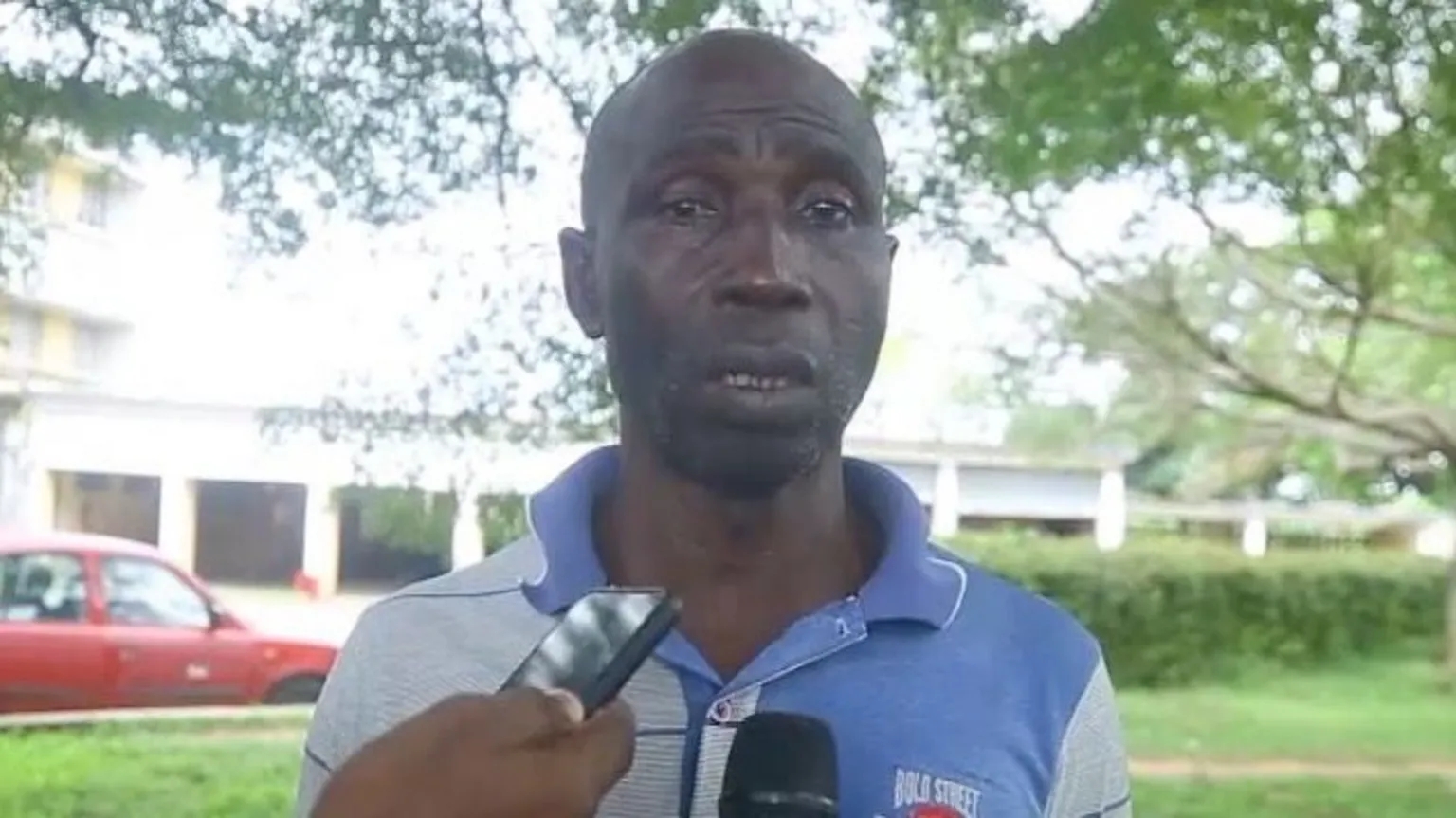
"We are devastated with grief," says Themba, wet eyes shining.
Only one arrest has been made in connection with the murders – and that was two days after the first body was discovered on 15 July.
Nobody has been detained following the murders of Itumeleng or Dineo or the other six Ekurhuleni women.
 Kekana family
Most of the victims were young, in their 20s or 30s, and almost all had suffered extreme violence before their deaths.
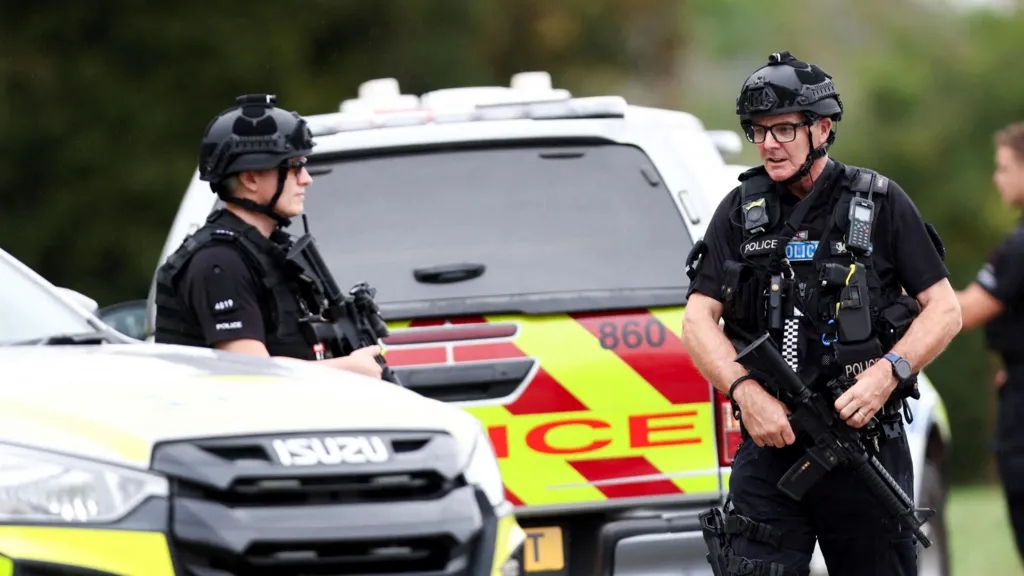
Police have said they are not sure if they are hunting a serial killer. It is possible the cases are not linked.
Either way, what has happened in this residential district east of South Africa's biggest city has traumatised the nation, shining a spotlight on a situation that many believe is a crisis.
South Africa's police issue detailed crime statistics every quarter, which show that between April and June this year - 5,427 people were murdered.
The official data does not distinguish between the genders of the victims, but this week the country's Human Rights Commission released figures showing that 569 women had been killed in that period (six a day on average), with another 1,052 who faced attempted murder.
Many women - already feeling unsafe - have been left reeling by recent events.
And it has put pressure on the government, less than a year after ministers acknowledged the scale of the issue and declared gender-based violence a national disaster.

Announcing the move last November, Minister of Social Development Nokuzola Sisisi Tolashe said that treating the issue as a national disaster would help the government tackle the crisis.
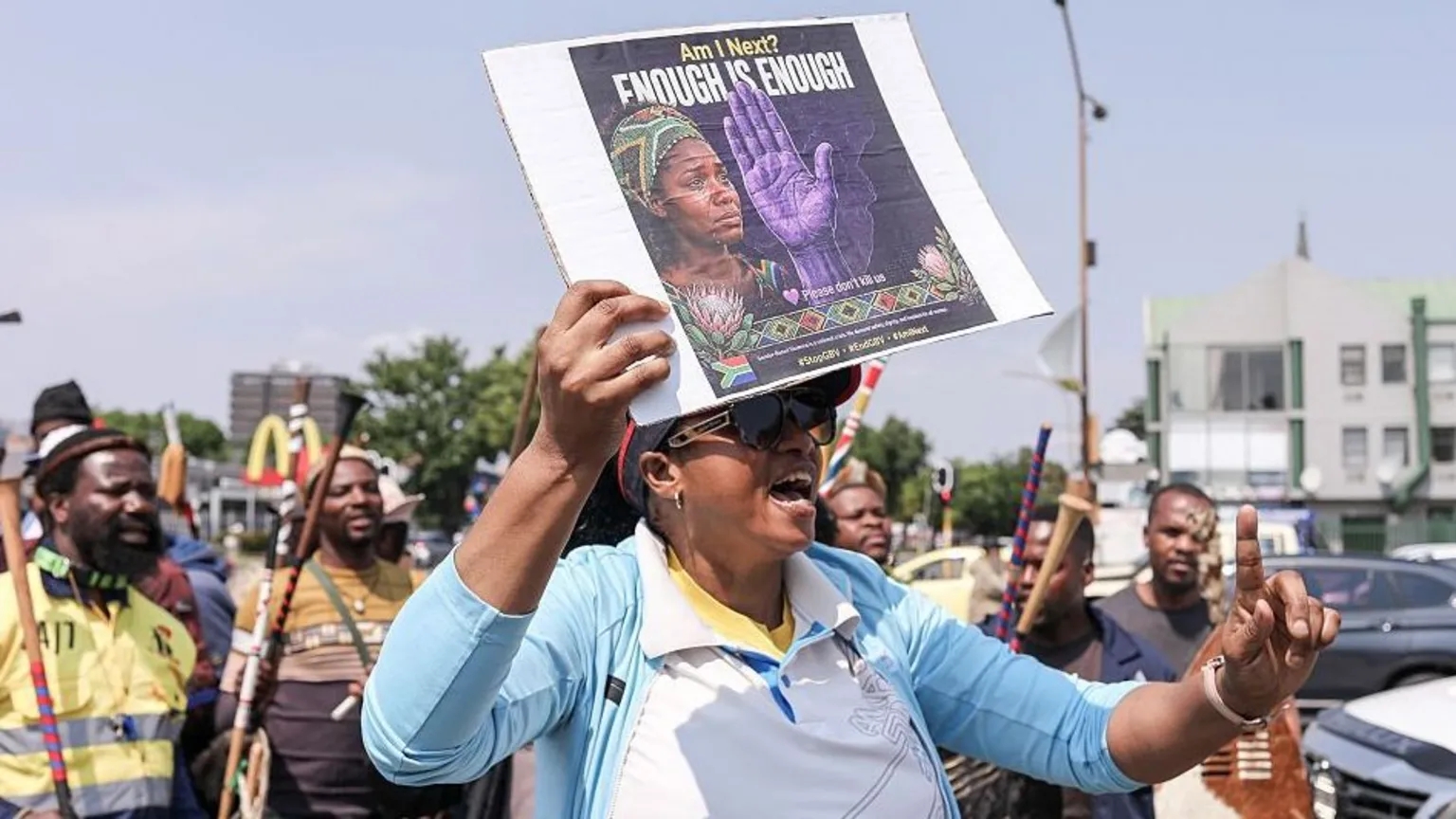
It followed weeks of protests, culminating in a "Women's Shut Down" march as South Africa hosted the G20 summit.
This week has seen a chorus of calls for things to go further.
Rights group Amnesty International said an important first step towards protecting South Africa's women was to recognise femicide as a separate crime.
"Every day that femicide remains unrecognised as a crime is a failure to confront the targeted killing of women," said Amnesty's country director Shenilla Mohamed in a statement. "It is time to call it what it is: Femicide.
"Femicide is a gender-motivated crime. It is the killing of a woman because she is a woman."
Amnesty says femicide is criminalised as a specific crime in 33 countries, including Gabon and Morocco in Africa.
It argues that making that change in South Africa could help focus on the scale of the issue.
"It would compel the state to confront their failure to protect women and girls from violence," says Mohamed. "You cannot fix what you are not tracking."
Almost everyone in South Africa agrees more needs to be done.
President Cyril Ramaphosa this week pledged to leave "no stone unturned" in investigating the crimes in Ekurhuleni, adding: "As a nation, we must stand up for the rights, safety and dignity of women and girls."
 AFP via Getty Images
Lebogang Ramafoko, an advocate for gender and social justice, said the levels of violence against women in the country were symptomatic of a much bigger problem – a lack of regard for humanity.
"The bodies of black women have been treated as disposable in this country for time immemorial, passed down from colonisation through to apartheid," she tells the BBC, referring to the legalised system of racism that was in place until 1994.
"What we see happening to women is testimony to legacies of violence from those systems whose traumas were never addressed.
"This is not to say black men are inherently violent, but in systems where violence was meted out against them for decades, historically black women were the people that that violence would be taken out on - that cycle has not been broken."
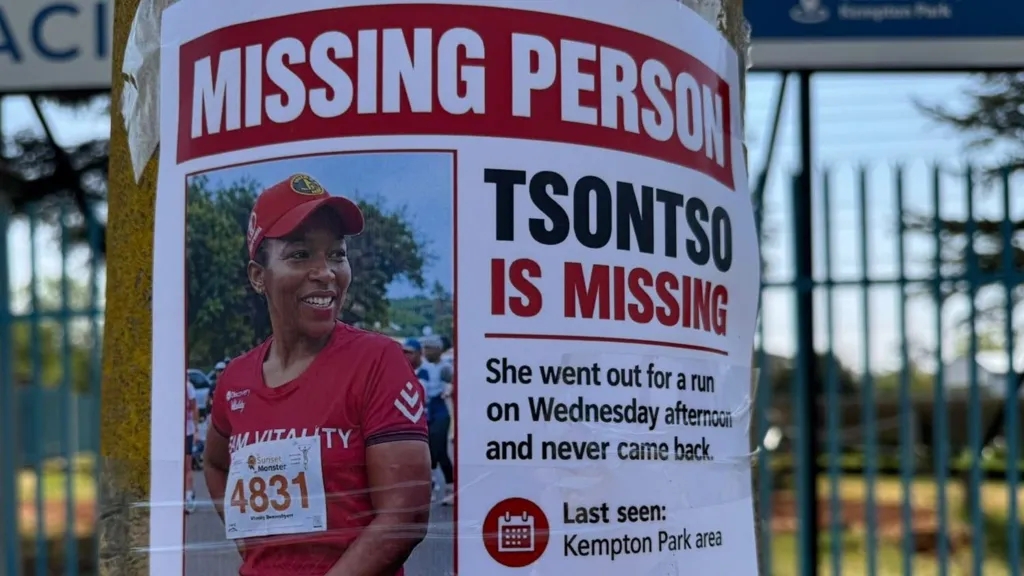
In Kempton Park, a district of Ekurhuleni where five of the nine recent bodies were found, Lumka Maqhubela is part of the Girl2Woman Foundation group which has held protests to raise awareness of the crimes.
"We are grieved, we are scared," she says. "If the police cannot protect us any more the government should step in and do something.
"It's clear that we are not safe, we cannot be told by the police to be more vigilant. They should be doing more to make our communities safe – what else are we expected to do? We are not safe anywhere, not in our homes, not in the streets, it needs to stop."
"I feel uncomfortable," says Thulisile Sibande, 32. "When I go to a shop, I have to look around. I'm shocked and scared. So scared, it's a trauma."
Thembi Mabena, 60, tells the BBC she lived in the same neighbourhood as Dineo Motapane.
"She was laughing every day, with everybody," she remembers. "Now I'm worried.
"I know many children, girls, who tell me they are afraid to go to the shop alone. There is no safety, even for me too. I am old, but there is no safety."
"In South Africa," says Lerato Mzizi, 20, simply, "women are not safe any more."
SOURCE/AUTHOR : BBC NEWS/
Venues








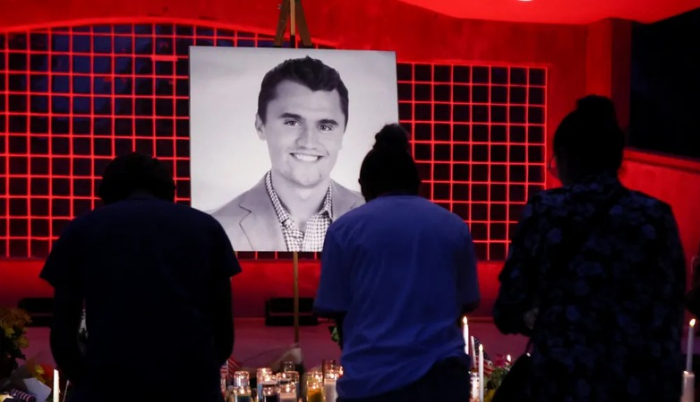


'I will never let your legacy die' - Charlie Kirk's widow gives tearful address after shooting






One hellscape to another: Gazans tell of dire conditions in Israeli-declared humanitarian zone


Israeli forces near Gaza City centre as Hamas reportedly prepares for street-to-street fighting





Soldiers threaten to seize state TV in Madagascar, presidency says, amid warnings of coup attempt


Israeli hostages and Palestinian detainees freed as Trump hails 'historic dawn' in Middle East


Israeli military's top lawyer resigns over leak of video allegedly showing abuse of Palestinian detainee





Israeli military's ex-top lawyer arrested over leak of video allegedly showing Palestinian detainee abuse





Bondi gunmen threw explosives at start of attack and practised shooting weeks before, police allege


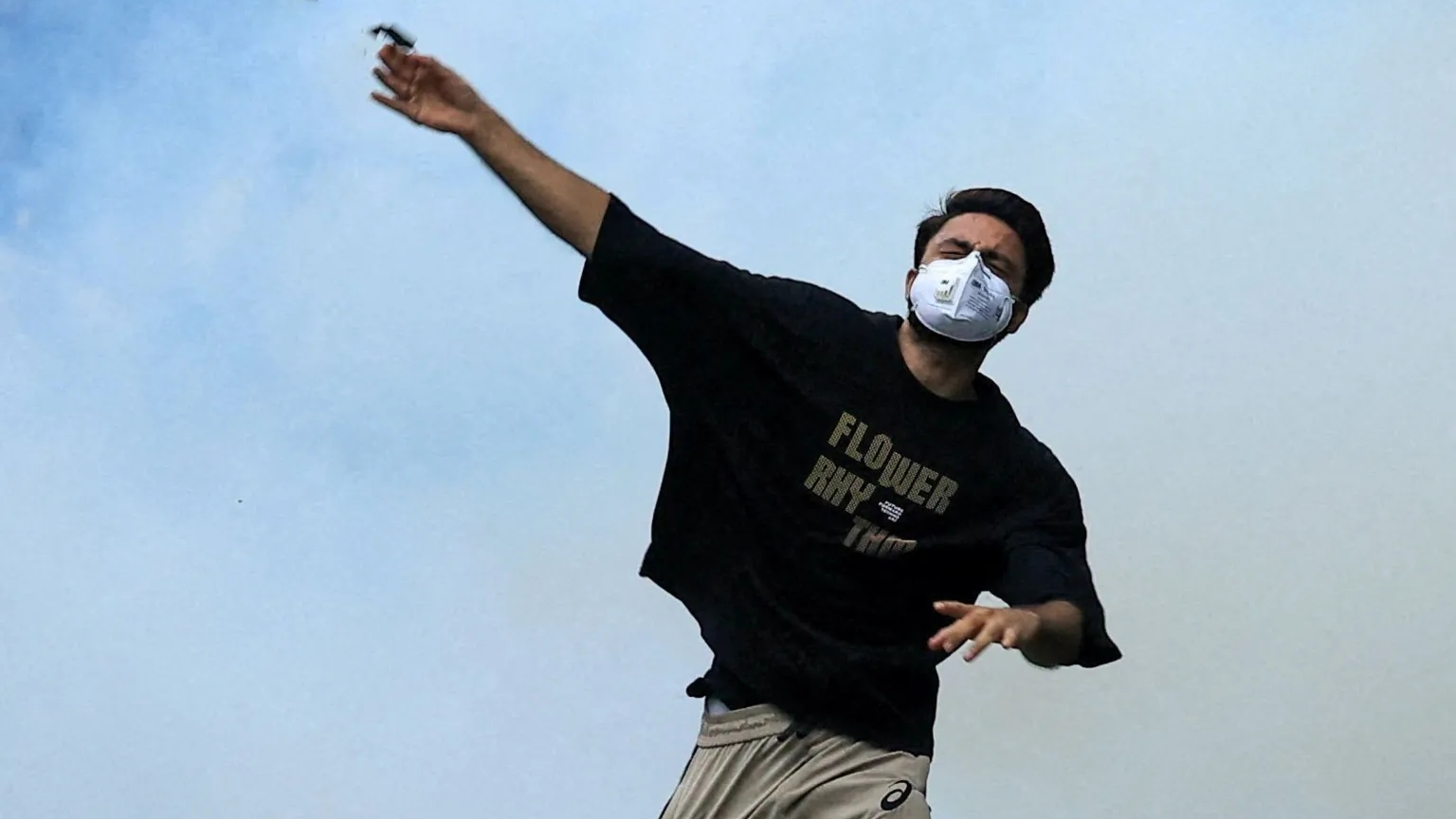





CJP protest: India's 'Cockroach' protesters have wounds consistent with pellet-gun fire, experts say






Iran says it is in talks with Oman but not the US after Trump says negotiations to resume






Ethiopia's Addis Standard: Editor of top independent news site seized by police, publisher says
























Israel confirms soldiers fired at car in which Hind Rajab was killed and opens criminal investigation



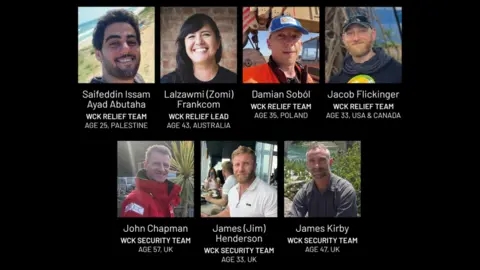
UK, Canada and Australia condemn Israel for refusing criminal probe into aid worker killings in Gaza


Iran faces 'greatest financial offensive ever', says US Treasury Secretary Scott Bessent


Chinese-Eswatini relations: China advises its citizens to leave Taiwan ally over security risks










Iran says US strike killed four at wedding in 'war crime' as US denies targeting civilians



















Russia hits Ukrainian train shortly after Boris Johnson and top European officials leave station





German state elections: Chancellor Friedrich Merz vows to stay on despite 'disaster' in polls



Trump threatens to 'annihilate' Iran in UN speech as officials from both countries meet on sidelines


Russia-Ukraine war: Moscow targeting 'ordinary life' with attacks on data centres, Zelensky says




















Comments (0)
No comments yet. Be the first to comment!
Leave a Comment