
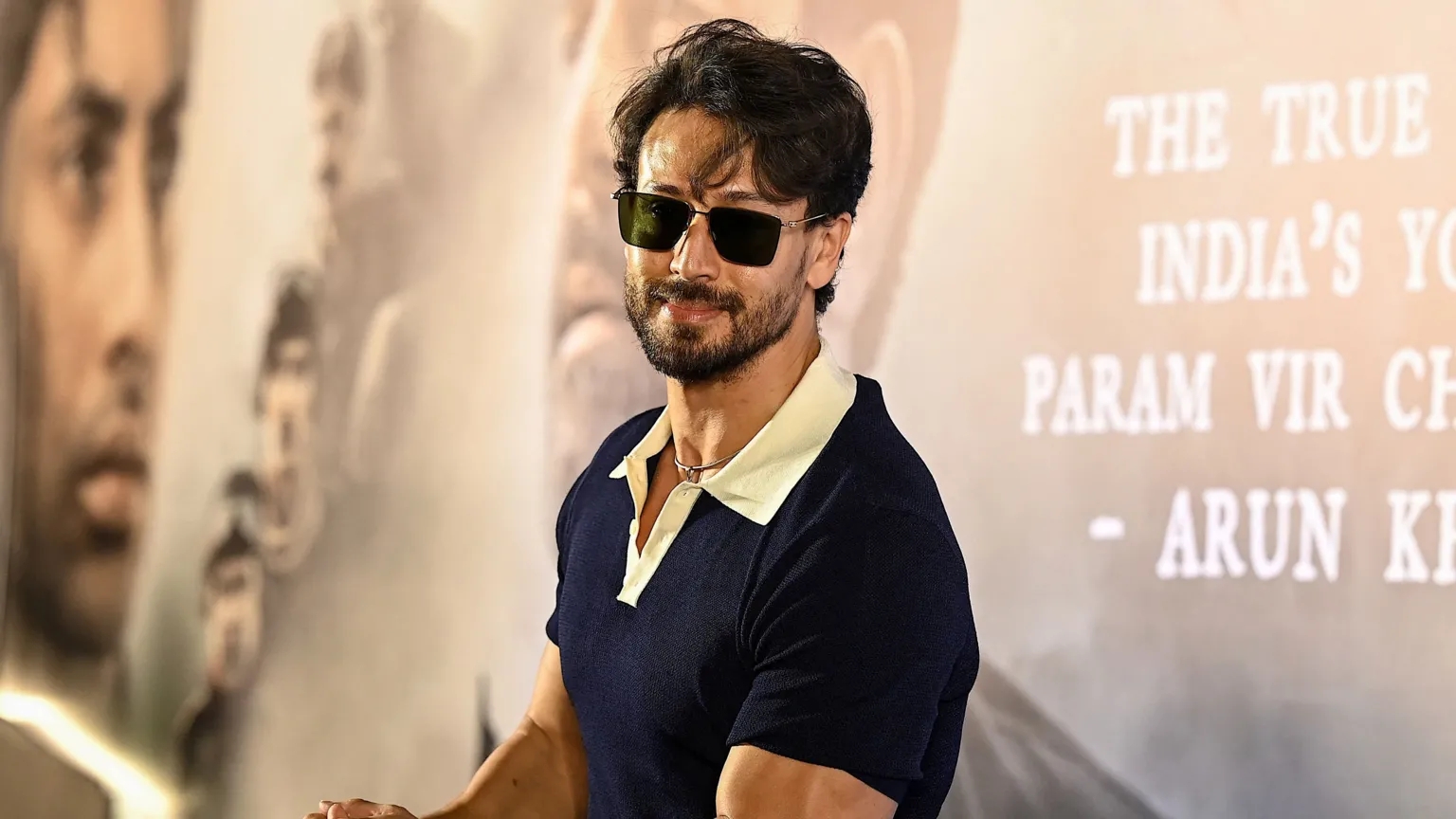

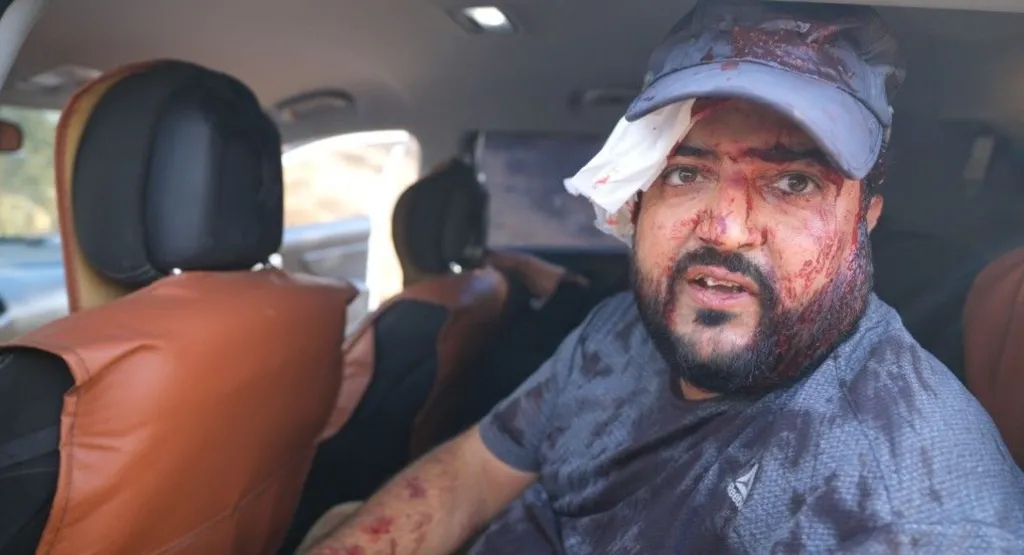
On Sunday evening, Bollywood actor Tiger Shroff went to play football in Juhu, a leafy, affluent Mumbai neighbourhood where film stars live, fans congregate and celebrity sightings are a part of life. But as the 36-year-old was leaving the ground in his BMW, shots rang out. His driver was wounded, as was a vlogger who had come to film the actor.
Shroff, whose films usually include elaborate action sequences and choreographed escapes, had just survived an actual shooting attempt.
Four days later, the case still dominates headlines in India, with each new revelation spawning fresh theories, competing claims and a growing list of alleged conspiracies.
Police have detained or arrested 10 suspects, with investigators tracing alleged weapon deliveries through several states and examining payments made to the alleged attackers.
The attempted shooting has also brought the name of Lawrence Bishnoi, one of India's most notorious gangsters, back into the headlines. Soon after the attack, a screenshot of a social media post purportedly made by an alleged associate of the Bishnoi gang circulated online, claiming responsibility. A separate audio recording emerged in which a man identifying himself as Anil Pandit repeated the claim and said Shroff had been targeted over his alleged links to actor Salman Khan, who Bishnoi has been threatening for years.
Mumbai police have not verified the claims or established that the Bishnoi gang was behind the attempted shooting. Investigators are still trying to determine who ordered the attack and why.
The targeting of Shroff follows a series of threats and attacks involving prominent Bollywood figures, including gunfire outside Khan's home in 2024 and filmmaker Rohit Shetty's house earlier this year. Together, the incidents have revived fears about the reach of organised crime into the film industry, stirring memories of a darker era in Mumbai's history.
During the 1990s and early 2000s, the city's underworld exerted formidable influence over the film industry, financing productions, demanding protection money and sometimes using violence to enforce its demands. It took years of police operations, and the gradual arrival of institutional financing, to loosen that grip.
AdChoices
ADVERTISING
Now, as fresh allegations and theories emerge almost daily, a question that once seemed to belong to Mumbai's past has returned: is the underworld trying to control Bollywood again?
Those who confronted organised crime in Mumbai at its peak say the answer is not as straightforward as the attempt to shoot Shroff might suggest.
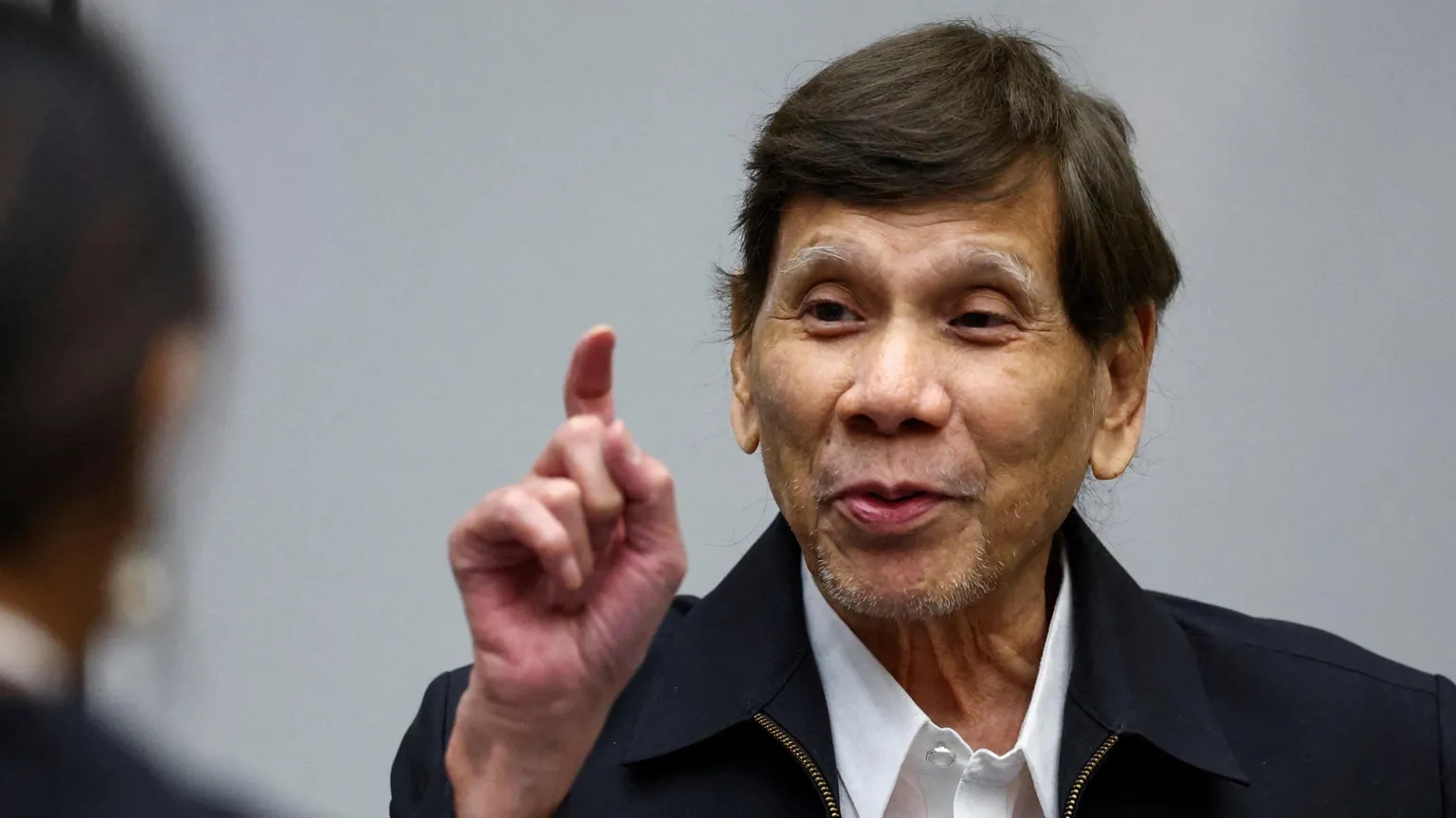
D Sivanandhan, who took charge of Mumbai's Crime Branch in 1998, remembers a time when a phone call from Dubai, where some of the most notorious gang leaders were based, could decide the fate of a film - who starred in it, financed it or profited from its distribution.
In an industry dependent on private money, the line between investor and extortionist could be perilously thin. And the threats were real. In 1997, music mogul Gulshan Kumar was shot dead outside a Mumbai temple. Three years later, filmmaker Rakesh Roshan survived an assassination attempt.
Sivanandhan investigated the financing of Chori Chori Chupke Chupke, a Salman Khan film whose producer and his assistant were each sentenced to six years in prison under Maharashtra's organised crime law for underworld links. The film's financier received a one-year sentence for withholding information about those links. Police seized the film's negatives, and its release eventually happened under court supervision.
Gangsters were not always imposing themselves on a reluctant industry. Some filmmakers willingly sought their money, Sivanandhan recalled, in arrangements that could benefit both sides and proved difficult for police to dismantle.
But Sivanandhan is reluctant to see the latest violence as a return of the mafia he once fought. The men he pursued - Dawood Ibrahim, Chhota Shakeel, Arun Gawli and others - belonged to criminal networks rooted in Mumbai, even when their leaders operated from abroad.
"This is not the Mumbai mafia which we know in the last 60 years," he said. "This is something else."
 Reuters
That something else has become inseparable from the name Lawrence Bishnoi. A gangster with roots in northern India who has been in jail for years, Bishnoi has acquired an aura of folkloric menace: a prisoner said to command gunmen across continents, his name invoked in threats and claims of responsibility that spread almost instantaneously online.
Bishnoi has publicly threatened Khan over a 1998 poaching case involving blackbucks, a species of antelope revered by the Bishnoi community. In April 2024, gunmen fired five rounds outside Khan's Mumbai home. Six months later, Baba Siddique, a politician close to Khan and other actors, was murdered. Mumbai police have linked both attacks to the Bishnoi gang, though they have not established any personal involvement by Lawrence Bishnoi in Siddique's killing.
Some allegations against his network are backed by police investigations; others remain untested. But the distinction between what the gang has demonstrably done and what is claimed in its name can become blurred in the public imagination, doing little to diminish Bishnoi's notoriety.
Rakesh Maria, a former Mumbai police commissioner, has cited Bishnoi as an example of a new generation of gangsters who are more technologically adept and internationally connected than their predecessors. "The old underworld was visible and territorial, but the new one is dispersed, fluid, making it harder to pin down," Maria told The Print last year. "They no longer need to reside in the city to command it."
 Getty Images
The relationship between gangsters and Bollywood has changed in another way, too, in who gets to shape their image.
In the 1990s, Bollywood itself helped turn Mumbai's feared underworld figures into objects of fascination. Films such as Satya (1998) and Company (2002) brought a gritty, visceral realism to their world, while Manoj Bajpayee's portrayal of gangster Bhiku Mhatre in Satya became, in the words of film scholar Ashvin Immanuel Devasundaram, "mythologised and talismanic".
The fear and fascination of that era were "seared into the collective consciousness", Devasundaram told the BBC.
Each new attack brings those memories back, he added. But today's gangsters no longer need cinema to build their mythology. Social media allows them to shape their own image, circulating threats, claims of responsibility and carefully staged photographs to audiences far beyond Mumbai.
After the latest shooting, police reportedly stepped up security outside the homes of Khan and Rohit Shetty. The All Indian Cine Workers Association demanded greater protection, asking: "Today it is Tiger Shroff. Who is next?"
There is little evidence so far that criminal networks have regained their former influence over Bollywood's finances and decisions. But the latest attacks have exposed a different vulnerability.
Gangsters may no longer need to control an industry to unsettle it. A single shooting attempt, amplified across millions of phone screens, can spread fear far beyond its intended target.
Sivanandhan, who spent years confronting Mumbai's gangsters, knows the limits of even the tightest security.
"There is always a crack in the armour," he said.
SOURCE/AUTHOR : BBC NEWS/Zoya MateenBBC News, Delhi
Venues










'I will never let your legacy die' - Charlie Kirk's widow gives tearful address after shooting







One hellscape to another: Gazans tell of dire conditions in Israeli-declared humanitarian zone



Israeli forces near Gaza City centre as Hamas reportedly prepares for street-to-street fighting











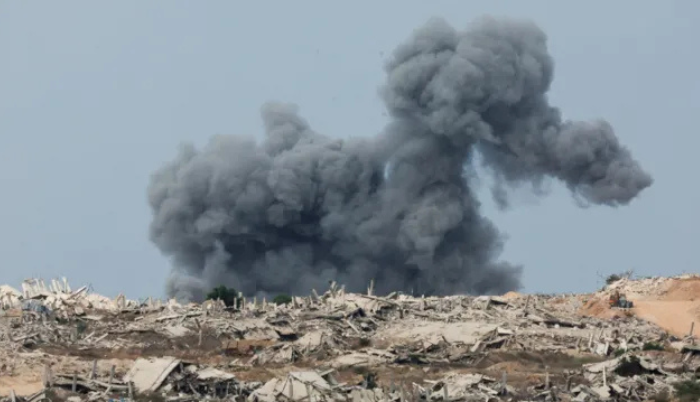


Soldiers threaten to seize state TV in Madagascar, presidency says, amid warnings of coup attempt


Israeli hostages and Palestinian detainees freed as Trump hails 'historic dawn' in Middle East


Israeli military's top lawyer resigns over leak of video allegedly showing abuse of Palestinian detainee







Israeli military's ex-top lawyer arrested over leak of video allegedly showing Palestinian detainee abuse




Bondi gunmen threw explosives at start of attack and practised shooting weeks before, police allege














CJP protest: India's 'Cockroach' protesters have wounds consistent with pellet-gun fire, experts say






Iran says it is in talks with Oman but not the US after Trump says negotiations to resume








Ethiopia's Addis Standard: Editor of top independent news site seized by police, publisher says





























Israel confirms soldiers fired at car in which Hind Rajab was killed and opens criminal investigation





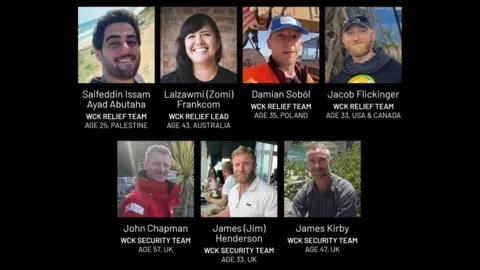
UK, Canada and Australia condemn Israel for refusing criminal probe into aid worker killings in Gaza



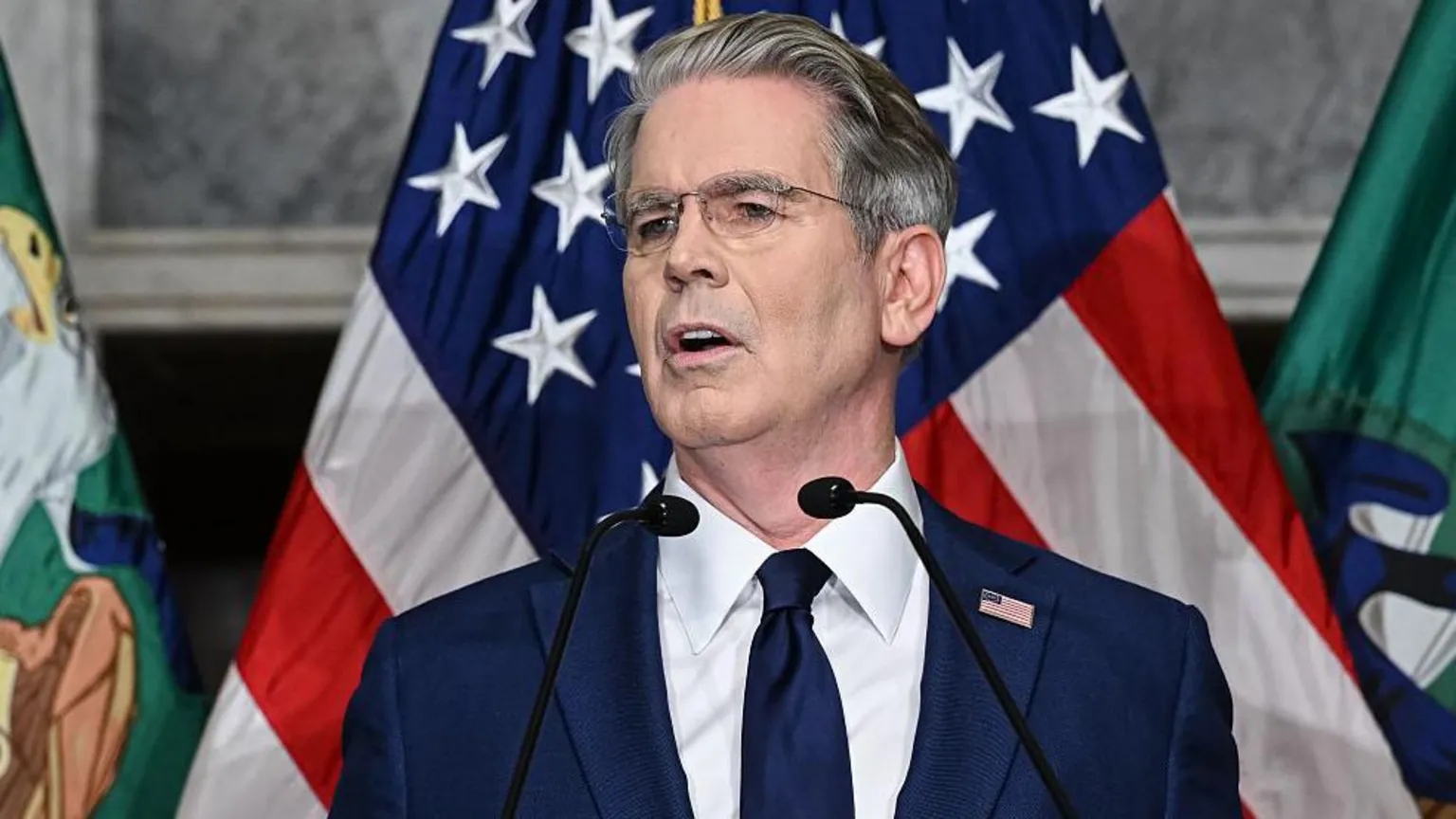
Iran faces 'greatest financial offensive ever', says US Treasury Secretary Scott Bessent




Chinese-Eswatini relations: China advises its citizens to leave Taiwan ally over security risks















Iran says US strike killed four at wedding in 'war crime' as US denies targeting civilians






















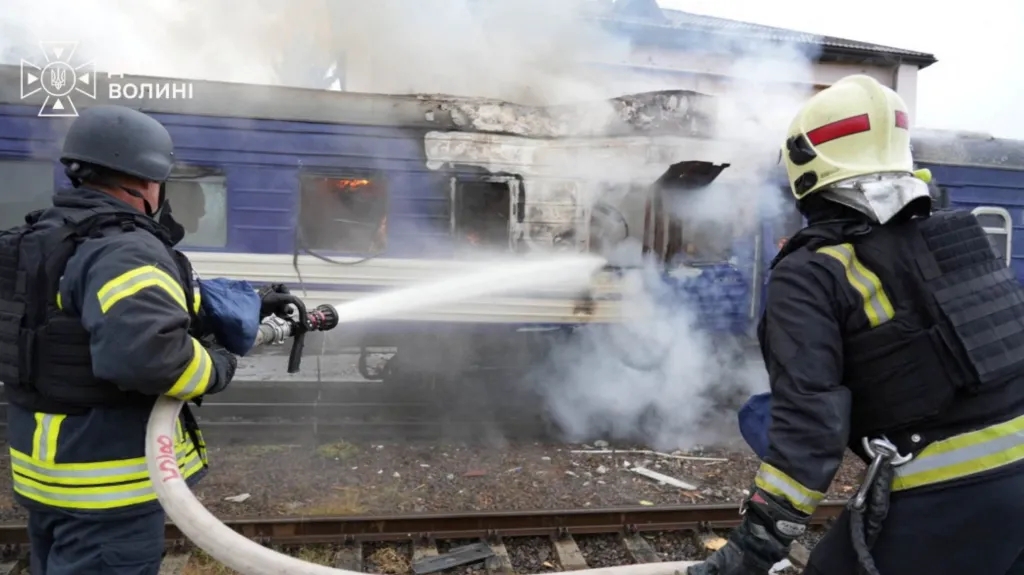
Russia hits Ukrainian train shortly after Boris Johnson and top European officials leave station












German state elections: Chancellor Friedrich Merz vows to stay on despite 'disaster' in polls


Trump threatens to 'annihilate' Iran in UN speech as officials from both countries meet on sidelines



Russia-Ukraine war: Moscow targeting 'ordinary life' with attacks on data centres, Zelensky says

















































Comments (0)
No comments yet. Be the first to comment!
Leave a Comment